Dealing with clogged drains and toilets is a frustrating household problem that can disrupt daily routines and lead to expensive plumbing repairs. However, with consistent care and mindful habits, you can reduce the risk of blockages in your home’s plumbing system. Whether you are facing a slow-draining sink or want to avoid emergencies in the future, practicing preventative maintenance will save you money and hassle. If issues do arise despite your best efforts, professional clogged drain repair can quickly restore your pipes to proper function.
Proactive measures, like installing drain guards or educating your household about what not to flush, are crucial for keeping drains running smoothly. A little attention can prevent stubborn buildups and keep your plumbing problem-free for years. Let’s explore key steps anyone can take to safeguard their drains and toilets from clogs.
Dispose of Grease and Food Scraps Properly
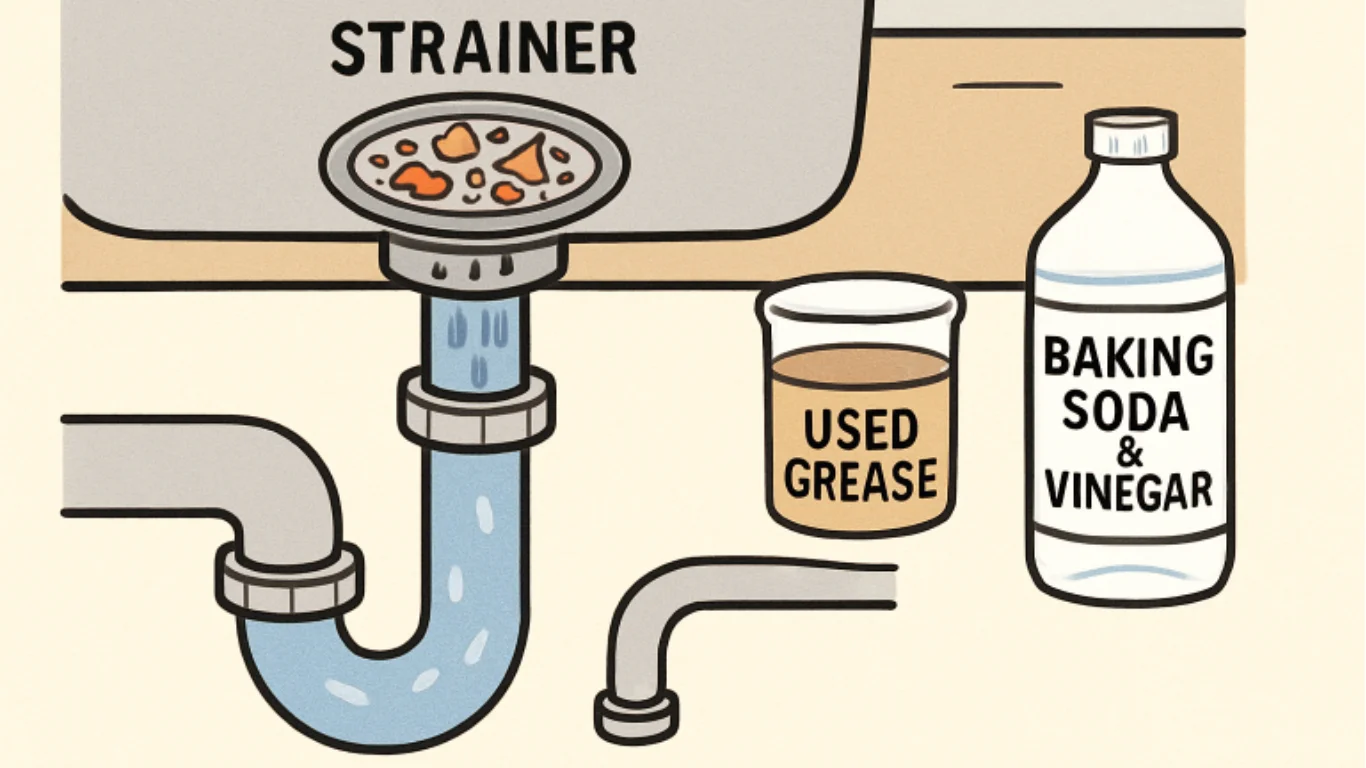
Grease may look harmless when hot, but it hardens quickly once cooled inside your pipes, creating dense blockages that water cannot penetrate. Instead of pouring grease down the sink, collect it in a heat-resistant container and throw it away with your regular garbage. Coffee grounds, potato peels, and fibrous food scraps are also common culprits of kitchen drain clogs. Even if you have a garbage disposal, not all food waste is suitable for grinding and flushing.
Install Drain Strainers
Bathroom sinks, tubs, and showers quickly collect hair, soap residue, and small debris that can gradually create stubborn clogs. By using inexpensive drain strainers or hair catchers, you block these materials before they make it into your plumbing system. Clean these strainers regularly to maximize their effectiveness and prevent buildup. Kitchen sinks can also benefit from strainers to catch larger food particles or utensils accidentally left in the sink. Small gadgets like this make a big difference in your ongoing battle against drain clogs.
Use Natural Drain Cleaners Regularly
While commercial drain cleaners may promise fast results, their harsh chemical ingredients can corrode pipes, damage the environment, and even worsen blockages over time. Instead, routine maintenance with natural solutions is both safe and effective. Pouring half a cup of baking soda followed by a cup of white vinegar down your drain, allowing the foam to work for 30 minutes, and then flushing it with hot water will help break up minor buildups and eliminate odors. This straightforward method is recommended by many plumbing professionals and home maintenance publications.
Avoid Flushing Non-Degradable Items
Many items labeled as “flushable” do not break down easily in water, unlike traditional toilet paper. Flushing baby wipes, paper towels, feminine hygiene products, or dental floss can quickly block pipes and cause backups. To keep your toilet running smoothly, only flush human waste and toilet paper. Everything else should go in the trash. According to Consumer Reports, improper flushing is one of the most common causes of costly toilet repairs and main sewer line issues.
Run Hot Water After Use
After washing dishes or using your kitchen sink, running hot water for 30 seconds helps dissolve any lingering oils or soap scum and moves small food particles down the pipes. This practice is especially helpful in preventing clogs created by slow, sticky buildup over time. In bathrooms, an occasional flush of hot water can also reduce the likelihood of clogs from soap residue and hair. Adopting the habit of running hot water after using your drains is a simple, effective way to enhance everyday drain care.
Schedule Professional Inspections
Even the most diligent homeowners sometimes miss early warning signs of plumbing problems. Regular inspections by a licensed plumber help spot potential trouble spots, like partial blockages or slow drains. Early detection can ward off larger issues, saving you the expense and inconvenience of serious repairs. Many plumbing professionals recommend yearly or bi-annual inspections, especially for older homes or properties with mature trees whose roots may invade sewer lines.
Educate Household Members
Everyone in your home should understand basic rules for drain and toilet care. Take time to explain which items belong in the trash and which can safely go down the drain or toilet. Simple visual reminders, such as a list near the bathroom, can help guests and children remember the do’s and don’ts of flushing and disposing of waste.
Conclusion
Preventing clogs is much easier and less stressful than dealing with a backup or overflow. With mindful habits—like careful waste disposal, using drain strainers, and regular maintenance—you can significantly reduce the likelihood of plumbing emergencies. Scheduling professional inspections and keeping everyone in your household informed ensures your drains and toilets remain in excellent condition. Taking these steps consistently will keep your plumbing running smoothly, saving you both time and money in the long run.