Water damage can occur suddenly and escalate rapidly if not handled promptly. Whether caused by a leaking pipe, roof seepage, or flooding, water intrusion can severely impact the structure and safety of a home. When moisture seeps into walls, floors, and ceilings, it weakens materials and fosters the growth of mold and mildew.
Acting quickly and efficiently can make a crucial difference between a simple fix and extensive, costly repairs. Understanding how to manage the situation properly can help preserve your property and ensure a safe environment.
In places like Olympia, Washington, where damp weather is common, dealing with moisture problems early is especially important. Learning the right steps to take immediately after noticing water intrusion can prevent damage from escalating and protect the long-term value of your home.
Understanding the Immediate Risks
Water damage can quickly turn from a minor inconvenience into a serious problem if not addressed right away. When water seeps into floors, walls, or furniture, it weakens materials and can compromise the entire structure of a home. Drywall may soften, wood can warp, and electrical systems exposed to moisture can become dangerous, increasing the risk of fire or electrical failure.
Taking swift action is essential to prevent lasting harm. Hiring professionals for water damage restoration in Olympia ensures that all types of water damage are handled efficiently, saving your home from further deterioration. With expert tools and proven techniques, professionals can remove excess moisture, restore affected areas, and help maintain the strength and safety of your property.
Turn Off the Source of Water
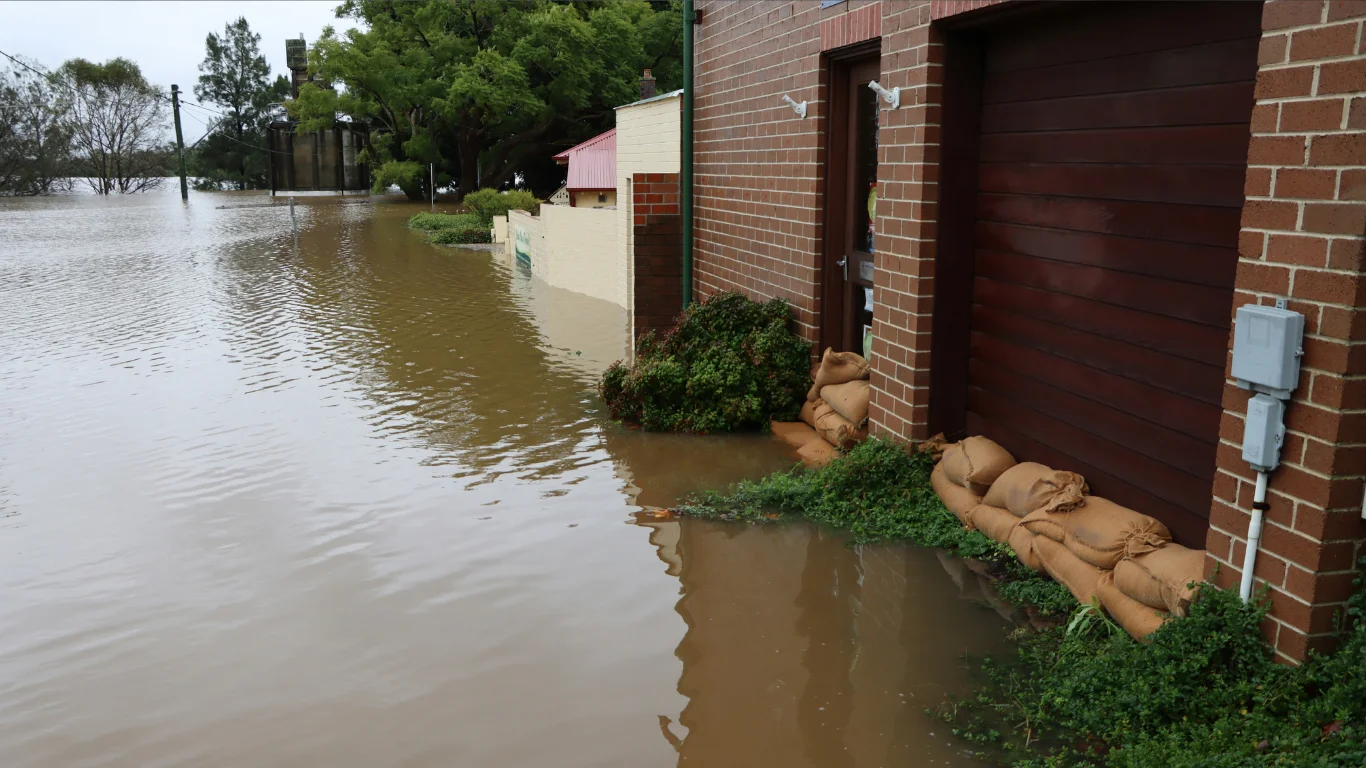
Before addressing the damage itself, the source of the water must be identified and stopped. If the issue is due to a broken pipe, shutting off the main water supply is vital. In cases of roof leaks or external flooding, temporary barriers such as waterproof covers or sandbags can help reduce further intrusion. The longer the water continues to flow, the more extensive the damage will become.
After halting the water source, assess the affected area carefully. Avoid stepping into pooled water if electricity is still active. If possible, turn off the power supply in that section of your home until it is safe to proceed. Taking these precautions protects both your safety and your property.
Remove Standing Water
Once the source has been contained, the next step is removing standing water. Even small puddles can lead to significant issues if left unattended. For smaller spills, absorbent towels and mops can be effective. In more difficult situations, using wet vacuums or pumps may be necessary to extract large volumes of water.
It is important to act swiftly because moisture that lingers for even a short period can penetrate deeply into flooring and walls. Carpets and rugs should be lifted and dried thoroughly to prevent mold growth underneath.
Dry the Area Completely
After removing visible water, drying the affected space thoroughly is critical. Opening windows and doors improves air circulation and speeds up evaporation. Fans and dehumidifiers can also help remove moisture from the air and surrounding surfaces. If the humidity remains high, mold spores can begin to develop within a day, turning a manageable issue into a serious health concern.
It is also important to check hidden areas such as under flooring, inside wall cavities, and behind furniture. These spots often retain moisture even when the surface appears dry.
Clean and Disinfect Surfaces
Water damage often leaves behind more than just visible stains. Contaminants from floodwater, burst pipes, or sewage backups can introduce bacteria and unpleasant odors. Once the space is dry, all affected surfaces should be cleaned with appropriate disinfectants to eliminate harmful microbes.
Focus on floors, walls, and any surfaces that came into contact with the water. Porous materials, such as carpets and upholstery, may need professional cleaning or replacement to ensure complete sanitation. Maintaining a clean environment after drying helps prevent mold regrowth and preserves indoor air quality.
Inspect for Mold Growth
Mold is one of the most common and harmful consequences of untreated water damage. It thrives in moist, dark areas and can begin forming within 24 to 48 hours. Inspect your home carefully for early signs, such as musty odors, discolored patches, or fuzzy growth on surfaces.
If you detect mold, it is crucial to handle it properly. Small patches may be cleaned with suitable cleaning agents, but larger infestations should be managed by professionals trained in mold remediation.
Document the Damage
Before any repairs begin, it is wise to document all visible damage thoroughly. Take clear photos and videos of the affected areas, including furniture, walls, and flooring. Keep detailed notes of the items damaged and any immediate steps taken to mitigate the situation.
This documentation serves two important purposes. First, it helps you track the restoration process and confirm that all necessary repairs are completed. Second, it can support insurance claims, providing evidence of the damage and repair efforts. Proper documentation ensures smoother communication with insurers and helps you recover losses efficiently.Water damage can be a stressful and disruptive experience, but understanding how to respond effectively makes all the difference. Acting quickly, prioritizing safety, and following the right steps can prevent lasting damage and reduce repair costs.