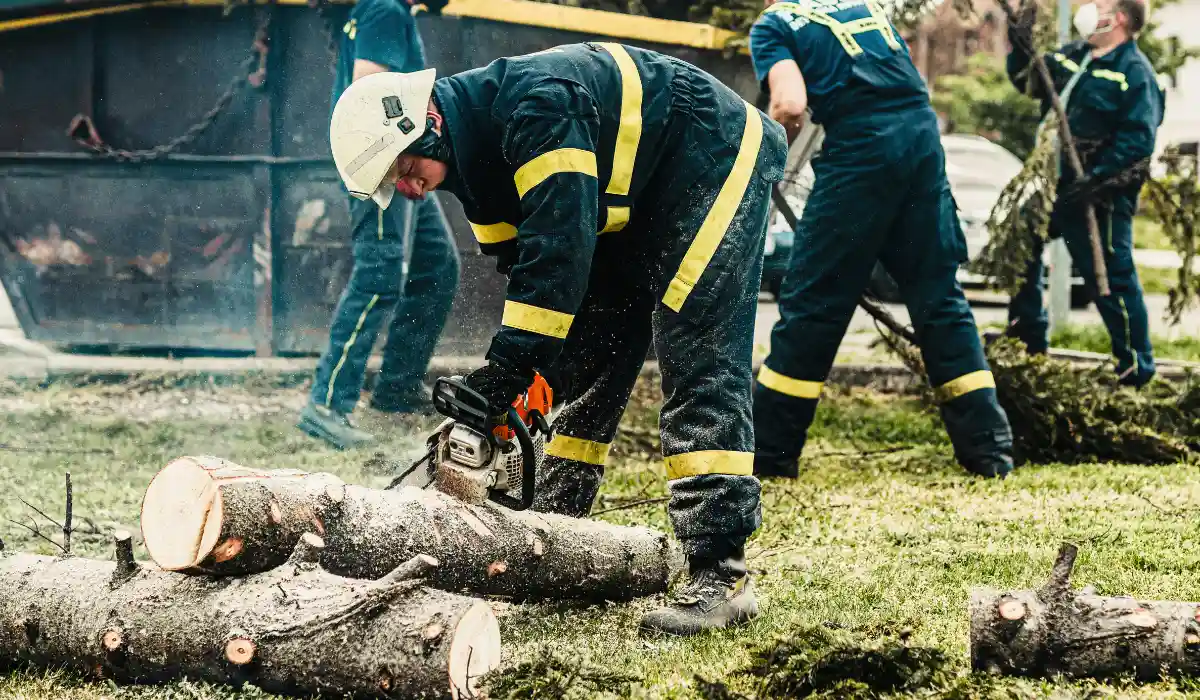
Many people wear the wrong hard hat at work without knowing it. Hard hats come in different types and classes for different hazards. This guide will help you pick the right safety helmet and stay safe on the job.
Find out if your hard hat is really protecting you.
Classification of Hard Hats
Hard hats come in different types and classes. Each one offers specific protection for various jobs and hazards.
Type 1 vs. Type 2 Hard Hats
Type 1 and Type 2 hard hats protect against different types of impact on job sites. See the summary below for clear differences.
| Feature | Type 1 Hard Hat | Type 2 Hard Hat |
|---|---|---|
| Impact Protection | Top of the head only | Top, sides, front, and back of the head |
| Standard | Common in the United States | Often required in Canada and Europe |
| Testing | Dropped weight hits crown area | Impacts tested at crown, front, side, and rear |
| Main Use | General construction and industrial work | Work involving risk of side impacts like electrical utilities and mining |
| Appearance | Simpler design with basic brim | Fuller shell, extra padding inside |
| Cost | Usually more affordable | Often higher price due to extra features |
| Labels/Markings | Marked as “Type 1” on shell or inside label | Marked as “Type 2” near sizing or manufacturer’s info |
| OSHA/ANSI Standard | ANSI/ISEA Z89.1-2014 or newer | Same, with tougher side impact requirements |
Hard Hat Classes: G, E, and C
Hard hats come in three main classes: G, E, and C. Each class provides different levels of protection. Check the table below for a quick summary.
| Class | Full Name | Electrical Protection | Typical Use | Key Features |
|---|---|---|---|---|
| G | General | Up to 2,200 volts | Construction, factories, light industrial | Protects from low-voltage electrical hazards. Basic impact resistance. |
| E | Electrical | Up to 20,000 volts | Utility, power lines, electrical work | Highest electrical protection. Impact resistance tested. |
| C | Conductive | No protection | Welding, manufacturing, indoor work | Provides good ventilation. Not for electrical use. |
Common Misconceptions About Hard Hat Categories
Many people think every safety helmet gives the same head protection. This is not true. Type 1 hard hats protect only from impacts that come from above, while Type 2 helmets also shield you from side blows.
Workers often mix up hard hat classes like G, E, and C. Class G (General) protects against low-voltage electricity up to 2,200 volts; Class E (Electrical) guards against higher voltage up to 20,000 volts; and Class C (Conductive) offers no electrical protection.
Some workers choose their personal protective equipment PPE based on comfort or style instead of using hazard assessment or following safety regulations. Wearing the wrong type can mean unsafe work conditions or even fines for not meeting compliance standards at your workplace.
Each job has its own risks that need the right kind of head protection to keep workers safe and meet guidelines.
Importance of Wearing the Correct Hard Hat
Understanding the importance of wearing the correct hard hat can save lives and prevent injuries. Hard hats protect against many workplace hazards, like falling debris or bumps on the head.
Wearing the right type ensures that workers have adequate impact resistance for their specific jobs. For instance, a Type 1 hard hat is great for overhead impacts, while a Type 2 offers side protection too.
Picking the wrong one may seem harmless but could lead to serious injuries.
Safety regulations demand compliance with these standards for a good reason. Workers in construction face risks every day; choosing the wrong safety helmet puts them at risk without them even knowing it.
Studies show that using improper head protection increases injury chances by up to 30%. Employers must provide guidelines to help workers choose wisely. Investing in the right hard hat means investing in worker safety and health.
“The best way to predict your future is to create it.” – Peter Drucker
Real-World Consequences of Using the Wrong Hard Hat
Using the wrong hard hat can lead to serious injuries. Hard hats are designed for specific hazards. For example, a Type 1 hard hat is best for vertical impacts from above and won’t protect against lateral forces.
If you wear the wrong type in a construction zone, falling objects could cause major harm.
Injuries from using the wrong helmet can also result in costly medical bills and time off work. This affects the worker as well as their employer’s bottom line. Workers might need rehabilitation or even face permanent disabilities due to poor protection choices.
These real-world consequences highlight how essential it is to choose the right hard hat based on workplace hazards.
Choosing the right hard hat involves assessing workplace risks carefully.
How to Choose the Right Hard Hat
Choosing the right hard hat starts with knowing the hazards at your job site. Make sure to check safety standards so you can pick a helmet that gives you the best protection.
Assessing Workplace Hazards
Assessing workplace hazards is essential to safety. Knowing the risks helps you choose the right hard hat.
- Identify overhead hazards in your work area. Look for objects that may fall, like tools or materials.
- Evaluate electrical hazards around you. Check for wires or equipment that can cause shock.
- Consider chemical exposures present at your site. Some jobs involve harmful substances that can affect health.
- Analyze noise levels in your environment. Loud sounds can damage hearing over time, requiring specific headgear.
- Review any falling object risks on construction sites. Workers should protect their heads from heavy items above them.
- Assess the type of machinery in use nearby. Moving parts can pose threats to workers without proper protection.
- Look at weather conditions impacting outdoor jobs. Sun, rain, or wind can affect how well a hard hat protects you.
Understanding these factors helps ensure you wear the right safety helmet and comply with safety regulations. It also enhances workplace safety for everyone involved.
Understanding Safety Standards
Safety standards are rules that help keep workers safe. Hard hats follow strict guidelines set by organizations like ANSI and OSHA. These groups ensure hard hats can protect against different hazards in the workplace.
When working in environments with potential side impacts, it is crucial to use a type 2 hard hat for optimal protection.
Standards define how much impact a helmet can take and what materials it must use.
Choosing the right standard is crucial for safety. Type 1 hard hats are for top impact protection, while Type 2 offers side protection too. Classes G, E, and C specify different levels of electrical insulation and heat resistance.
Using the correct type ensures adequate head protection while working in hazardous conditions. The next part will show why wearing the correct hard hat is essential for your safety at work.
Caring for Your Hard Hat
Keep your hard hat clean and dry. Check it often for cracks or damage, as a safe helmet protects you best.
Proper Maintenance Practices
Proper maintenance keeps hard hats in good shape. This ensures they can protect you well.
- Clean hard hats after each use. Use mild soap and water to remove dirt and oils. Avoid harsh chemicals that can damage the material.
- Inspect hard hats for cracks or dents regularly. Look for signs of wear and tear; these can weaken protection.
- Store hard hats in a cool, dry place when not in use. Extreme heat or sunlight can damage them over time.
- Avoid using hard hats with stickers or labels not approved by safety standards. These can hide damage or reduce effectiveness.
- Replace your hard hat every five years, even if it looks fine. The materials break down over time, which affects safety.
- Do not modify your hard hat by drilling holes or adding attachments. This can compromise its strength and protective features.
- Check the suspension system inside the hat often. Make sure it fits snugly; a loose fit offers less protection.
- Follow guidelines from manufacturers regarding maintenance and usage. Each type may have specific instructions to ensure safety compliance.
- Dispose of damaged hard hats properly to prevent others from using them unknowingly compromised protection.
When to Replace Your Hard Hat
Hard hats need to be replaced regularly. Old or damaged hats may not protect you.
- Cracks or dents show that a hard hat is damaged. These flaws weaken the structure and reduce protection.
- Hard hats exposed to harsh chemicals should be replaced. Chemicals can break down materials, making them unsafe.
- Signs of wear, like fading or scratches, mean it’s time for a new hard hat. Dull colors often indicate loss of strength.
- A hard hat older than five years should be changed, even if it looks fine. Aging can affect its protective capability.
- If you’ve been in a fall or hit your hard hat, get a new one right away. Impacts can compromise its safety features.
- You should always follow manufacturer guidelines about replacement times and conditions. Safety standards help ensure maximum protection.
Choosing the right hard hat is essential for your safety at work.
Conclusion
Choosing the right hard hat is key for safety. Many people wear the wrong type and face risks they don’t even realize. Always check your hard hat category and class. Protecting your head should never be a guess.
Stay safe and wear what fits your job best!