Deciding on fencing and railing materials is a safety, looks, compliance, and long-term cost of ownership related decision. Whether you’re working on a residential, commercial, or mixed-use project, the materials you choose need to provide the right combination of durability and design vision while complying with local codes.
Working with a knowledgeable fence and railing supplier early in the process can help clarify options and avoid expensive mistakes later. Before committing to a specific product, it is important to understand how material types, building codes, maintenance needs, and lead times all influence the final outcome.
Understanding Material Types and Performance
The first thing to think about is the selection of materials and how they all stack up one to the other when used outside. These are just a few of the most common types of decorative fence material you will find in today’s market, but there are many others as well. Each substance has its own advantages and disadvantages, which need to be considered depending on the climate, the application, and the expected life of the project. Good fence and railing providers will be able to tell you which products coat, perform and stand up best in moist environments, salty air, or heavy foot traffic.
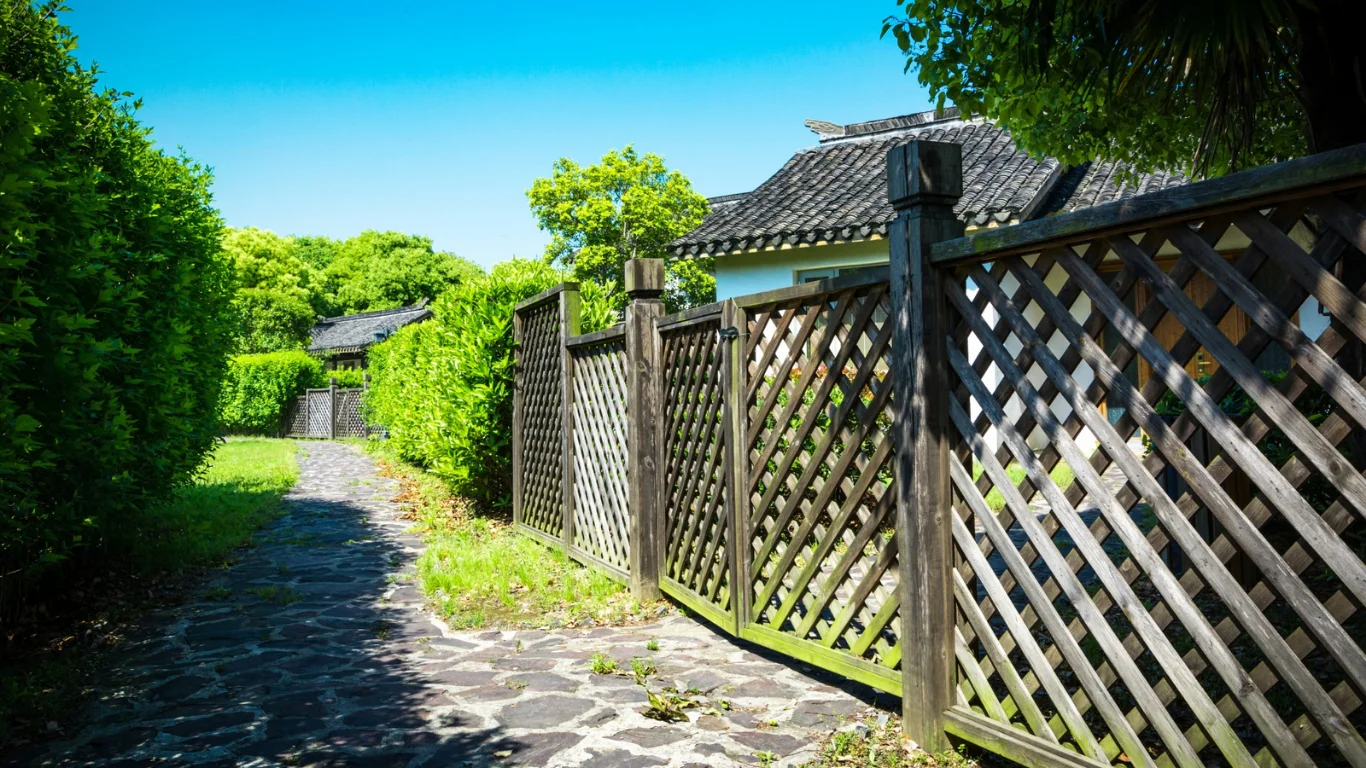
Wood provides a timeless look but is susceptible to rot, insects and weather damage. Metal systems such as aluminium and steel offer strength and elegance with the former providing superior corrosion resistance. Glass railings provide a clear view, but does not mean you can select any kind of glass. Composite and vinyl are products that are very commonly selected for their durability and resistance to rot, however they can be limited in their ability to bear loads. To align your material choice with your needs visually as well as functionally, it would be beneficial for you to speak with a fence and railing supplier.
Code and Safety Considerations
Building codes play a critical role in fencing and railing decisions, especially for stairways, balconies, decks, and commercial properties. Height requirements, load ratings, spacing between balusters, and handrail grip dimensions are often regulated at the local or national level. These rules are designed to ensure user safety, and noncompliance can result in delays, fines, or required rework.
A knowledgeable fence and railing supplier stays informed about applicable codes and can guide you toward compliant systems. This is particularly important when working across regions, as requirements can vary significantly. For example, guardrail height standards for residential decks may differ from those for multi-family or commercial buildings. By factoring code requirements into material selection early, you reduce the risk of selecting a visually appealing product that fails inspection.
Maintenance and Long-Term Ownership Costs
But the initial cost of purchasing is only part of the equation. Living with the maintenance needs of a fence or railing can have a big impact on total ownership costs. Certain materials need to be sealed, painted or checked on a regular basis, while others can be left alone. Talking about these options with a fence and railing retailer makes for clearer expectations pre-installation.
Wood systems, for example, may need to be stained or painted from time to time to preserve look and structural soundness.
Steel may require protective coatings to resist rust, especially in humid or coastal regions. Aluminium, vinyl and composite alternatives tend to need very little maintenance besides cleaning, which appeals to property owners looking for predictable maintenance routines. When you select a fence and railing supplier that is transparent on lifecycle costs, you are better equipped to make one that works for both your budget and your timeline.
Lead Times and Project Scheduling
Lead time is another critical but often overlooked factor. Some fencing and railing products are readily available, while others are custom-fabricated and require extended production periods. Material availability, finishing processes, and shipping distances can all affect delivery schedules. A proactive fence and railing supplier can provide realistic timelines and help coordinate orders with construction milestones.
Delays in receiving materials can stall a project, especially when railings are required for occupancy approval. Custom metalwork, specialty glass panels, or imported components may require weeks or months of lead time. By discussing schedules in advance with a fence and railing supplier, you can adjust specifications or timelines to keep the project on track.
Balancing Aesthetics, Function, and Reliability
Above and beyond technical standards, fences and railings can play a big role in defining the look and feel of a building. Color, texture and profile should work with the surrounding architecture while performing as needed. A knowledgeable fence and railing manufacturer may give samples, mock ups or even previously completed projects references to where you can see what they do.
In the end, it’s a question of finding the right fit in terms of style, safety, durability and availability. Spending some time assessing material types, verifying code requirements, understanding maintenance requirements, and planning for lead time allows for better decisions. Collaborating with the right fencing and railing provider also guarantees that such aspects are considered in unison to achieve the ultimate solution for well performance from installation to years down the road.