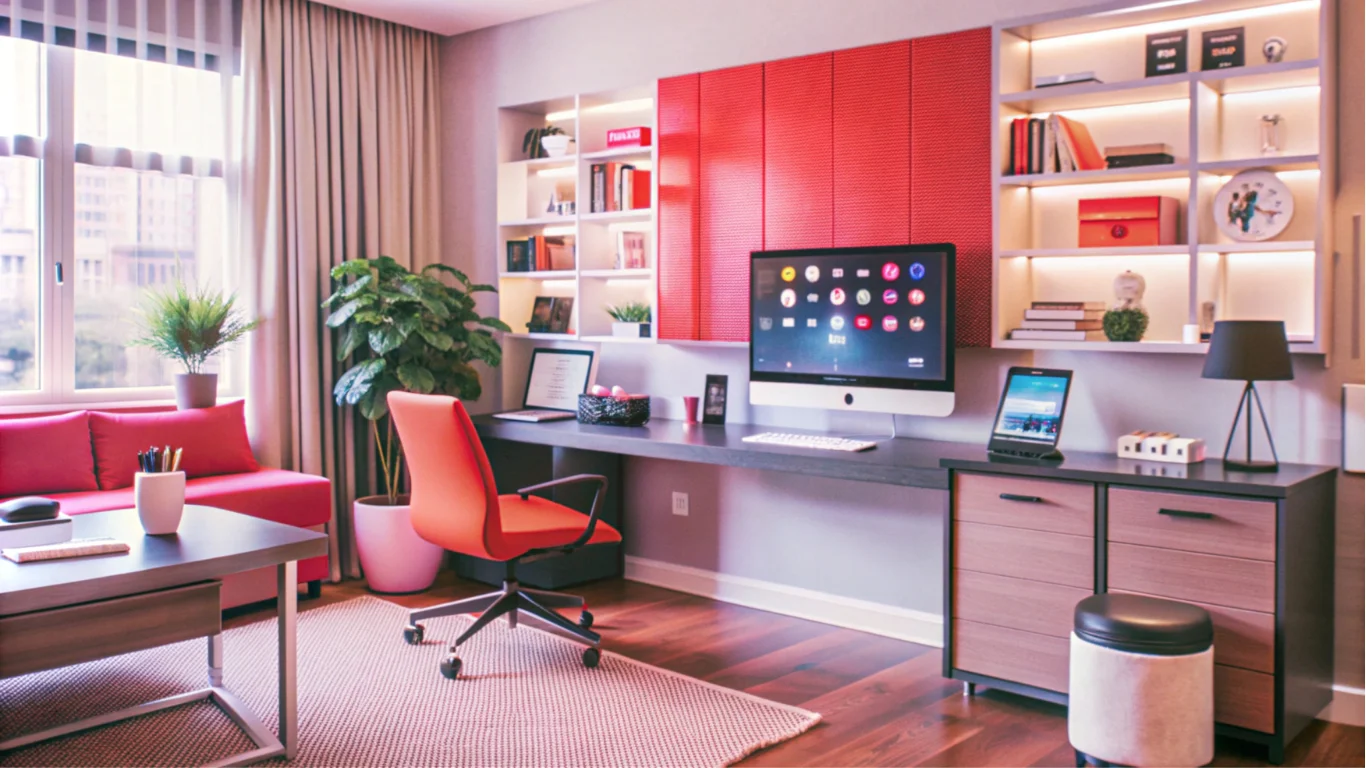
Research from Cornell University’s ergonomics department found that workers with properly adjusted chairs and desks reported 17% fewer musculoskeletal complaints and completed tasks about 12% faster than those with standard setups. Designer workspace furniture does more than just look good in an office. It actually affects how people think, how long they can focus, and whether they end up with back pain at the end of the day.
The physical environment influences cognitive function more than most people realize, and furniture sits at the center of that relationship. Quality workspace furniture considers anthropometry (body measurements), task requirements, and how spaces flow together, not just aesthetics, though good design makes those functional elements actually work in real environments.
Ergonomics Beyond the Buzzword
Real ergonomic design starts with understanding how the human body actually works. Your spine has natural curves that need support, your arms work best at specific angles, and your eyes focus most comfortably at certain distances. Designer furniture accounts for all this instead of forcing your body to adapt to the furniture.
Take desk height. For typing, your forearms should be roughly parallel to the floor with your shoulders relaxed. That’s usually around 28 to 30 inches for most adults, but everyone’s different. Quality desks either adjust in height or come in multiple sizes. The same goes for chairs, where seat depth, lumbar support position, and armrest height all need to match your specific measurements. A 5’2″ person and a 6’3″ person need completely different setups.
Material Choices and Durability
The materials used in designer furniture affect both comfort and longevity. Cheap office chairs use thin foam padding that compresses flat within months. Better designs use high-density foam that maintains its shape for years, sometimes with memory foam layers for pressure distribution.
Wood desktops can be solid hardwood, which is durable but heavy and expensive, or engineered wood with laminate surfaces, which performs well if done right. Metal frames should be steel rather than aluminum for anything supporting significant weight, with powder-coated finishes that resist chips and scratches. The quality of casters (those little wheels on chairs) matters more than you’d think, with good ones rolling smoothly on both carpet and hard floors without wearing out.
Flexibility for Different Work Modes
Modern work involves switching between tasks constantly. You’re typing, then video calling, then sketching ideas, then reading documents. Furniture that adapts to these different activities reduces friction and keeps you in the flow.
Sit-stand desks let you change position throughout the day, which research shows reduces fatigue and maintains alertness. Monitor arms allow quick repositioning when you switch from detailed work to collaborative review. Mobile furniture on casters can transform a space from individual work mode to meeting configuration in minutes. This flexibility isn’t about being trendy, it’s about matching your physical setup to what your brain is trying to do at any given moment.
Psychological Impact of Design
The appearance and feel of furniture affects mood and motivation in ways that are hard to measure but definitely real. Clean, organized spaces with thoughtful furniture reduce visual clutter, which reduces cognitive load. Your brain doesn’t have to work as hard to filter out distractions.
Color psychology plays a role too. Neutral tones like grays and beiges create calm, focused environments, while pops of color can energize certain spaces. Natural materials like wood and fabric feel warmer and more inviting than all-plastic or all-metal setups. Lighting integration matters, with some designer furniture incorporating task lights or ambient LED strips that reduce eye strain.
Acoustic Considerations
Open offices created productivity problems that good furniture can help solve. High-backed chairs and partition panels provide some acoustic separation without fully closing people off. Fabric-covered surfaces absorb sound rather than reflecting it, lowering ambient noise levels by several decibels.
Some designer furniture specifically targets acoustic control with sound-dampening materials built into panels and screens. A well-furnished space shouldn’t echo when people talk, but it also shouldn’t feel dead and oppressive. Getting this balance right affects concentration and communication quality, especially in spaces where people need to take calls while others work nearby.
Investment Value and Total Cost
Quality workspace furniture costs more upfront but lasts way longer and prevents health issues that cost even more. A cheap chair at $150 might need replacing in two years and could contribute to chronic back pain that affects productivity and requires medical care. A $800 designer chair should last ten years and keep you healthier.
Companies calculating return on investment need to consider productivity gains, reduced sick days, and employee satisfaction alongside purchase price. Studies have shown that improved workplace furniture correlates with reduced turnover, which saves huge amounts in recruitment and training costs. When you’re paying someone $50,000 to $100,000 a year, spending $2,000 on their workspace setup suddenly seems pretty reasonable if it makes them even 5% more effective.