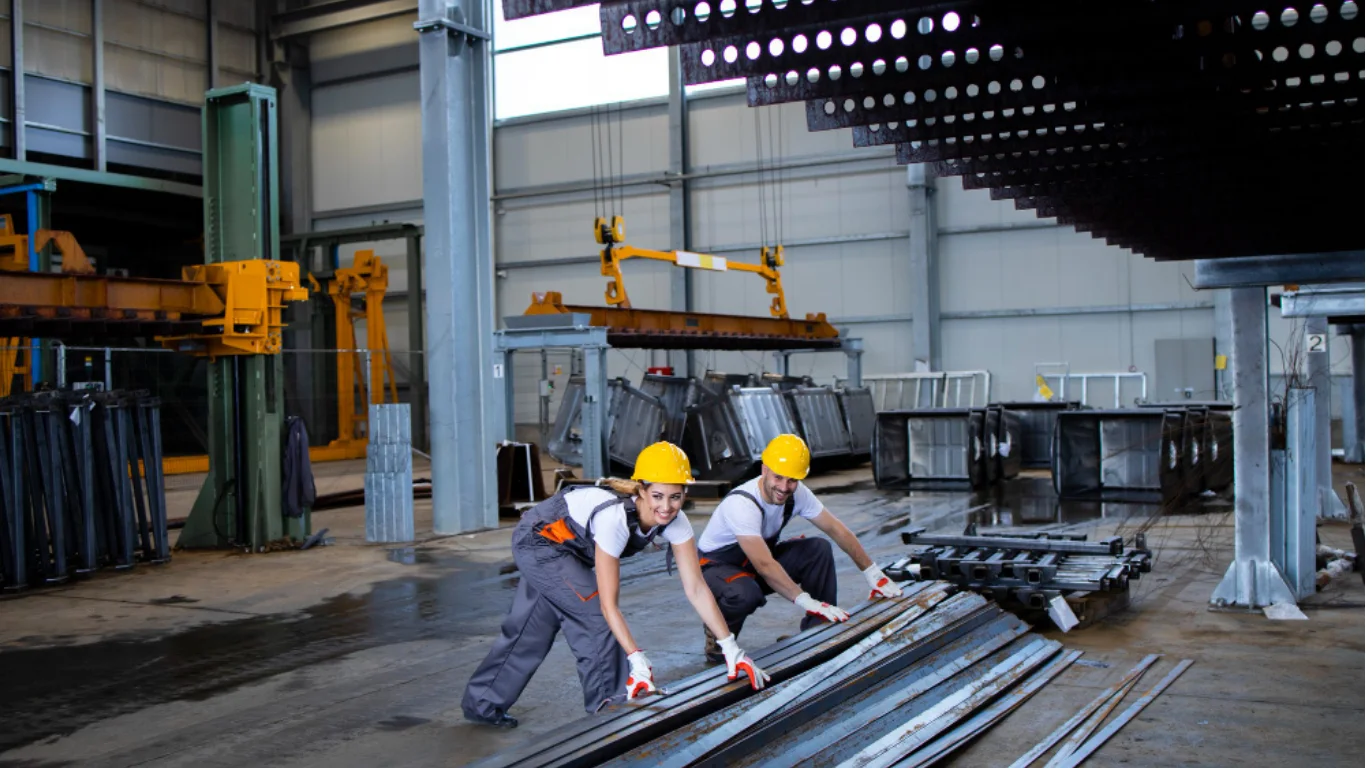
The city’s fabrication shops handle everything from simple brackets and supports to complex structural frameworks and custom architectural features. Steel fabrication Melbourne serves a wide range of sectors from construction and architecture to manufacturing and infrastructure development. What makes Melbourne’s steel fabrication industry particularly strong is the combination of skilled trades people, modern equipment, and proximity to major projects across Victoria. Companies here work with structural steel, stainless steel, aluminum, and specialty alloys depending on project requirements. The technical capabilities have expanded significantly in recent years with CNC machining, laser cutting, and robotic welding becoming standard in many facilities.
Construction and Structural Applications
Steel fabrication for construction projects involves creating beams, columns, trusses, and connection plates that form the skeleton of buildings and structures. Melbourne’s commercial construction boom over the past decade has kept fabrication shops busy producing custom structural components for high-rise developments, shopping centers, and industrial facilities.
Structural steel offers advantages over concrete in certain applications. It’s lighter, can span longer distances without support, and goes up faster on site because components arrive pre-fabricated and ready to install. For projects on tight timelines or difficult sites, steel framing can shave weeks or months off construction schedules.
Fabricators work from engineering drawings to cut, drill, and weld steel sections to precise specifications. Tolerances are tight because structural connections need to align perfectly during installation. A column that’s off by even a few millimeters can cause problems when you’re trying to connect beams several stories up.
Australian standards AS 4100 and AS/NZS 5131 govern structural steel fabrication. These cover everything from material grades to welding procedures and quality control. Reputable fabricators maintain certification to these standards and employ qualified welders who hold current tickets.
Architectural Metalwork and Custom Features
Beyond structural work, Melbourne fabricators create architectural features like staircases, balustrades, decorative screens, and facade elements. These projects blend engineering with aesthetics. The metal needs to be strong enough to meet building codes while achieving the designer’s vision.
Stainless steel is popular for architectural work because it resists corrosion and maintains appearance with minimal maintenance. You see it in balustrades, handrails, and facade cladding. The material costs more than mild steel but the durability and look justify the expense for visible applications.
Laser cutting technology has expanded what’s possible in architectural metalwork. Fabricators can cut intricate patterns and designs that would be extremely difficult or impossible to achieve with traditional cutting methods. This has led to more elaborate decorative screens and facade panels in commercial and residential projects.
Powder coating and specialized finishes protect the metal and add color. The process involves applying a dry powder that’s then cured under heat to create a durable finish. It’s more resistant to chipping and fading than traditional wet paint.
Industrial Equipment and Machinery Components
Manufacturing and industrial facilities need custom metal components for machinery, conveyor systems, platforms, and access structures. Melbourne fabricators support industries including food processing, mining, logistics, and automotive manufacturing.
Industrial fabrication often involves heavier gauge steel and more robust welding compared to architectural work. Components need to handle significant loads and repeated stress cycles. Welding quality is critical because a failed weld on a production line can halt operations and create safety hazards.
Stainless steel is essential for food processing and pharmaceutical applications where hygiene and corrosion resistance matter. Fabricators working in these sectors need to understand sanitary design principles like avoiding crevices where bacteria can accumulate and ensuring surfaces can be thoroughly cleaned.
Transport and Infrastructure Projects
Victoria’s transport infrastructure requires substantial steel fabrication for bridges, pedestrian overpasses, rail platforms, and support structures. These projects involve large-scale fabrication with strict quality requirements because public safety depends on structural integrity.
Bridge fabrication is particularly specialized. Steel sections need to be fabricated with extreme precision because components manufactured in different locations must fit together accurately during site assembly. Welding procedures require specific qualifications and extensive testing.
Galvanizing or protective coating is standard for infrastructure steel exposed to weather. Hot-dip galvanizing involves immersing the steel in molten zinc, creating a coating that protects against corrosion for decades. The process requires fabricators to design components with drainage holes and venting to allow zinc to flow properly.