Ever walk into your house after a long day, drop your keys, and immediately feel… agitated? Nothing’s technically wrong, but something’s off. Maybe it’s the weird smell coming from the garbage disposal, the creaky floorboard, or the way your socks collect pet hair like a lint roller. In this blog, we will share simple ways to make your home more comfortable—not in the glossy-magazine sense, but in the way that actually matters.
Comfort Begins with What You Don’t See
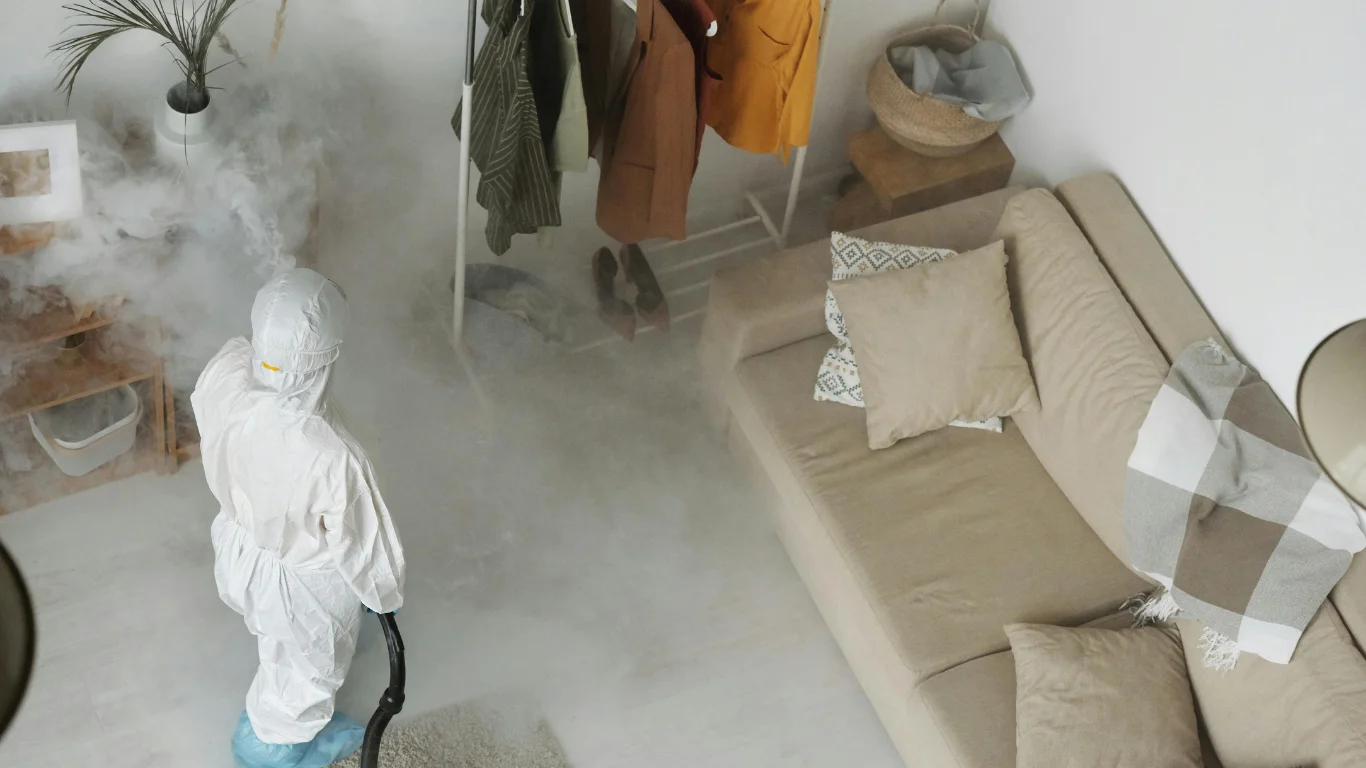
Some discomforts hit you in the face. A broken heater. A draft from an old window. Others are sneakier—subtle irritations that build over time. One of the most overlooked is pest activity. You don’t always see it, but you feel it. A few crumbs behind the toaster and suddenly you’re not the only one enjoying the kitchen.
Left alone, minor pest issues turn into full-on invasions. In regions with moisture-rich soil and dense greenery, like the Pacific Northwest, ants and rodents don’t wait for an invitation. They find their way in—through crawl spaces, vents, and gaps around pipes—and once they’re in, they stay.
If you’re looking for professionals that specialize in pest control Bellingham has well-regarded services that combine fast response with long-term prevention. Local teams familiar with the regional pests and climate can seal vulnerable entry points, spot breeding grounds, and help keep your home both cleaner and quieter. It’s not just about removing what’s already inside—it’s about making the space less appealing to begin with.
Taking care of pests early spares you from future repairs and prevents the kind of daily stress that’s hard to name but easy to feel. Because no one relaxes well when they’re also trying to keep an eye on the wall behind the fridge.
Make the Air Work for You
Comfort lives in the air—its temperature, its texture, and whether it smells like dinner from three nights ago. One of the fastest ways to make your home more livable is by improving airflow and air quality. It doesn’t require new ducts or expensive HVAC replacements either.
Start with what you already have. Change your filters. Clean your vents. If you’re using standalone heaters or air purifiers, vacuum out the intake areas. People tend to forget that machines built to clean the air can’t do much when they’re coated in dust.
And then there’s scent. Stale smells drag a space down. Open the windows, even for short periods in winter. Scented candles and diffusers help, but they’re covering—not correcting—stagnant air. Ventilation is where comfort begins, especially in high-use rooms like kitchens, laundry areas, and bathrooms.
Use Lighting That Doesn’t Fight You
Bad lighting quietly sabotages the feeling of ease. You don’t notice until your eyes ache or you start skipping certain rooms at night. Overhead lights that glare like a dental exam, or tiny lamps that barely light the page, both miss the mark.
You don’t need to rewire the whole house. Start with swapping bulbs. Use daylight-spectrum LEDs in workspaces to reduce eye strain. Warmer tones fit living rooms and bedrooms better. Put dimmers in places where brightness levels need to shift—like the dining area, where dinner becomes a workspace once the laptop comes out.
Add task lighting in kitchens, bathrooms, and any reading areas. A small strip of LED under a cabinet or mirror doesn’t just make things easier—it makes the space feel more considered, more tailored to real life.
Curtains matter here too. Thick, dark panels trap light during the day, while thin, sheer coverings can make a room feel exposed at night. Balance is everything. Natural light where possible. Soft diffusion where not.
Rethink Surfaces You Use Every Day
Comfort isn’t something you buy once and walk away from. It’s a combination of repeated experiences—sitting, walking, cooking, cleaning. The things you touch most often are usually the ones worth upgrading first.
Rugs over cold tile make mornings more bearable. A mat in front of the sink saves your knees. Soft-close hinges on cabinet doors and drawers eliminate that constant clatter. You don’t notice these things until you fix them—and then you wonder how you put up with them for so long.
Swap handles that stick. Fix doors that don’t close right. Replace wobbly furniture. If something slows you down, gets in the way, or annoys you more than twice a week, it’s worth addressing. These aren’t design decisions. They’re function improvements that reduce daily friction.
And when it comes to cleaning? Make it easier to do well. That means fewer items on counters, hooks where things usually pile up, and easy-access storage where the most-used stuff lives. The cleaner a place stays, the calmer it feels.
Noise Control Is Mood Control
Comfort isn’t just physical. It’s sensory. And one of the most ignored senses in home design is sound. Between barking dogs, loud neighbors, traffic, and the never-ending hum of appliances, homes get loud in ways that grind people down.
Thick rugs, wall hangings, and padded furniture help muffle sound, especially in rooms with hard floors and high ceilings. If you’ve got a washer near a bedroom or office, padding under the unit can stop the vibrations from turning into constant background noise.
Weather stripping on windows and door sweeps at thresholds do double duty here—keeping both drafts and outside noise out. Even heavy curtains or layered blinds can mute the chaos from the street.
Inside the home, zoning is key. Not every room should carry the same volume. Creating quiet spaces—whether it’s a reading corner, a place to nap, or just a better-insulated door—gives the mind room to rest. Comfort isn’t about total silence. It’s about control over what you hear and when.
Small Systems, Big Relief
Sometimes it’s not the home itself, but the systems around it, that cause discomfort. No one enjoys fumbling for light switches, chasing trash day across five different apps, or realizing mid-shower that the hot water’s gone again.
Timers, motion-sensing lights, and simple smart plugs can cut down on repetitive effort. You don’t need to automate your life. You just need to remove the parts that always feel one step behind.
Put essentials where you actually use them. Extra phone chargers by the couch. Cleaning wipes in every bathroom. Extra towels near the entryway for wet shoes. Every one of these small decisions makes your house feel like it gets you—and that’s the root of real comfort.