Ever walked into a house and thought, “Something about this place just feels right,” even if you couldn’t name exactly what it was?
That reaction isn’t random. It’s built off a series of choices—color, layout, lighting, materials—that either work together or quietly clash. As homes double as workspaces, rest zones, and social hubs, people are paying more attention to how their spaces look and feel. In this blog, we will share how homeowners are rethinking design decisions and making changes that impact not just style, but everyday living.
Starting With What You See Every Day
The walls, floors, ceilings, and fixtures are more than background details. They form the canvas of daily life. And if you’re staring at chipped paint, off-white walls that never looked white, or colors that felt like a good idea in 2006 but don’t anymore, the space wears on you. It’s subtle at first. Then it becomes constant.
Home improvement doesn’t always mean tearing things down or starting from scratch. Often, it starts with one of the most powerful and cost-effective tools: paint. In fact, after the pandemic lockdowns turned bedrooms into offices and kitchens into Zoom backgrounds, interest in painting spiked nationwide. People realized their home’s visual atmosphere had a direct link to their focus, mood, and energy.
For residents of Houston residential painting woes are short-lived since there are ample professionals who not only know their way around color palettes, but also understand the regional climate’s effect on paint longevity. Sunlight, humidity, and temperature swings all play a role in how paint behaves over time. Fresh coats done right do more than brighten a room—they shield the surface, add value to the property, and lift the feel of the entire home. But to work, the job has to be more than cosmetic. It’s about matching the tone to the room’s function, balancing natural light with shade, and thinking in terms of long-term comfort, not just what looks good on Pinterest today.
More Than Color: Texture, Light, and Flow
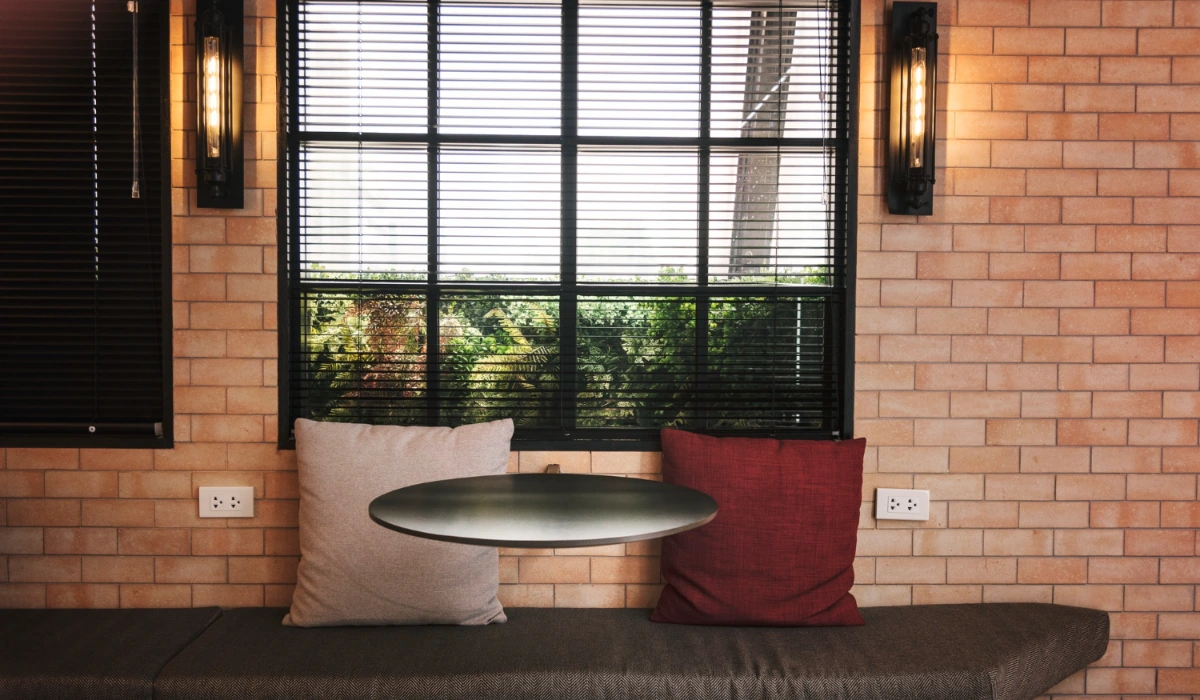
While paint might be the gateway, real transformation requires a broader lens. Texture, lighting, layout—all of it shapes how a room feels when you step into it. A well-lit space with layered textures feels warm and inviting. A sterile room with hard surfaces and overhead lights only works in operating rooms.
One trend gaining ground is the use of mixed materials: soft fabrics against natural woods, brushed metals next to matte walls, or smooth surfaces with a splash of tactile contrast. This isn’t about chasing aesthetics. It’s about creating sensory depth. A room should feel alive when you walk in, not just look “nice” in a photo.
Lighting plays a bigger role than most people realize. Overhead lighting alone flattens everything. It makes rooms feel stark, even cold. Strategic layering—mixing ambient lighting with task lighting and accent pieces—creates spaces that shift with the time of day and use of the room. That dimmed corner lamp in the evening does more than illuminate a book—it tells your body it’s time to wind down. And those subtle visual cues have measurable impact on sleep, stress, and productivity.
Open layouts are still in demand, but they’re being rethought. The “great room” era came with tradeoffs—mainly noise and lack of privacy. In response, people are reintroducing partial separations: glass dividers, sliding doors, bookcases that double as room boundaries. These aren’t throwbacks. They’re adaptations. People want connection, but also control over their space. The pandemic highlighted how hard it is to focus when everything happens in one open area.
Personalization Without Clutter
The push for minimalism in recent years made many homes feel clean, but also a little cold. The shift now is toward personal touches—but done with restraint. Instead of over-decorating every surface, people are choosing statement pieces, clean lines, and items that carry meaning. A photo wall curated with intention carries more emotional weight than shelves packed with generic objects.
This trend reflects a broader societal move toward conscious consumption. It’s not about having more, it’s about choosing what earns its space. This mindset blends with sustainability too. Rather than buying new furniture, many homeowners are restoring or repurposing existing pieces. A sanded-down table, a reupholstered chair—these updates bring character without adding to landfills. There’s pride in keeping what works and reshaping it into something that fits a new phase of life.
And the effect isn’t just visual. Walking into a home that reflects your values—care, sustainability, intentionality—feels different. It’s grounding. It reinforces that the space is yours, not just another image copied from a catalog.
Energy Efficiency and Long-Term Payoff
The way a home feels isn’t just shaped by decor. It’s also affected by temperature, noise, and air quality. You don’t always see these elements, but you feel them. And in a world where utility costs are rising and climate consciousness is growing, more homeowners are investing in energy-efficient updates—not just to save money, but to live better.
Swapping out drafty windows, adding insulation, and sealing leaks can drastically improve a home’s comfort while reducing monthly costs. Smart thermostats are no longer a tech gimmick. They learn your routines, adjust in real-time, and help keep energy usage down without sacrificing comfort. And yes, they sync with your phone, which adds that small thrill of turning your heat up while still in bed.
Appliance upgrades also factor in. Older models not only use more energy but also generate more heat and noise. Newer dishwashers, fridges, and laundry units operate quietly, use less power, and tend to blend into the aesthetic of the home more seamlessly.
These improvements aren’t always flashy. No one comes over and compliments your insulation. But they change how you live. You stop noticing the cold floor in the morning. You stop adjusting the thermostat three times a day. You breathe cleaner air. That’s what comfort looks like long-term.
Outdoor Spaces as Living Rooms
The line between indoors and outdoors keeps getting blurrier, and for good reason. People want more from their yards, balconies, and patios than just a place to toss the grill. Outdoor space is now treated as an extension of the home—somewhere you can eat, relax, work, or even host.
This trend accelerated when social distancing made indoor gatherings harder. Outdoor furniture sales surged. So did fire pit installs, garden lighting, and retractable awnings. The idea wasn’t just about getting outside, but making that space usable year-round. Even smaller patios are being transformed with vertical gardens, compact seating, and privacy features.
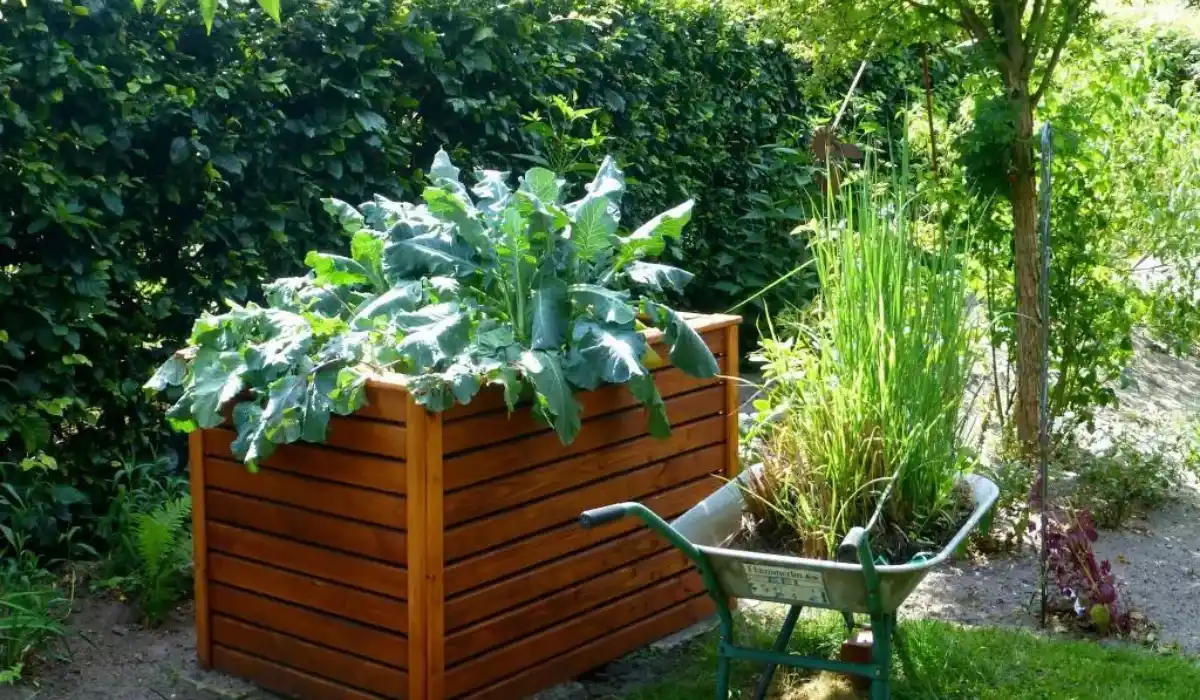
Landscaping plays a part too. Simple improvements like native plants, gravel paths, and low-maintenance greenery can dramatically boost curb appeal without requiring constant upkeep. And with water conservation becoming more important, sustainable yard design is no longer niche—it’s practical.
What’s notable is that outdoor updates often offer high return on investment. They boost the emotional and financial value of the home. You feel better while living there, and when it’s time to sell, buyers notice.
Layout Adjustments With Real-Life Goals
Most homes weren’t built with today’s needs in mind. The shift to remote work, blended families, and multi-functional rooms means the original layout often falls short. People are responding by adjusting spaces to better match how they live, not how a builder imagined they would.
Closets are becoming offices. Attics are turning into guest rooms. Basements now house gyms, hobby spaces, or even second living rooms. These conversions aren’t massive overhauls—they’re strategic changes that use existing space in smarter ways.
The result? A home that works harder. Instead of leaving square footage idle, every area supports daily routines. And the better a space matches your life, the less likely you are to feel cramped, frustrated, or ready to move.
This adaptive thinking also shows up in furniture. Modular pieces, fold-out desks, and movable dividers offer flexibility. You’re not locked into one use for a room. You can shift based on the season, your job, or family needs. It’s not about making the house bigger—it’s about making it smarter.
What Buyers and Renters Now Expect
People looking for a home today come in with a different checklist than a decade ago. Natural light ranks higher than square footage. A usable kitchen beats out a formal dining room. Energy efficiency isn’t a bonus—it’s expected. And paint that feels clean, modern, and intentional is no longer optional.
In markets across the U.S., buyers are drawn to homes that feel updated, even if nothing major has changed structurally. Small improvements—new lighting, fresh paint, updated hardware—signal care and attention. They suggest the home has been lived in, not just existed in.
This matters for renters too. Landlords who invest in small updates often find they attract more stable tenants and have shorter vacancy periods. A dated interior signals neglect. A space that looks and feels current earns more loyalty.
Shifting Mindsets, Longer-Term Thinking
The trend that ties all of this together is intention. People are less interested in decorating for show and more focused on how their spaces function. A good-looking room that doesn’t serve its purpose isn’t enough. Today’s homeowner wants design that supports wellness, calm, focus, and connection.
This mindset shift isn’t just a reaction to current events. It’s part of a broader reevaluation of priorities. After spending more time at home than ever before, people understand the value of surroundings that support them. Not impress others. Not match a trend. But serve real needs.
Improving how a home looks and feels starts with listening—to your routines, your values, your rhythms. It means choosing updates not just because they’re popular, but because they make the space more livable.
And when done right, those changes don’t just stay on the surface. They shape how you move, work, rest, and connect. The end result isn’t just a better-looking home. It’s a better place to live.
Maintenance as a Design Practice
An often-overlooked part of improving how a home looks and feels is upkeep. Not just fixing what breaks, but maintaining what works. A home that’s well cared for doesn’t just last longer—it feels better to live in. Regular touch-ups, clean filters, oiled hinges, and functional fixtures quietly influence how the space comes across. They may not draw attention, but their absence is obvious.
Treating maintenance as part of design—rather than a separate task list—helps homeowners stay ahead of problems. Instead of reacting when a faucet leaks or a window sticks, they make time for regular walk-throughs. Just like you’d review your car’s condition before a road trip, your home deserves routine attention. If something’s peeling, dimming, or wearing out, fix it before it draws focus for the wrong reasons.
This mindset also preserves the investment. Whether you’re staying put or planning to sell, a home in good condition commands more respect and a higher valuation. The little things—tight trim lines, sealed caulking, doors that close properly—signal that the entire home has been looked after. And in a competitive housing market, that level of care often tips the scale.
Future-Proofing Through Flexibility
Another aspect worth considering is how well a home adjusts to what’s next. Trends change, but life changes faster. Kids grow, work evolves, health needs shift. The more adaptable a home is, the longer it stays aligned with its owners.
Designing spaces that can shift with these phases adds longevity. A room that serves as a nursery can later become a reading space. A finished basement might work as a rec room now and a quiet office later. Even something as simple as keeping the wiring layout accessible or choosing flooring that holds up to different uses can make transitions smoother and cheaper down the line.
Thinking ahead this way doesn’t cost more—it just requires intention. And it’s that kind of forward-thinking that separates quick fixes from lasting upgrades. A home that changes with its owners doesn’t need constant renovation. It just needs space to grow.