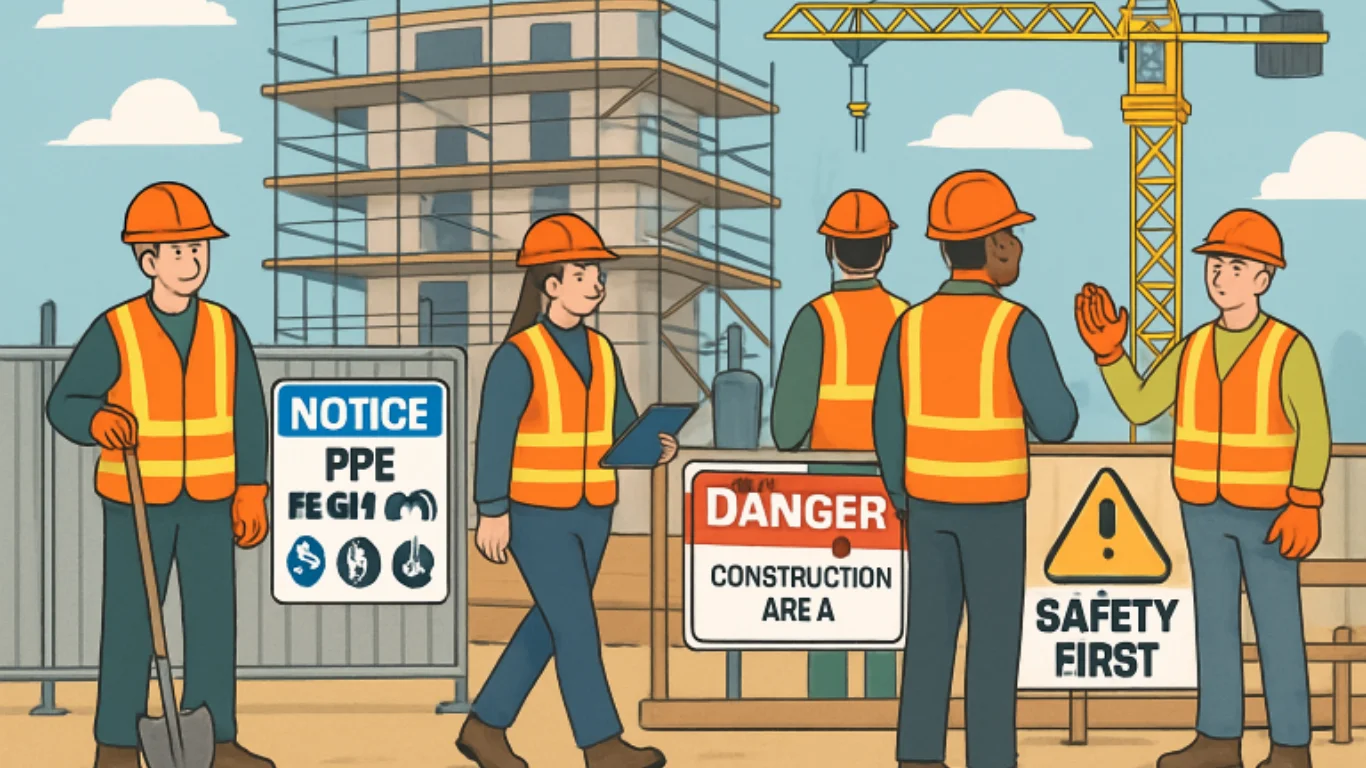
Ensuring the safety of everyone on a construction site isn’t just about compliance—it’s about creating a culture that values every worker’s health and well-being. Today, forward-thinking contractors, such as Koehn Construction, recognize that adopting best practices for hazard prevention can protect their teams, keep projects on track, and ensure they remain under budget.
Construction sites are inherently risky, but strategic safety planning, strong leadership, and proactive hazard management are powerful tools to mitigate potential dangers. By investing in robust training, utilizing modern technology, and prioritizing clear communication, companies can address hazards before they result in injuries or downtime.
Leadership should foster ongoing vigilance against all types of construction site hazards, ranging from slips and falls to chemical exposure and equipment malfunctions. Safety is a shared responsibility—effective prevention not only safeguards workers but also enhances reputation and lowers costs in the long run.
The foundation of every successful project begins with a holistic approach to risk management. When safety best practices are woven into daily routines, accidents become rare and productivity flourishes.
Comprehensive Safety Training
Regular, high-quality safety training is the frontline defense against job-related accidents. Sessions should be held at project kickoff and periodically throughout the build, focusing on site-specific hazards, protocols for lifting and equipment use, fall prevention, and the correct application of PPE. As construction standards evolve—such as those outlined by the Occupational Safety and Health Administration (OSHA)—ongoing education ensures that workers can identify risks and respond promptly to prevent incidents.
Risk Identification and Assessment
Before work begins, supervisors must conduct comprehensive risk assessments to ensure a safe working environment. These evaluations identify unique hazards posed by project design, location, and materials. As construction progresses, the environment shifts, so risk assessments should be treated as a recurring task. This proactive identification process enables teams to implement controls—from installing proper barriers to specifying procedures for handling hazardous materials—that directly address evolving risks.
Proper Use of Personal Protective Equipment (PPE)
PPE is more than a compliance checkbox—it’s a critical safety barrier that protects workers from head injuries, electrical hazards, respiratory issues, and chemical exposure. Helmets, gloves, goggles, and steel-toe boots are only truly effective when workers are adequately trained to use them. Supervisors must also establish regular inspection intervals to replace damaged or expired gear, ensuring PPE always performs as intended.
Maintaining a Clean and Organized Worksite
Tidy worksites significantly reduce trip, slip, and fall hazards. By enforcing strict storage protocols and daily clean-up routines, workers can quickly spot and eliminate debris, misplaced tools, or slick surfaces. A streamlined environment not only keeps everyone safer, but it also boosts efficiency by eliminating the clutter that disrupts workflow.
Utilizing Technology for Hazard Detection
New advancements, such as Vision Language Models (VLMs) and digital monitoring tools, enable construction teams to identify hazards before they escalate. For example, research highlighted by Automation in Construction demonstrates how VLMs analyze site imagery, flagging situations that could breach safety regulations or require immediate intervention. Coupling these digital insights with traditional hazard checks results in a more robust, real-time risk management system.
Regular Equipment Maintenance
Malfunctioning tools and machinery are significant contributors to job site injuries. Construction companies must implement rigorous maintenance schedules, adhering to manufacturer guidelines, and encourage workers to report issues early. Inspections before each use and immediate repairs of any fault prevent breakdowns that could cause injury or project delays.
Clear Communication and Signage
Communication is central to a safe site. Clear, multilingual signage alerts workers to dangers, required PPE, and emergency exits; visual cues are especially effective when tasks or risks change rapidly. Daily briefings and toolbox talks enable teams to address new concerns and review safety procedures. Open lines of communication also make it easier for employees to bring up unnoticed risks.
Emergency Preparedness
Every worker should know precisely what to do in the event of an incident. Sites must maintain up-to-date emergency response plans, including evacuation routes, assembly points, and contact procedures for paramedics or fire services. Realistic, periodic drills reinforce these steps so that, in the event of an emergency, the response is immediate and coordinated. Comprehensive planning can make the difference between a near-miss and a catastrophe.
Fostering a Culture of Safety
Preventing hazards requires an ongoing commitment from every level of the team. When supervisors and workers alike believe in, follow, and even help improve safety practices, it builds a positive workplace culture. This solidarity not only reduces the risk of severe incidents but is also proven to increase job satisfaction and retention. Leading organizations recognize that investing in worker well-being yields dividends for project success and a positive reputation.
By integrating these best practices—anchored in expert guidelines and empowered by technology—construction firms can safeguard their workers and maintain the trust of clients. In an industry where hazards are ever-present, a proactive safety strategy is the surest foundation for long-term success.