Your indoor climate depends on four forces working together: sun exposure, air leakage, moisture levels, and how you heat or cool each room. Addressing these factors in the right sequence delivers fast comfort gains without wasting money on oversized equipment or misplaced upgrades. This guide outlines a practical, evidence-based approach tailored to Australian conditions.
Heatwaves remain Australia’s deadliest natural hazard. The Australian Institute of Health and Welfare reports 7,104 injury hospitalisations and 293 deaths from extreme heat between 2012 and 2022. A 2025 analysis estimated 1,009 heatwave-attributable deaths from 2016 to 2019, disproportionately affecting older and disadvantaged communities. These figures show that getting your home comfort solutions right protects health as well as convenience.
What Comfort Really Means in Practice
Comfort at home involves more than air temperature alone; it depends on surface temperatures, air movement, and humidity as well.
When you tune all four factors together, you feel noticeably better at lower energy use. Practical targets are rooms stable at 25 to 27°C in summer and 18 to 20°C in winter, with indoor relative humidity generally between 40 and 60 percent.
Indoor air quality matters alongside temperature control. Low particulate levels during smoke events protect respiratory health, while supportive seating for older Australians improves safety and wellbeing. The goal is year-round predictability so bedrooms, living rooms, and work areas stay usable through heatwaves and cold snaps without bill shock.
Know Your Baseline in Twenty Minutes
A twenty-minute check with basic tools before purchasing anything can save hundreds of dollars in misdirected spending.
Use an indoor thermometer and a hygrometer (humidity meter) in multiple rooms at typical occupied height to capture realistic conditions. Find drafts with an incense stick or slim tissue at door bottoms, window frames, exhaust fans, and roof hatches.
Note temperatures against the 25 to 27°C summer and 18 to 20°C winter bands recommended by government guidance. Log humidity against the 40 to 60 percent comfort zone. Each degree outside these ranges can add roughly 5 to 10 percent to energy use. Document time-of-day peaks tied to east or west sun, record where glare affects comfort, and note where condensation appears after showers or overnight.
If you own a budget data logger or smart thermostat, let it record a few hot and cold days. Patterns such as a living room spiking after 3 pm or a bedroom dropping below 16°C overnight reveal whether sun, air leaks, or underpowered heating are driving discomfort. That evidence shapes which changes you tackle first.
Stop the Sun First Through Shading and Glazing
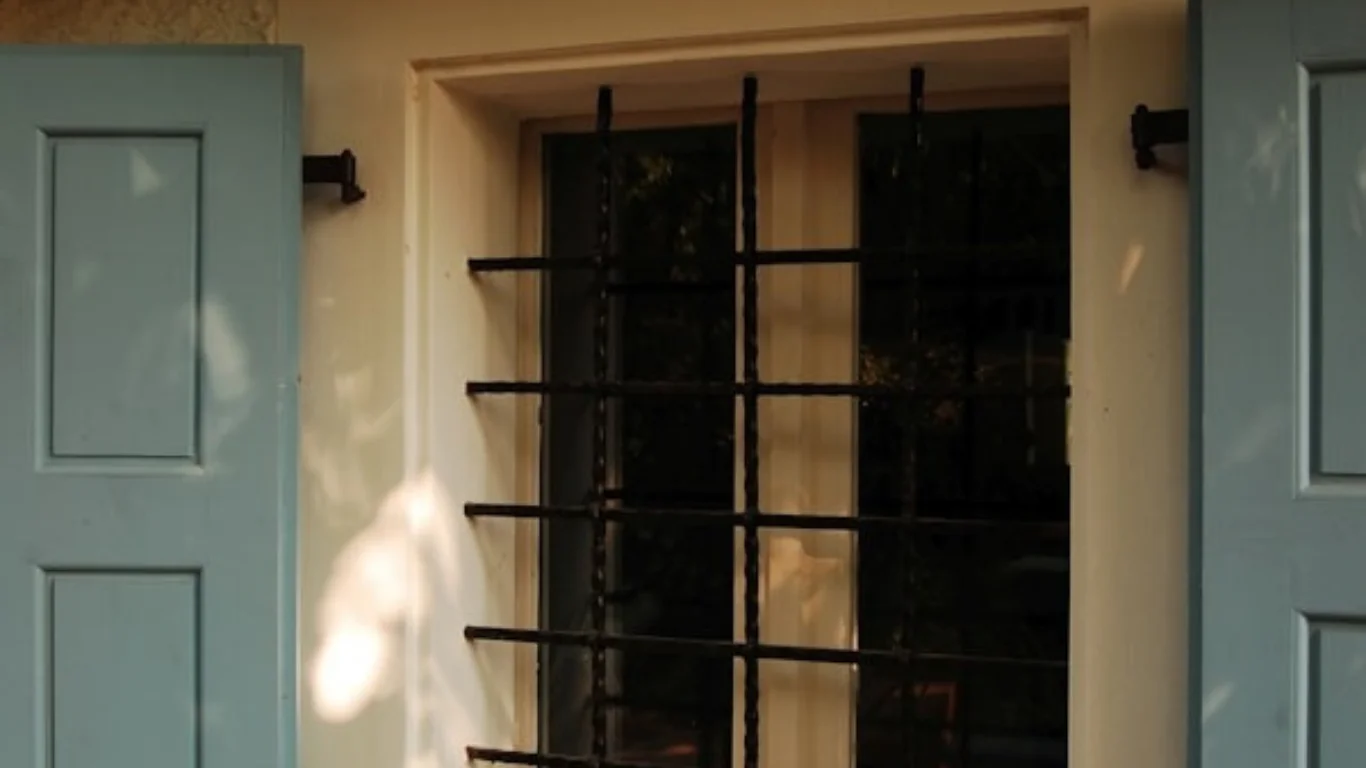
External shading that blocks sun before it reaches the glass delivers one of the biggest reductions in summer heat gain.
Well-designed external shading can block up to 90 percent of solar heat, markedly cutting summer temperatures and energy use. Windows can account for up to 87 percent of a home’s heat gain and up to 40 percent of heating energy loss, so glazing and shading improvements matter in both hot and cool weather. Prioritise east and west facades that receive punishing low-angle sun.
- Rank windows by afternoon heat and glare, and give west and north-west exposures priority for external shading
- Use adjustable awnings, vertical screens, or exterior venetians so you can tune solar control across seasons
- Size eaves for your latitude so high summer sun is excluded while lower winter sun is admitted
- Install shade sails or clip-on external shades as fast relief ahead of a forecast heatwave, especially for renters
If replacing windows is not feasible, apply external film rated for ultraviolet and solar control. Combine that with internal coverings such as lined curtains and sealed pelmets to reduce convective loops of hot or cold air at the glass.
Seal and Insulate Before Buying Big Appliances
Stopping uncontrolled air leaks and boosting insulation cuts heating and cooling loads so smaller systems can keep your home comfortable.
Draught sealing can reduce unwanted heat loss by an estimated 15 to 25 percent, improving comfort and lowering bills. Good insulation across roof, walls, and floors can save more than 50 percent of heating and cooling costs when installed to the right R-value (resistance to heat flow) for your climate.
Together, these passive improvements mean smaller, cheaper systems can maintain comfort reliably. They also make temperature more even between rooms, which helps older residents and children who are less able to regulate their body temperature.
Fit door seals and door snakes to main entries and internal doors to create basic zones. Install brush or flap seals to the tops and sides of doors and compressible seals around window sashes. Add backdraft dampers to exhaust fans and seal gaps around service penetrations, while still preserving required make-up air for gas appliances. Top up ceiling insulation to recommended R-values, ensuring clearances from downlights, transformers, and flues.
In older weatherboard or brick-veneer homes, focus on open fireplaces, underfloor gaps, and vents where cold air whistles through. Many of these leaks can be treated with purpose-made seals and covers on a weekend, while cavity wall or underfloor insulation usually needs a licensed installer.
Use Air Movement Strategically With Fans and Breeze Paths
Well-placed fans can make a room feel about 3°C cooler at very low running cost.
Ceiling or pedestal fans reduce perceived temperature by moving air across your skin and cost roughly two cents per hour to run in Australia. Combining fans with occasional air conditioning can cut cooling energy use by up to 76 percent compared with using air conditioning alone.
Treat fans as the default first step on warm days. Use them to delay switching on air conditioning, and keep them running at low speed once the room is cooled so you can raise the thermostat slightly without losing comfort.
- Install ceiling fans over beds and sofas, and choose blade sizes that suit the room dimensions
- Set fans counter-clockwise in summer for a cooling downdraft, and use a low-speed updraft in winter to mix warm air down from the ceiling
- Open windows on the cooler sides of the house and at higher levels to draw out hot air when outdoor conditions allow
- Close windows once outdoor temperature rises above indoors, and use window locks and screens so you can maintain security
When Reverse-Cycle Splits Become the Right Choice
Reverse-cycle split systems become the right choice when you still cannot reach target temperatures after shading, sealing, and insulation upgrades.
Reverse-cycle air conditioners, also called heat pumps, typically operate at roughly 300 to 600 percent efficiency because they move heat rather than generate it. This makes them the workhorse for rooms that must meet target temperatures during heatwaves and cold snaps. Size capacity only after completing sealing and shading improvements to avoid oversizing.
Arrange a room heat-load estimate (the heating and cooling demand) that considers orientation, window area, insulation levels, and air infiltration rate, which is the amount of uncontrolled air leakage after sealing work. Oversizing causes short cycling and poor humidity control, while undersizing fails in extreme weather. Mount indoor units to distribute air across the occupied zone without blasting occupants directly.
Split Air Conditioner Installation for Victorian Homes
Quality installation determines whether your new split system delivers quiet, efficient comfort or constant frustration.
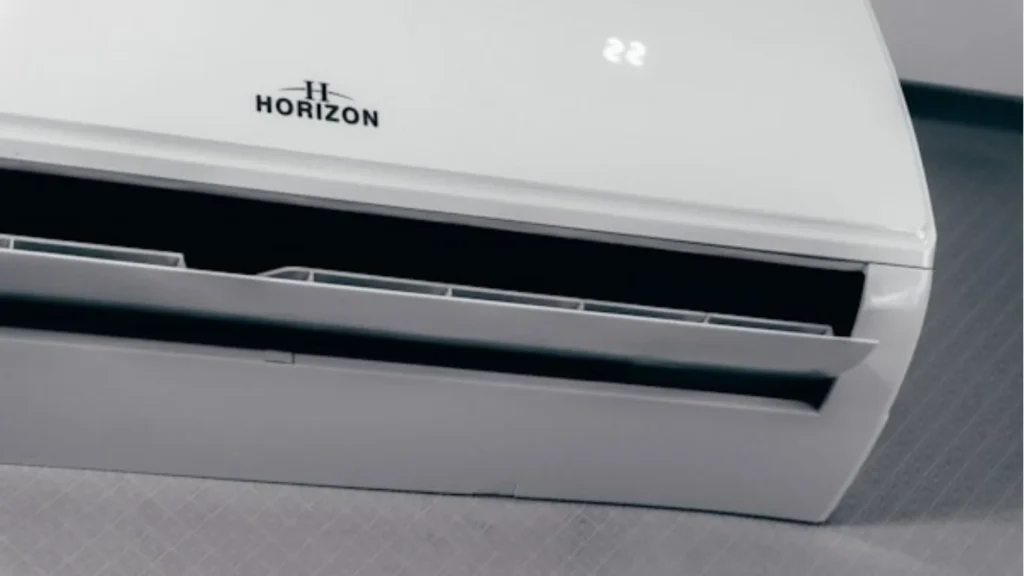
In Melbourne’s variable summers and cool winters, a correctly sized reverse-cycle split in priority rooms is often the fastest path to reliable comfort once passive improvements are complete. Professional installation ensures compliant wall penetrations, correct electrical connections, neatly routed condensate drainage, and verified refrigerant charge for efficiency and longevity.
Technicians should confirm capacity selection based on a room heat-load estimate that reflects post-sealing and shading conditions. Wall penetrations are cored with sleeves and sealed to prevent water ingress and draughts. Outdoor units are mounted level on pads or brackets with vibration isolation and adequate airflow clearance.
After installation, details like commissioning and homeowner handover make a big difference to comfort, reliability, and running costs over the years. Commissioning should verify refrigerant charge via pressure and temperature readings, check for leaks, and record baseline operating data. For Melbourne homes that need right-sized reverse-cycle cooling and heating, book split air conditioner installation to get correct sizing, placement, and commissioning for Victoria’s climate; Savage Air offers professional split-system installs in Melbourne. Installers should also demonstrate controls, quiet modes, and weekly schedules to the homeowner and advise on filter cleaning frequency.
Control Humidity to Stop Mould Before It Starts
Managing indoor moisture protects your health, your building materials, and your furniture.
Keep indoor relative humidity generally below about 60 percent to prevent mould growth and dust mite proliferation. Fix sources first, such as plumbing leaks, rising damp, poor drainage, and underperforming exhaust fans that should vent outdoors. Place hygrometers in bedrooms and living areas to track conditions over several days.
Ensure all bathroom and kitchen exhausts vent outdoors, not into roof cavities. Service reverse-cycle units so condensate drains stay clear, because blocked drains can reintroduce moisture indoors. For small mould patches, clean safely and dry the area thoroughly. For persistent or extensive mould, seek professional remediation advice from Better Health Victoria or a qualified mould specialist.
If humidity stays high despite fixing obvious sources, consider a portable dehumidifier sized for the affected room. Run it in bedrooms, laundries, or ground-floor spaces that feel clammy, and close doors and windows while it operates so it can work efficiently. In very dry homes, where humidity stays below about 30 percent, short humidifier use or drying clothes outdoors can ease dry skin and irritation.
Safeguard Indoor Air During Bushfire Smoke
During smoke events, your priority is to create at least one clean indoor space with filtered, recirculated air.
During bushfire smoke events, close windows and doors, set air conditioners to recirculate, and avoid evaporative coolers that draw outdoor air indoors. Create a designated clean room where you can maintain the best air quality by sealing obvious gaps temporarily and limiting door openings.
Simple temporary measures such as taping around window frames, using draught stoppers at doors, and covering unused wall vents can noticeably improve conditions in that room. Choose a space with few exterior leaks and no unflued gas heaters, ideally a bedroom or small living area that is easy to cool or heat. Check local air quality reports so you know when it is safe to open windows again.
- Choose a bedroom or study with few exterior leaks for your clean room
- Operate a HEPA (high-efficiency particulate air) purifier that is appropriately sized for the room’s volume
- Switch reverse-cycle units to recirculation mode during smoke events so they do not pull in outdoor air
- Replace or clean filters after smoke events to restore effectiveness and improve airflow
Recliner Chairs for Elderly Residents
Supportive seating helps older residents stay safe, independent, and comfortable when they spend long periods indoors during temperature extremes.
Power lift recliners reduce strain during sit-to-stand transfers and provide supportive rest positions during heatwaves and cold snaps when paired with good room climate control. Match seat height to the user’s popliteal height so feet plant flat when seated. Aim for a seat depth that leaves a small gap behind the knees, and select firm cushioning for reliable push-off support.
Fit and stability matter more than extra features when choosing a recliner for an older person.
Older adults often rely on one main chair for reading, resting, and watching television, so comfort and safety are critical every day. Choose models with sturdy armrests, stable bases, and intuitive remotes with large buttons that are easy to see. For mobility support and comfortable rest during heat or cold, explore recliner chairs for elderly with stable armrests and simple remotes; Back to Sleep stocks power lift recliners with remote controls designed for ease of use.
Position the chair in a thermally stable room with gentle fan airflow, a nearby light source, and easy access to climate controls. Keep children away from moving mechanisms and follow all product warnings. Inspect cables, remotes, and moving joints periodically, and consult an occupational therapist for advice if mobility, circulation, or pressure-injury risks are present.
Cost-Smart Upgrade Roadmap
Tackling comfort upgrades in the right order stretches your budget further and avoids regret purchases.
Stage your improvements to maximise comfort per dollar spent. Start with fast, low-cost wins such as sealing entry doors and the leakiest windows, adding door snakes and brush seals, installing a fan in the most-used room, and adding temporary external shading to west-facing windows.
Medium investments then deliver significant payback. Top up roof insulation to recommended R-values. Buy a HEPA purifier sized for your chosen clean room before smoke season. Deploy a dehumidifier in persistently damp rooms while improving drainage and venting to reduce runtime needs.
Targeted mechanicals come last. Right-size and place reverse-cycle splits in rooms you occupy most, commission them thoroughly, and set up simple schedules and modes that suit your routine. Consider glazing upgrades when windows reach the end of their life, and use sensors or smart thermostats to fine-tune setpoints and zoning over time.
Building Lasting Comfort Across All Seasons
Comfort that lasts comes from a combination of smart design, routine maintenance, and everyday habits, not a single big purchase.
The highest-return steps remain consistent: block sun, seal leaks, move air with fans, right-size efficient systems, control humidity, and protect indoor air during smoke events. Use your initial measurements and follow-up data to show impact through lower peak temperatures, steadier winter warmth, and reduced humidity.
Review shading and sealing after the first major heatwave or cold snap in a season. Service filters, drains, and seals before each summer and winter so systems keep performing well. Share the plan with household members so routines for fan use, thermostat setpoints, and door management remain consistent.
Over time, this staged approach builds a home that stays usable and comfortable through whatever Australian weather brings, while keeping energy use and running costs under control.