Your thriving jungle looked gorgeous in September. Lush leaves. New growth everywhere. Then winter arrived and everything changed. The leaves started yellowing. Growth stopped completely. Some plants began dropping foliage like they were giving up entirely. You didn’t change anything. So what went wrong?
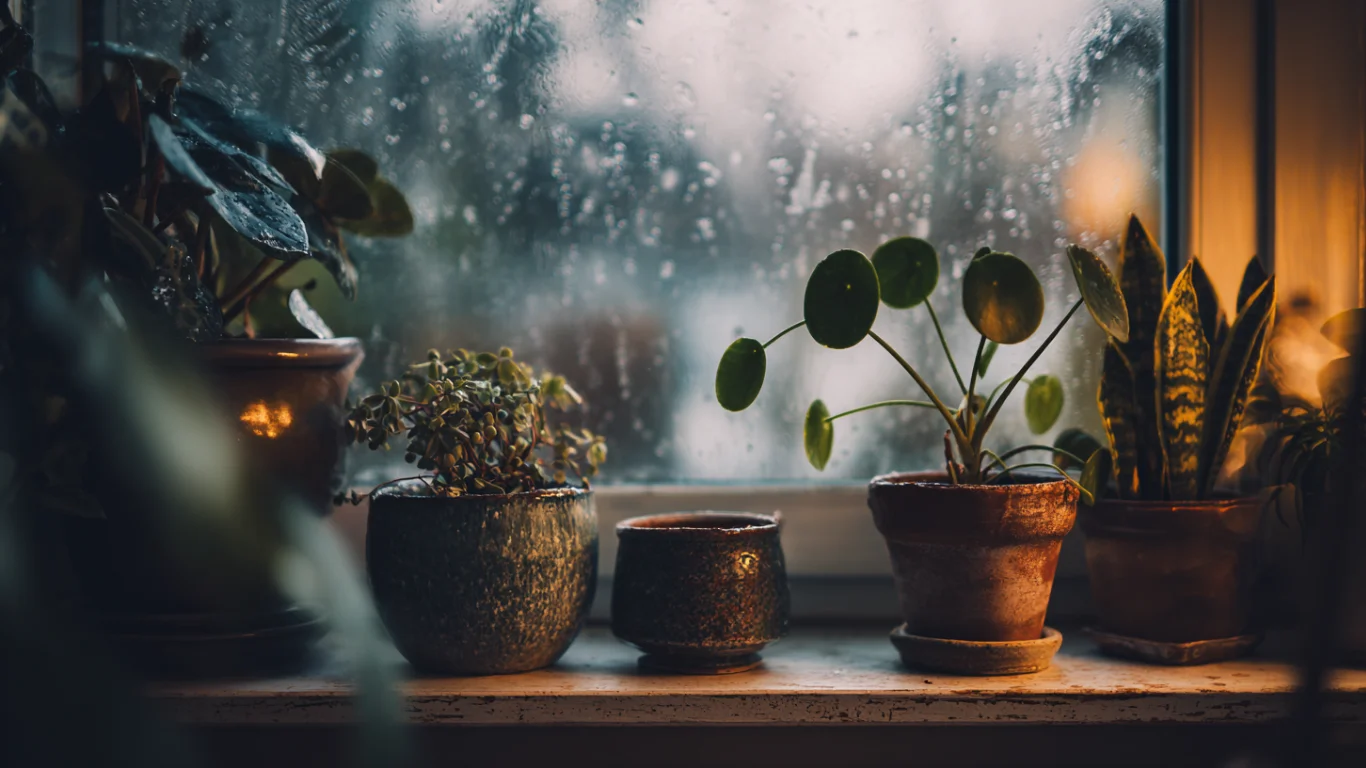
Winter transforms your home into a hostile environment for tropical plants. The air turns dry. Sunlight becomes scarce and weak. Temperatures fluctuate wildly between day and night. Cold drafts sneak through gaps you never noticed before. Homeowners researching New Jersey window replacement often discover just how much cold air their old frames let inside. Those invisible drafts that merely annoy you can devastate sensitive plants sitting on windowsills.
Understanding what winter does to your indoor environment helps you protect your green companions. The challenges are real but entirely manageable. With some adjustments to location, watering, and humidity, most houseplants survive winter beautifully. Some even thrive. The key lies in recognizing problems early and responding appropriately before stress becomes permanent damage.
Less Sunlight Means Slower Growth
Light drives everything in plant life. Photosynthesis converts sunlight into energy. Without adequate light, plants cannot produce food. They survive on reserves. They stop growing. They enter a kind of hibernation, whether you want them to or not.
Winter daylight hours shrink dramatically. Northern regions might see only nine hours of weak sun compared to fifteen hours of strong summer light. The sun sits lower in the sky, filtering through atmosphere at sharper angles. What reaches your windows carries less intensity. Plants that thrived in bright indirect light suddenly find themselves in dim conditions bordering on darkness.
Some species suffer more than others. High-light plants like fiddle leaf figs, bird of paradise, and most succulents struggle visibly. They stretch toward whatever light exists. Internodes elongate. Leaves grow smaller. Colors fade from vibrant green to pale yellow-green. Variegated plants may lose their patterns entirely as they desperately maximize chlorophyll production.
Lower-light tolerant plants handle winter better. Pothos, snake plants, ZZ plants, and peace lilies evolved in forest understories where light was always limited. They’re pre-adapted to dim conditions. But even these tough species slow down noticeably. Growth that seemed constant in summer pauses entirely in December and January.
Don’t fight this natural slowdown. Your plants aren’t dying. They’re conserving energy until conditions improve. Resist the urge to fertilize them into growing. That extra nutrition sits unused in soil, potentially burning roots or encouraging weak, leggy growth that weakens the plant overall.
Cold Drafts and Temperature Drops Near Windows
That sunny windowsill feels like the obvious spot for plants. Maximum light exposure. Perfect for photosynthesis. But winter turns windows into danger zones most plant parents don’t fully appreciate.
Glass conducts cold efficiently. Even closed windows radiate chill into the surrounding air. The temperature three inches from a window can be fifteen degrees colder than the room’s center. At night, when outdoor temperatures plummet, that difference grows even more extreme. Your thermostat reads 68 degrees. Your windowsill might hit 45.
Touch the glass on a freezing morning. Feel that cold? Now imagine leaves pressed against it for hours. Tropical plants evolved in environments where temperatures never dropped below 60 degrees. Exposing them to 40-degree surfaces causes cellular damage. Water inside leaf tissue can actually freeze, rupturing cell walls permanently.
Watch for signs of cold stress. Leaves develop dark, water-soaked patches. Edges turn brown and crispy. Growth tips blacken and die. Some plants drop leaves suddenly as a survival response. Others wilt despite moist soil because cold-damaged roots can’t absorb water properly.
Check your windows for drafts. Hold a lit candle near frames and watch for flickering. Feel along edges with your bare hand on cold days. Even small air leaks create localized cold zones that stress nearby plants. Weather stripping helps temporarily. But severely drafty windows require more permanent solutions to protect both your plants and your heating bills.
Dry Air From Heating Systems
Central heating saves us from freezing. It also creates desert conditions inside our homes. Alternatively, you can use a grow tent heater. Furnaces and radiators strip moisture from the air ruthlessly. Humidity that hovered around 50 percent in summer can crash to 20 percent or lower in winter. That’s drier than the Sahara.
Most popular houseplants originated in tropical or subtropical regions. They evolved surrounded by moisture. Rainforest floors maintain 70 to 80 percent humidity consistently. Even plants from drier climates typically experience more humidity than a heated winter home provides.
The symptoms appear gradually. Leaf tips turn brown and crispy. Edges curl inward. New growth emerges stunted or deformed. Spider mites suddenly explode in population because they thrive in dry conditions. Buds drop before opening. Leaves develop a dull, dusty appearance that no amount of cleaning fixes.
Some plants protest loudly. Calatheas crisp up dramatically. Ferns turn brown almost overnight. Boston ferns in particular seem to shrivel the moment furnaces kick on. Other species suffer silently, slowly declining without obvious distress signals until damage becomes severe.
Your skin and sinuses probably feel winter dryness too. If you’re reaching for lotion constantly and waking with scratchy throats, your plants are definitely struggling. The discomfort you experience hints at what your tropical companions endure continuously from November through March.
Moving Your Plants to Safer Spots
Location matters more in winter than in any other season. That perfect summer spot might become dangerous once temperatures drop. Rethinking placement saves plants from unnecessary stress.
Pull plants back from cold windows. Even a few inches creates a meaningful temperature difference. The light reduction hurts less than cold damage would. A plant surviving in slightly dimmer conditions beats a plant dying from frozen roots.
Seek out warm microclimates in your home. South-facing rooms capture maximum winter sun. Spots near interior walls stay warmer than exterior ones. Areas above refrigerators or near water heaters provide gentle warmth. Kitchens and bathrooms often maintain higher humidity than other rooms.
Avoid placing plants near heating vents. That blast of warm air feels pleasant to you but devastates tropical foliage. Direct heat desiccates leaves rapidly. The constant airflow accelerates moisture loss from soil and tissue alike. Plants near vents often show browning on the side facing the heat source.
Consider artificial light supplementation for high-light plants. Simple grow lights extend effective daylight hours. Position them six to twelve inches above foliage. Run them eight to twelve hours daily to compensate for the weak winter sun. Modern LED options use minimal electricity and generate little heat.
Group plants away from exterior doors. Every opening lets cold air rush inside. That brief blast during comings and goings stresses nearby plants repeatedly. Entryways and mudrooms make terrible winter plant locations despite whatever light they might offer.
Simple Ways to Increase Humidity Indoors
Boosting moisture levels helps plants and humans alike. Several strategies work effectively. Combining multiple approaches yields the best results.
Grouping Plants Together
Plants release moisture through transpiration constantly. Each leaf exhales water vapor as part of normal photosynthesis. When plants sit isolated throughout a room, that moisture disperses immediately. But clustered plants create their own humid microclimate. The water vapor released by each plant benefits its neighbors.
Arrange collections on trays or tables rather than scattering them across rooms. The combined transpiration raises local humidity significantly. Larger plants contribute more moisture than smaller ones. Including a few big specimens in your grouping amplifies the effect.
This approach costs nothing and requires minimal effort. Simply reorganize what you already own. The visual impact often improves too. Clustered plants create lush jungle vibes that scattered specimens cannot achieve. Your winter survival strategy becomes a design upgrade simultaneously.
Using Pebble Trays and Misters
Pebble trays provide a passive humidity boost beneath individual plants. Fill shallow trays with stones or pebbles. Add water until it reaches just below the pebble surface. Set pots on top so they sit above water, not in it. As water evaporates, humidity rises directly around foliage.
Refill trays regularly. Dry pebbles do nothing. Check water levels every few days and top off as needed. Clean trays monthly to prevent algae growth and mineral buildup. Replace pebbles annually if they become slimy or discolored.
Misting offers immediate but temporary relief. Fine water droplets on leaves feel refreshing. But the moisture evaporates within minutes. You’d need to mist every few hours to maintain meaningful humidity increases. Most plant owners lack that dedication. Misting works best as a supplement to other methods rather than a primary solution.
Watch for fungal problems if misting frequently. Water sitting on leaves encourages disease in some species. Plants with fuzzy leaves, like African violets, hate wet foliage. Mist early in the day, so leaves dry before cooler evening temperatures arrive.
Adding a Humidifier to the Room
Humidifiers deliver the most reliable results. They raise ambient moisture throughout entire spaces. Every plant benefits. Your skin and respiratory system benefit too. Running a humidifier through winter improves comfort for all living things in your home.
Cool mist models work safely around plants and children. Warm mist units also work but require more careful placement. Both types need regular cleaning to prevent mold growth inside reservoirs. Follow manufacturer guidelines for maintenance.
Position humidifiers near plant groupings for maximum effect. Aim for 40 to 50 percent relative humidity. Inexpensive hygrometers monitor levels accurately. Some humidifiers include built-in humidity sensors that maintain target levels automatically.
Size matters. Small desktop units help individual plants or tight groupings. Whole-room humidifiers serve larger collections. Console units can humidify entire floors of homes. Match capacity to your space and plant population for optimal results.