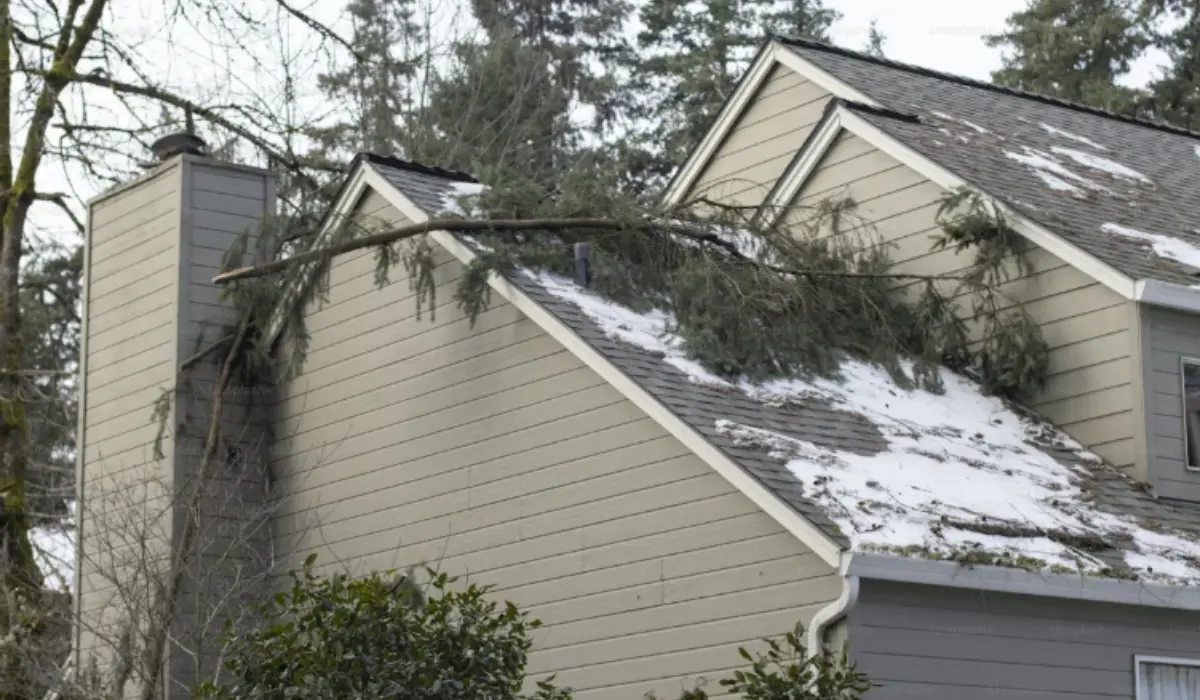
Water damage can hit unexpectedly. It could be the result of burst pipes, severe storms, overflowing appliances, or hidden leaks behind walls. The destruction isn’t just cosmetic. Water seeps into materials, encourages harmful mold growth, and undermines structural stability.
But does a water disaster have to be the end of your home? Not at all! With the right planning, insight, and help from experienced professionals, this challenging moment can become a turning point. Instead of just repairing what was lost, you can redesign your space to be stronger, safer, and more beautiful than before.
Let’s explore exactly how you can do this.
Act Fast: The First Steps After Water Damage
When water damage strikes, you must act quickly. The longer moisture sits inside your home, the more it spreads into walls, floors, and structural materials. First, make the space safe. Shut off the main water supply if the source remains active, and turn off electricity in affected areas to avoid hazards. Take clear photos and videos to document the damage. You’ll need these for insurance purposes. After that, remove small personal items that could worsen if left damp. Even at this early stage, avoid attempting deep cleanup on your own, as hidden moisture can cause problems you may not see right away.
Restore the Damage with Expert Professionals
Before you think about redesigning or repairs, proper restoration must come first. Water damage often goes far beyond surface-level issues, soaking into insulation, drywall, and framing. This trapped moisture can quickly lead to mold growth and lingering odors. Professional restoration companies like Eco Clean Restoration specialize in water damage cleanup, drying, and mold remediation. Their trained technicians use professional-grade equipment to remove water, dry affected areas thoroughly, and address contamination safely.
Hiring experienced professionals ensures the damage is handled correctly from the start, reducing the risk of recurring problems and giving you a clean foundation to rebuild with confidence.
Inspect Structural Integrity
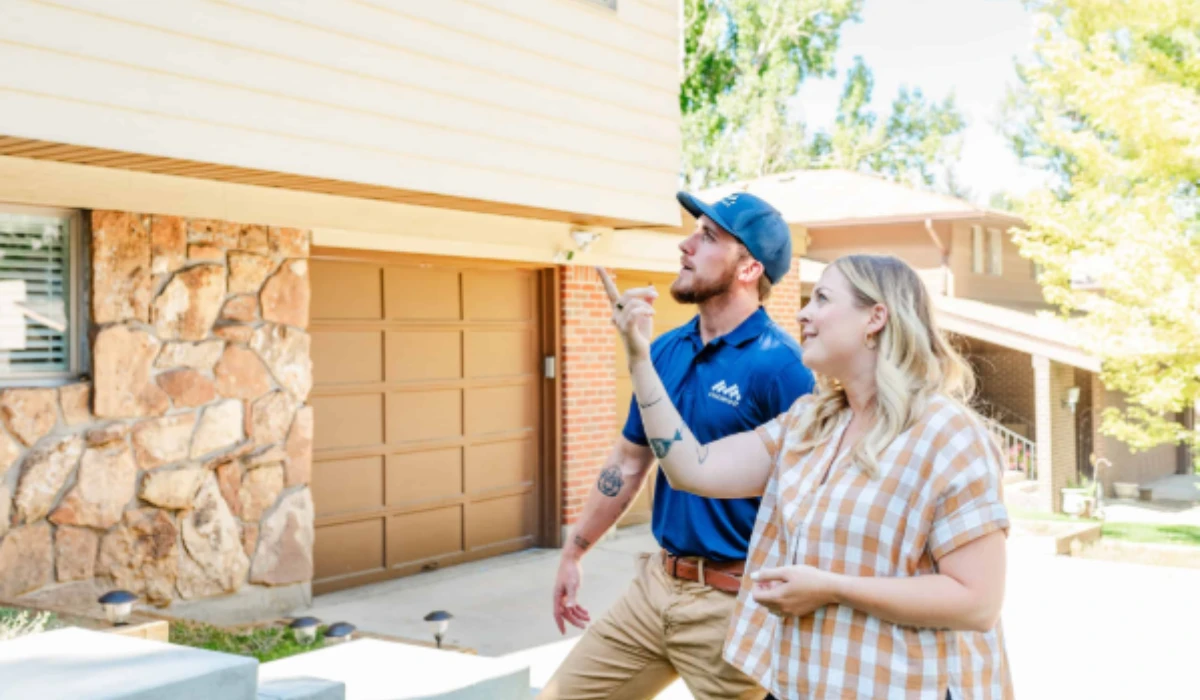
Once major water issues like mold are addressed, the next step involves understanding what parts of your home remain structurally sound. Water can weaken wooden beams, warp subfloors, and compromise drywall and ceilings. A professional inspection helps determine which materials can stay and which must be replaced. This step prevents future safety issues and ensures that any redesign work rests on a stable structure. Skipping this assessment may lead to cracks, sagging floors, or hidden damage that resurfaces months later.
Rethink Your Floor Plan and Layout
Once damaged materials are removed, think positively. This is an opportunity to rethink how your space functions. It’s time to consider whether your current layout truly fits your needs. You might choose to open up rooms, improve traffic flow, or redesign kitchens and bathrooms for better usability. Because walls and flooring may already be exposed, making layout adjustments can be more efficient now than during a standard renovation. Thoughtful planning at this stage helps create a home that feels more practical and comfortable moving forward.
Choose Materials Wisely for Durability
After water damage, material choices matter more than ever. The goal is not only to rebuild but to reduce the risk of future issues. Many traditional materials absorb moisture easily and break down when exposed to water. During redesign, opt for materials that handle humidity and minor leaks without damage. Tile, stone, sealed concrete, and luxury vinyl flooring hold up far better than standard hardwood or carpet in moisture-prone areas. In walls and ceilings, moisture-resistant drywall and mold-inhibiting primers add another layer of protection. These choices do not limit design options; instead, they provide peace of mind while maintaining a clean, modern look throughout your home.
Upgrade Utilities for Protection and Efficiency
Water damage often affects plumbing, electrical systems, and HVAC components. Replacing damaged systems offers an opportunity to improve safety and efficiency at the same time. Aging pipes may need upgrading to reduce the risk of future leaks, while electrical wiring exposed to water should always be evaluated and replaced if necessary. This stage is also ideal for installing updated drainage systems, sump pumps, or backflow valves where needed. Improving ventilation and upgrading HVAC components can help regulate humidity and prevent moisture buildup. These changes protect your home while lowering long-term maintenance concerns.
Integrate Smart and Safe Features
Modern technology can play a valuable role in protecting your home after water damage. Smart moisture sensors can detect leaks early and send alerts before damage spreads. Automatic water shutoff systems can stop major leaks when no one is home, preventing extensive damage. Other than that, humidity monitoring systems help maintain healthier indoor conditions, especially in basements or bathrooms. These features work quietly in the background, adding security without disrupting daily life. Integrating them during the redesign phase keeps installation simpler and more cost-effective.
Refresh Aesthetics: Design With Resilience in Mind
Once structural and protective elements are in place, you can focus on how your home looks and feels. Water damage can leave a space feeling worn or tired, but redesign allows for a fresh start.
Choose finishes that combine style with practicality, such as washable paints, sealed surfaces, and durable cabinetry materials. Neutral color palettes often work well after restoration, as they reflect light and make spaces feel open and calm. You need to make design choices that help restore comfort and turn the rebuilding process into a positive transformation rather than a reminder of loss.
Finally, Make Quality Checks
Before settling back into your redesigned home, take time for a detailed walkthrough. Check that all repairs meet safety standards and that systems operate correctly. Doors should open smoothly, flooring should feel solid underfoot, and ventilation should function properly. This step ensures that everything works together as intended and that no lingering issues remain hidden. Addressing small concerns now avoids disruptions later and allows you to enjoy your space without constant worry.
Redesigning a home after water damage is not just about restoring what was lost; it is about building confidence in your space again. The choices you make during this stage shape how secure, comfortable, and resilient your home feels for years to come. By focusing on durability, thoughtful upgrades, and modern safeguards, you create an environment that supports daily life rather than causing concern. When done with care, the result is not just a repaired home, but a renewed sense of control and stability.