As pickleball’s popularity rises across communities, enthusiasts are increasingly seeking ways to bring the game closer to home. Whether you’re dreaming of a backyard court or want to convert a space at your local park, knowing the essentials for a regulation setup delivers the best experience for everyone. If you’re budgeting out your project, see this guide on the cost of building a pickleball court to get started smartly.
The process of creating a pickleball court doesn’t have to be overwhelming, but a few foundational decisions make a major difference. Choosing the location, understanding the standard dimensions, and knowing the best marking techniques are just the beginning. Creating a setup that meets your needs while adhering to the game’s standard rules results in safer, more enjoyable matches for all skill levels.
- Choose a flat, hard surface for your court.
- Standard court dimensions are 20 feet by 44 feet.
- Use chalk or tape for temporary lines; paint for permanent ones.
- Invest in a quality net system.
- Ensure proper lighting for evening play.
Choosing the Right Location
Your first step in building a pickleball court is to secure a flat, firm location. Driveways, existing tennis courts, or even parking lots can serve as ideal surfaces when leveled properly. Safety and comfort are critical. A recommended minimum buffer zone is 5 feet on each side and 10 feet behind the baselines, providing players with plenty of room for movement and reducing the risk of running into obstacles or boundaries.
Accessibility is also worth considering. Courts that are easy to reach, especially for group play and events, increase the court’s value within your community. Think about spaces that are clear of overhead obstructions and allow for good drainage after rain, so play isn’t interrupted for long periods due to weather.
Understanding Court Dimensions
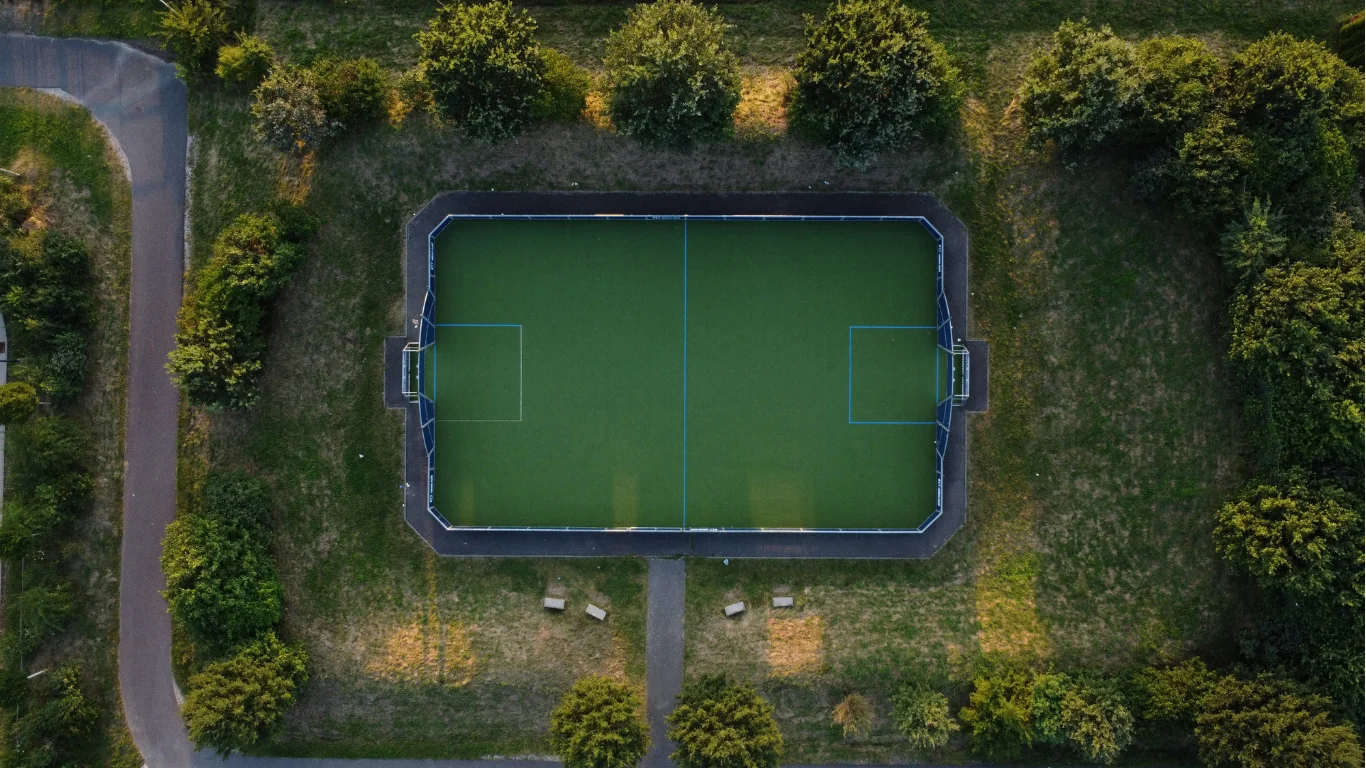
To ensure consistent play, adhere to standard court measurements: a pickleball court is 20 feet wide and 44 feet long. These dimensions include sidelines, baselines, and the “kitchen,” or non-volley zone, which extends 7 feet from the net on each side. For a safe and functional playing area, the recommended total footprint, including out-of-bounds space, is 30 feet by 60 feet. If you’re converting a space like an old basketball or tennis court, verify that the intended area meets these requirements before marking out the lines.
Marking the Court
Defining court boundaries accurately is essential for fair play and organized games. For a temporary setup, such as courts in multi-use facilities, chalk or painter’s tape is both practical and inexpensive. Chalk is best for short-term use but can fade after rain, requiring regular touch-ups. Tape is more durable, especially indoors, but must be applied and removed carefully to avoid damaging the surface beneath.
For permanent outdoor courts, invest in painting the lines with acrylic-based paint. All court lines should be 2 inches wide and clearly visible against the playing surface. Before painting, ensure the surface is clean, dry, and properly prepped to ensure paint durability throughout different seasons. A clean, well-marked court improves gameplay and helps minimize disputes over boundaries.
Installing the Net
No pickleball court is complete without a regulation net. The official height is 36 inches at each sideline and 34 inches in the center. For temporary courts, free-standing portable nets are widely available, quick to set up, and easy to store away. Permanent installations often use in-ground posts, which offer added stability and last for years when properly maintained. Whatever type you choose, make sure the net is taut and centered within the marked boundary lines for accurate play.
For a detailed breakdown of net types and installation best practices, check out this guide to portable pickleball nets to find the best option for your needs.
Surface Preparation
Permanent courts should be built on a solid, level foundation. Concrete is the preferred material for its durability, weather resistance, and ease of maintenance. Asphalt is an alternative that’s often used for multi-purpose spaces. It’s important to ensure the surface is not only level but also slightly sloped—typically about one inch every 10 feet for drainage. Adding an acrylic coating enhances non-slip performance and extends the court’s lifespan, making matches safer and reducing unnecessary injuries.
Lighting Considerations
Evening play requires high-quality, consistent lighting. LED floodlights are a popular choice thanks to their energy efficiency and ability to minimize glare. The goal is to provide even light coverage that reduces shadows across the playing surface and ensures players can spot the ball from any angle. Lighting systems should be placed high enough to illuminate the entire court without shining directly into players’ eyes, making nighttime matches as enjoyable and safe as those played during the day.
Additional Features
Enhancing your court with features like fencing and windbreakers can greatly improve the player experience and safety. Fencing—ideally 10 feet tall and constructed of chain-link prevents stray balls from leaving the area and provides a secure perimeter. In windy areas, installing fabric or mesh windbreakers along the fence helps maintain consistent ball flight and improves match quality even in blustery conditions.
By following these guidelines for location, dimensions, markings, net setup, surface preparation, and lighting, you’ll have a pickleball court that brings the fun and energy of this fast-growing sport right to your property. Prioritize player comfort and safety, and your court will become a hub for family, friends, and community fun for years to come.