Ecological restoration plays a vital role in repairing damaged ecosystems and bringing nature back into balance. Human activities such as urban development, deforestation, pollution, and agriculture often disturb natural habitats. Restoring these areas helps improve biodiversity, stabilize soil, improve water quality, and support wildlife.
Plants are the foundation of any successful restoration project. Choosing the right species ensures long-term stability and natural regeneration of the ecosystem. This article explains the 5 best plants for ecological restoration, why they matter, and how they contribute to healthier environments. It also highlights the importance of Wetland Plants in restoring fragile and water-dependent ecosystems.
Understanding Ecological Restoration
Ecological restoration is the process of assisting the recovery of ecosystems that have been degraded or destroyed. The goal is not just to plant greenery, but to rebuild natural systems that can sustain themselves over time. This includes restoring soil health, water cycles, native species, and ecological balance.
Plants used in restoration must be hardy, adaptive, and suitable for the local environment. Native species are preferred because they support local wildlife and require less maintenance. Many Wetland Plants are especially important because wetlands are among the most threatened ecosystems on the planet.
Why Plants Are Critical for Restoration
Plants are the backbone of every ecosystem. They stabilize soil, prevent erosion, filter water, and provide food and shelter for animals. Without the right plant species, restoration efforts often fail or require constant human intervention.
In restoration projects, plants act as natural engineers. Deep roots improve soil structure, leaves reduce water runoff, and vegetation regulates temperature. Wetland Plants are particularly powerful because they improve water quality while supporting aquatic and terrestrial life.
Native Grasses – Restoring Soil and Stability
Native grasses are one of the most effective tools for ecological restoration. They grow quickly, establish strong root systems, and adapt well to local conditions. These grasses help prevent soil erosion and rebuild degraded land.
Their deep roots improve soil structure and allow water to infiltrate more efficiently. Native grasses also provide habitat for insects, birds, and small animals. In wetland and flood-prone areas, native grasses often work alongside Wetland Plants to stabilize shorelines and manage water flow.
Benefits of Using Native Grasses
Native grasses require less fertilizer and irrigation once established. They are resistant to pests and climate extremes, making them ideal for long-term restoration. Their natural growth patterns also allow other native plants to return over time.
In large-scale restoration projects, native grasses act as pioneer species. They prepare the land for trees, shrubs, and Wetland Plants by improving soil health and reducing invasive species pressure.
Willows – Natural Water and Soil Managers
Willows are fast-growing trees commonly used in restoration near rivers, streams, and wetlands. They thrive in moist soil and help control erosion along waterways. Their roots bind soil tightly, preventing land loss during floods.
Willows also improve water quality by filtering pollutants and sediments. They provide shade that cools water, benefiting fish and aquatic organisms. Because of these qualities, willows are often planted alongside Wetland Plants to strengthen riparian and wetland ecosystems.
Ecological Value of Willows
Willows support a wide range of wildlife, including birds, insects, and amphibians. Their leaves and branches provide food and nesting materials. They also play a role in stabilizing riverbanks and restoring natural water flow.
In restoration projects, willows are valuable because they establish quickly. When combined with Wetland Plants, they help rebuild ecosystems that are resilient to flooding and climate change.
Reeds and Sedges – Essential Wetland Restorers
Reeds and sedges are among the most important Wetland Plants used in ecological restoration. They grow in shallow water or saturated soil and are vital for restoring marshes, swamps, and floodplains. These plants help trap sediments and reduce water pollution.
Their dense root systems improve water filtration and reduce nutrient overloads. Reeds and sedges also create habitat for birds, fish, and insects. In wetland restoration, these Wetland Plants are often the first species introduced to stabilize the environment.
Role of Reeds and Sedges in Water Quality
Reeds and sedges absorb excess nutrients such as nitrogen and phosphorus. This reduces algae growth and improves oxygen levels in water. Their presence helps prevent eutrophication, a common problem in degraded wetlands.
By slowing water movement, these Wetland Plants reduce erosion and allow sediments to settle. This creates clearer water and healthier aquatic ecosystems over time.
Mangroves – Coastal Ecosystem Protectors
Mangroves are vital for restoring coastal and estuarine ecosystems. They grow in salty, tidal environments and protect shorelines from erosion and storm damage. Their complex root systems reduce wave energy and trap sediments.
Mangroves are among the most powerful Wetland Plants for climate resilience. They store large amounts of carbon, making them important in climate change mitigation. Restoring mangroves helps protect coastal communities and marine life.
Importance of Mangroves in Restoration
Mangroves provide nursery habitats for fish and crustaceans. Many commercial fisheries depend on healthy mangrove ecosystems. Birds and other wildlife also rely on these plants for shelter and food.
In ecological restoration, mangroves help rebuild entire coastal systems. When planted correctly with other Wetland Plants, they create long-lasting and self-sustaining ecosystems.
Native Trees – Long-Term Ecosystem Recovery
Native trees play a critical role in ecological restoration by providing long-term structure and stability. They improve air quality, regulate temperature, and support diverse wildlife populations. Trees also help restore natural nutrient cycles.
In wet or flood-prone areas, native trees are often planted with Wetland Plants to create layered ecosystems. This combination supports birds, insects, and mammals while improving soil and water conditions.
Why Native Trees Matter
Native trees are adapted to local climates and soil types. They require less maintenance and are more resistant to pests and diseases. Their roots stabilize soil and reduce erosion over decades.
By planting native trees alongside Wetland Plants, restoration projects achieve greater biodiversity and long-term success. Trees ensure that restored ecosystems continue to evolve naturally.
How Wetland Plants Support Biodiversity
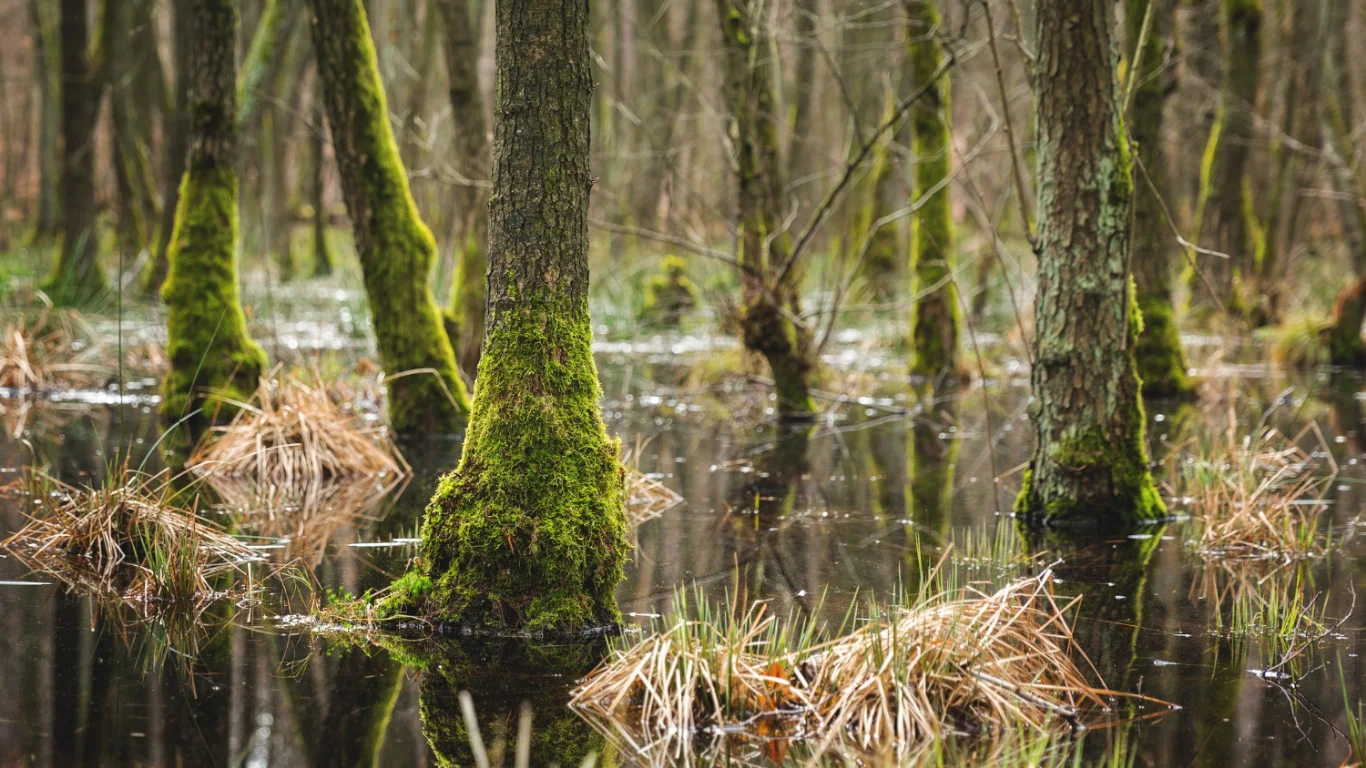
Wetland ecosystems are among the most productive environments on Earth. Wetland Plants provide food, shelter, and breeding grounds for countless species. Birds, amphibians, fish, and insects all depend on healthy wetlands.
These plants also create transitional zones between land and water. This diversity of habitats increases species richness and ecological resilience. Using Wetland Plants in restoration helps rebuild complex food webs.
Soil Improvement Through Restoration Plants
Many restoration plants improve soil quality naturally. Deep roots break compacted soil and increase oxygen levels. Leaf litter adds organic matter and nutrients back into the ground.
Wetland Plants are especially effective at improving soil in waterlogged areas. They stabilize sediments and create conditions suitable for other plants to grow. Over time, soil becomes healthier and more fertile.
Water Management and Flood Control
Plants play a major role in managing water movement. Vegetation slows runoff, reduces flooding, and improves groundwater recharge. In wetland areas, Wetland Plants act like natural sponges.
They absorb excess water during heavy rainfall and release it slowly during dry periods. This natural water regulation reduces damage to surrounding ecosystems and human infrastructure.
Choosing the Right Plants for Restoration Projects
Successful restoration depends on selecting plants suited to the site’s conditions. Factors like soil type, water availability, climate, and native species must be considered. Using non-native plants can cause long-term ecological problems.
Wetland Plants should be chosen carefully based on water depth and flow. Matching plant species to the environment increases survival rates and reduces maintenance needs.
Common Mistakes in Ecological Restoration
One common mistake is planting without understanding local ecosystems. Introducing the wrong species can harm biodiversity and slow recovery. Another mistake is ignoring long-term maintenance during early establishment stages.
Overlooking Wetland Plants in water-related restoration is another major error. Wetlands require specialized plants to function properly. Without them, restoration efforts often fail.
Long-Term Benefits of Ecological Restoration
Restored ecosystems provide clean water, fertile soil, and stable habitats. They also improve human well-being by reducing pollution and supporting agriculture and fisheries. Ecological restoration is an investment in the future.
Wetland Plants contribute significantly to these benefits. They improve water quality, reduce flood risks, and support wildlife. Healthy ecosystems are more resilient to climate change and natural disasters.
Conclusion
Ecological restoration depends heavily on choosing the right plants. Native grasses, willows, reeds and sedges, mangroves, and native trees are among the best options for restoring damaged ecosystems. Each plant plays a unique role in rebuilding soil, managing water, and supporting biodiversity.
Wetland Plants are especially important because wetlands protect water resources and wildlife. By using the right plant species and understanding ecological processes, restoration projects can create self-sustaining and resilient ecosystems. Restoring nature through plants not only heals the environment but also supports a healthier future for people and wildlife alike.