Owning a home in a place like Naperville comes with a sense of pride, comfort, and stability. It’s where routines take shape, memories grow, and life settles into a familiar rhythm. But while homeowners often focus on décor, upgrades, and curb appeal, one important habit tends to get overlooked—actually paying attention to minor problems. Homes don’t fail overnight. They give warnings long before small issues become expensive repairs. The challenge is knowing which signs matter and when to act.
This article explores common warning signals your home may be giving you and explains how recognizing them early can save time, money, and stress.
Signs of Pest Infestation You Need to Address Early
Pest activity tends to increase during the humid summer months in Naperville, making early detection especially important. Small droppings near cabinets, scratching sounds behind walls, or damaged wood often signal unwanted guests. Insects may leave behind shed wings, grease marks, or tiny holes in walls and furniture. Rodents often nest in attics, basements, or crawl spaces, where they cause damage quietly. While traps or sprays may seem helpful at first, recurring signs usually mean the infestation has grown beyond basic solutions. At that point, professional help becomes necessary. If you’re looking for professionals for pest control Naperville has some of the best options. These experts know how to identify the source and stop the problem safely.
Unusual Sounds You Shouldn’t Ignore
Every home makes noise, but some sounds deserve closer attention. Banging pipes, persistent tapping, or rattling vents often signal issues that won’t resolve on their own. A loud knock when the water shuts off may point to pressure problems in plumbing. Whistling near windows or walls can suggest air leaks or gaps that affect insulation. Even creaking floors or popping sounds may indicate structural stress rather than normal settling. When these noises repeat or grow louder over time, the home is communicating that something needs inspection. Acting early can prevent minor issues from becoming expensive repairs.
Cracks That Keep Growing
Not every crack signals danger, but changes matter. Hairline cracks can form as a house settles, yet cracks that widen or lengthen over time often point to structural movement. Cracks around door frames, ceilings, or foundations deserve attention, especially if they appear suddenly. Moisture infiltration can weaken materials and worsen these gaps. Temperature changes and shifting soil also contribute to movement. Monitoring cracks helps determine whether they remain stable or signal a deeper issue. When cracks continue to spread, a professional assessment can prevent long-term damage.
Doors and Windows That Suddenly Stick
Doors and windows should open smoothly. When they suddenly stick or fail to close properly, the issue often extends beyond simple humidity. Warping from moisture exposure can cause frames to shift. Foundation movement may also affect alignment, leading to gaps or friction. While seasonal changes can cause minor swelling, persistent problems usually suggest structural stress. Addressing the cause early helps maintain both function and safety.
Unexpected Changes in Utility Bills
A sudden increase in utility bills often signals trouble hidden behind walls or beneath floors. Higher water bills may point to leaks that never reach the surface. Running toilets, slow drips, or cracked pipes can waste large amounts of water without obvious signs. Rising energy costs may come from inefficient appliances, failing HVAC systems, or damaged insulation. When usage habits stay the same, but costs climb, the home is signaling inefficiency or loss. Reviewing bills regularly helps spot these patterns early and prompts timely inspections.
Electrical Issues That Appear Out of Nowhere
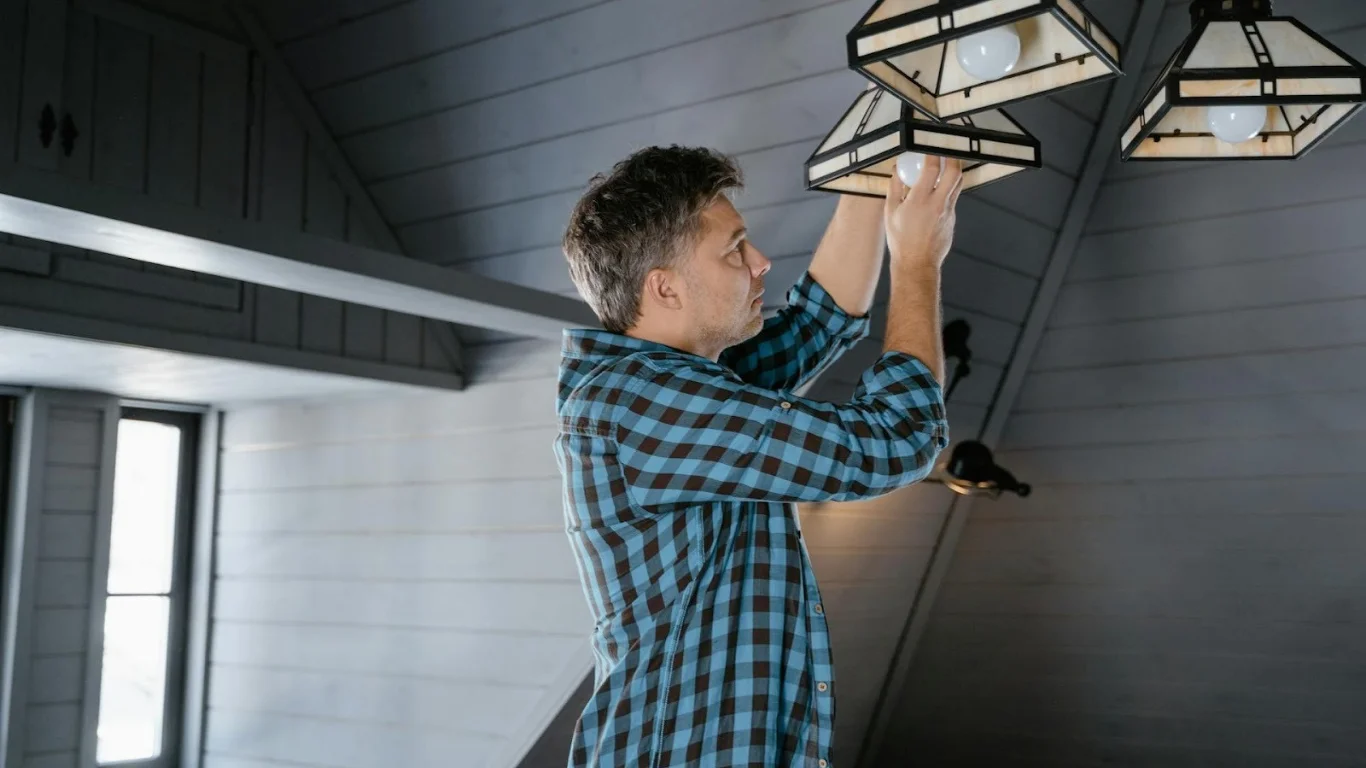
Electrical systems often show stress through small disruptions. Flickering lights, outlets that stop working, or breakers that trip repeatedly suggest overloaded circuits or aging wiring. Warm outlets or switches indicate a serious issue that requires immediate attention. Electrical problems rarely fix themselves and can escalate quickly. Ignoring them increases the risk of damage or safety hazards. Prompt evaluation by a qualified professional ensures the system functions safely and meets current demands.
Uneven Floors or Soft Spots
Floors should feel stable and level. When certain areas dip, slope, or feel soft underfoot, the cause often lies beneath the surface. Moisture damage, weakened subflooring, or structural shifts can all create uneven flooring. These issues may begin small but worsen as weight and movement continue. In some cases, pests or leaks compromise support beams. Early investigation helps preserve the integrity of the structure and prevents further deterioration.
Exterior Changes That Signal Interior Trouble
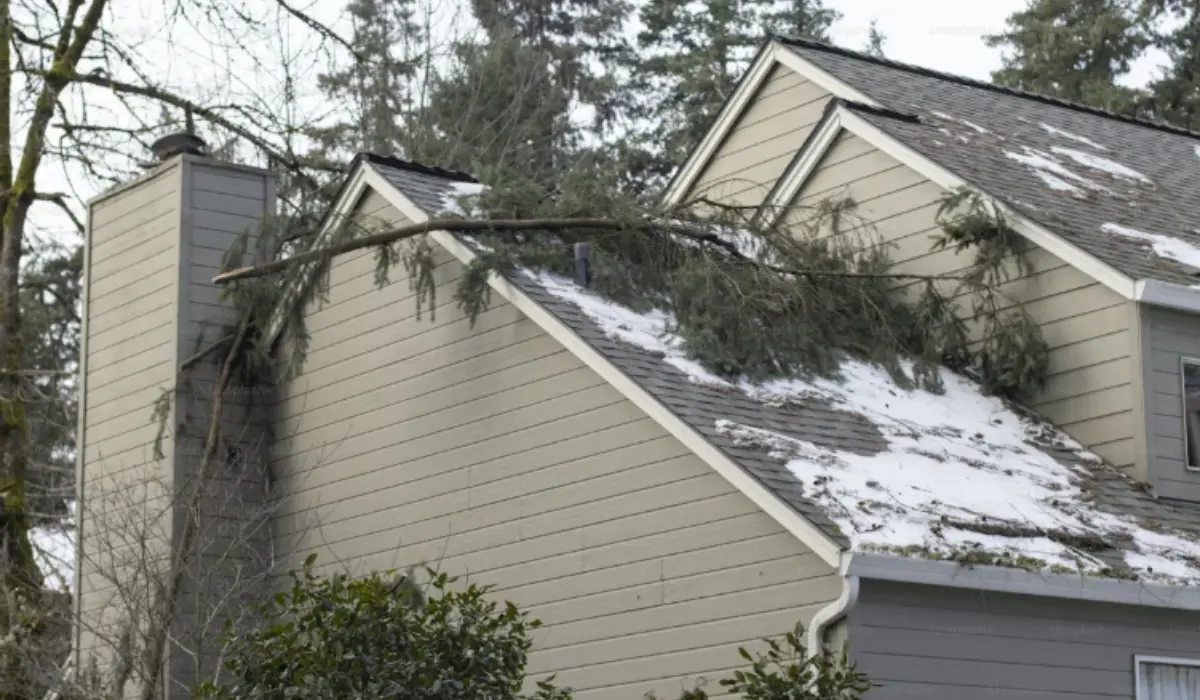
The exterior of a home often reflects what’s happening inside. Peeling paint, warped siding, or cracked trim usually indicate moisture exposure. Gaps around windows or doors allow water and air to enter, leading to interior damage over time. Roof damage or clogged gutters may also contribute to unseen issues inside the walls. Regular exterior inspections help catch these problems before they affect living spaces. Addressing exterior concerns protects the home from long-term damage.
A home responds to care and attention in powerful ways. When homeowners notice changes and respond with curiosity instead of delay, they shift from reacting to problems to preventing them. Awareness builds confidence, reduces stress, and keeps repairs manageable. Treating a home as an active investment rather than a static structure encourages smarter decisions and lasting peace of mind.