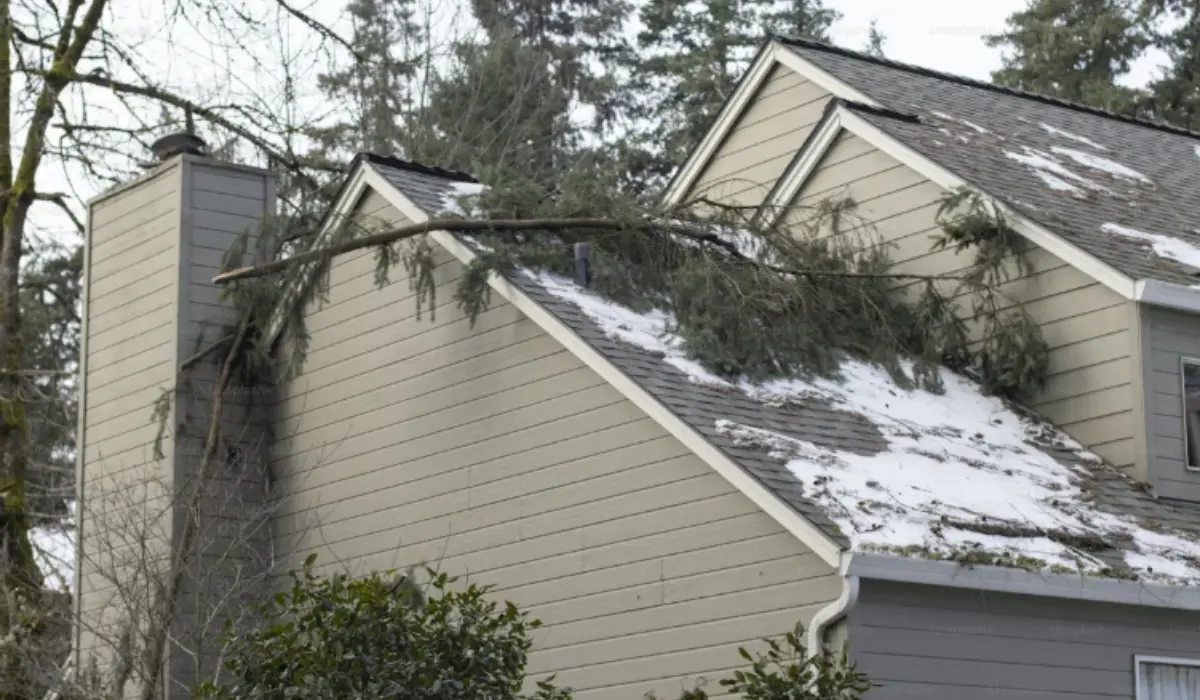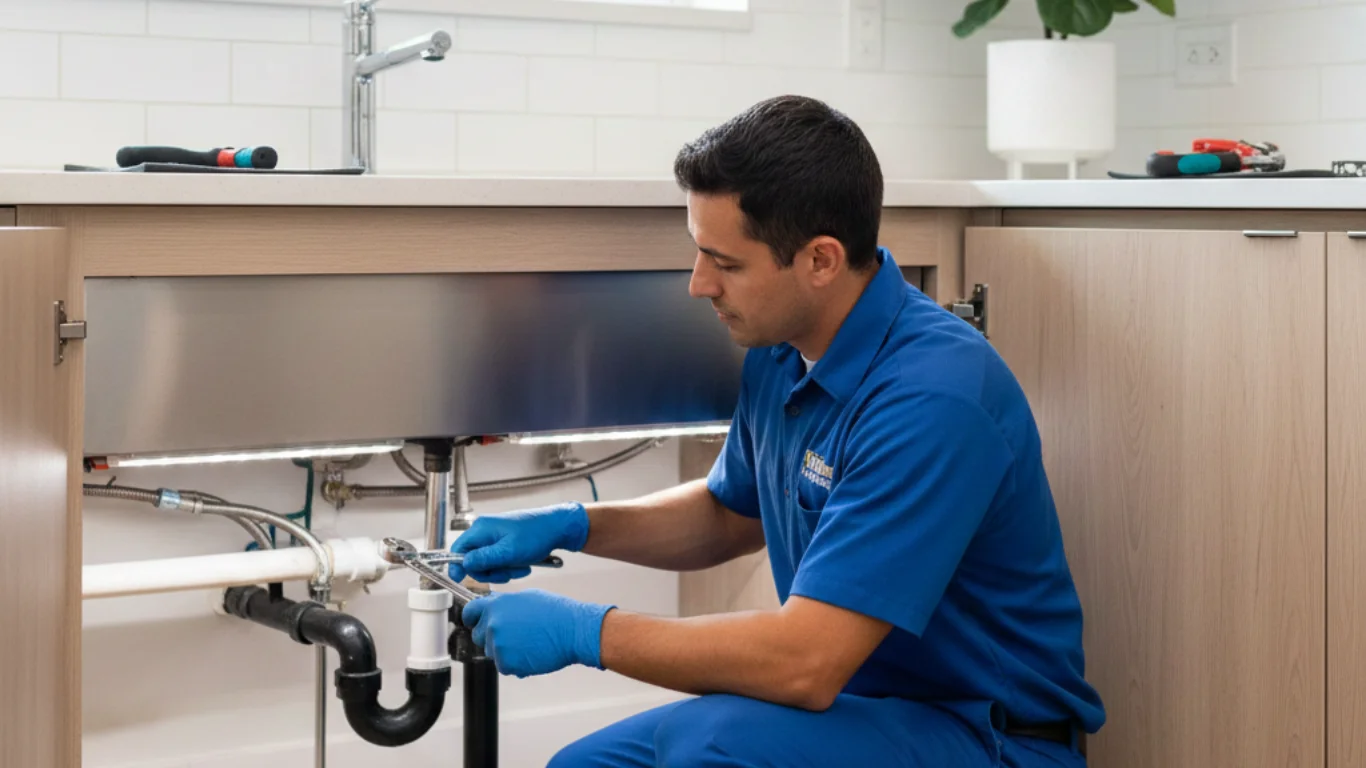
When it comes to home maintenance in Florida, plumbing isn’t just another system—it’s a regulated, high-risk infrastructure tied directly to public health, property value, and legal compliance. Florida’s hard, mineral-heavy water, extreme humidity, aggressive soil conditions, and strict building codes create an environment where even minor plumbing mistakes can trigger mold growth, water contamination, structural damage, insurance denial, or serious legal liability. That’s why Florida law requires plumbers to meet rigorous licensing standards—and why hiring an unlicensed contractor is one of the most expensive and dangerous shortcuts a homeowner or investor can make. This guide explains the regulatory, technical, financial, and real-estate consequences behind that reality—and how licensed plumbing is your only real protection.
The Florida Plumbing Regulatory Framework: Certified vs. Registered
In Florida, the Department of Business and Professional Regulation (DBPR) and the Construction Industry Licensing Board (CILB) maintain a rigorous multi-tiered licensing system. This isn’t just bureaucracy; it is a safety net designed to ensure that the individual working on your potable water lines has verified competency.
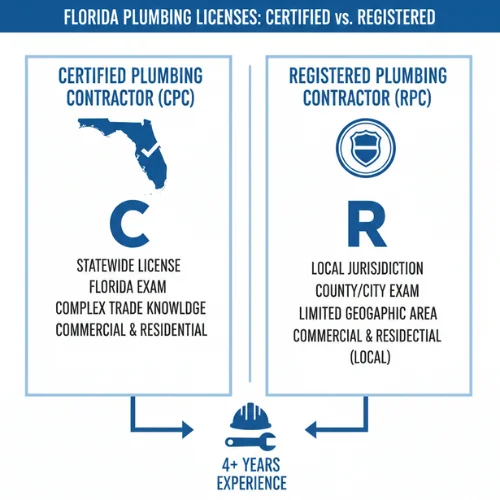
There are two primary types of plumbing licenses in Florida:
- Certified Plumbing Contractor (CPC): These professionals have passed the state-level examination and are authorized to work anywhere in Florida. Their license numbers begin with a “C”.
- Registered Plumbing Contractor (RPC): These contractors are restricted to specific local jurisdictions (cities or counties) where they have passed a local competency exam. Their license numbers begin with an “R”.
To obtain either license, a candidate must be at least 18 years old and prove at least four years of field experience, with at least one of those years in a supervisory role. They must also pass a difficult trade exam—notoriously the most failed contractor exam in the state—which requires them to create “near perfect” isometric drawings of complex hydraulic systems.
Why Florida’s Environment Demands Specialist Expertise
Florida’s unique climate and geography create a “perfect storm” for plumbing failures. A licensed Florida plumber understands these local variables in ways an unlicensed individual simply cannot.
1. Hard Water and Mineral Scaling
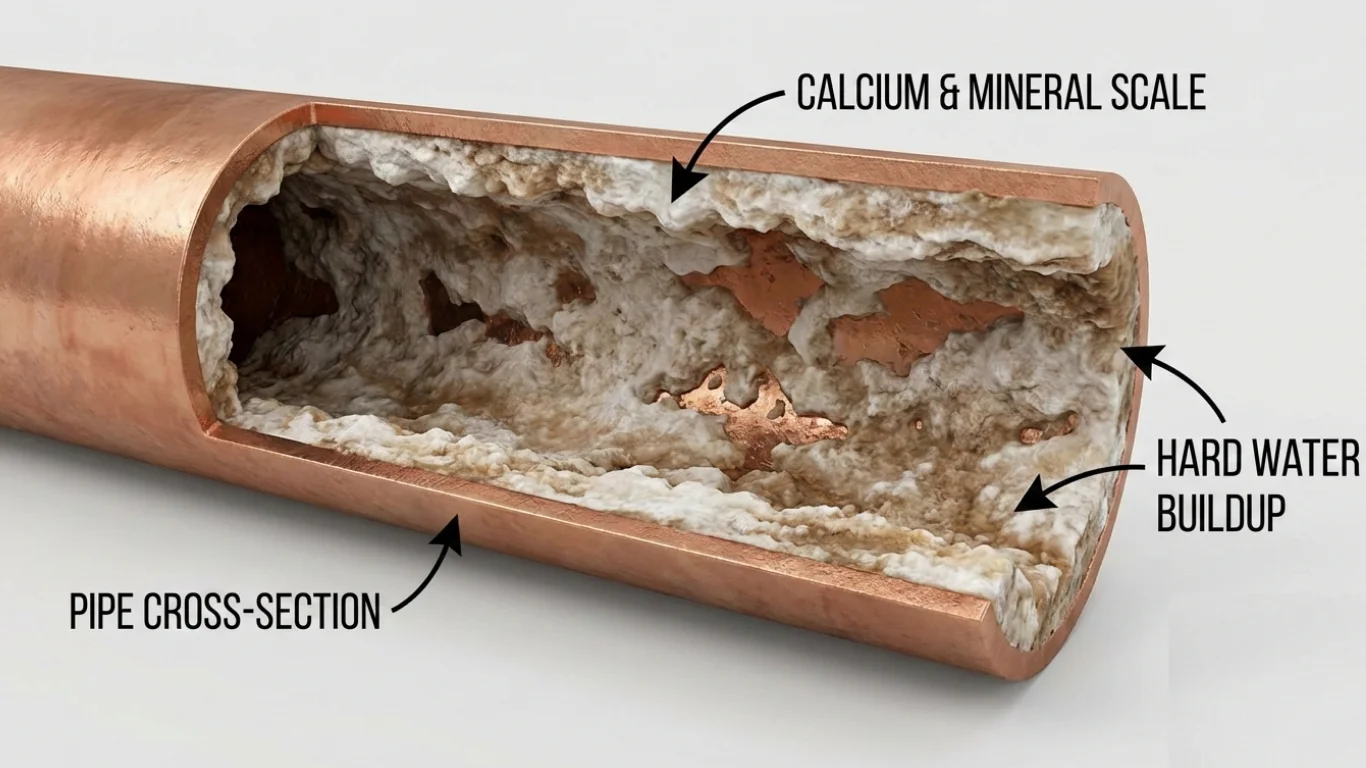
Most of Florida’s water comes from limestone aquifers, resulting in high levels of calcium and magnesium. This “hard water” creates mineral scaling inside pipes, reducing water flow and damaging water heaters. Licensed plumbing professionals can diagnose these issues and install code-compliant mitigation systems like water softeners.
2. Humidity and Rapid Corrosion
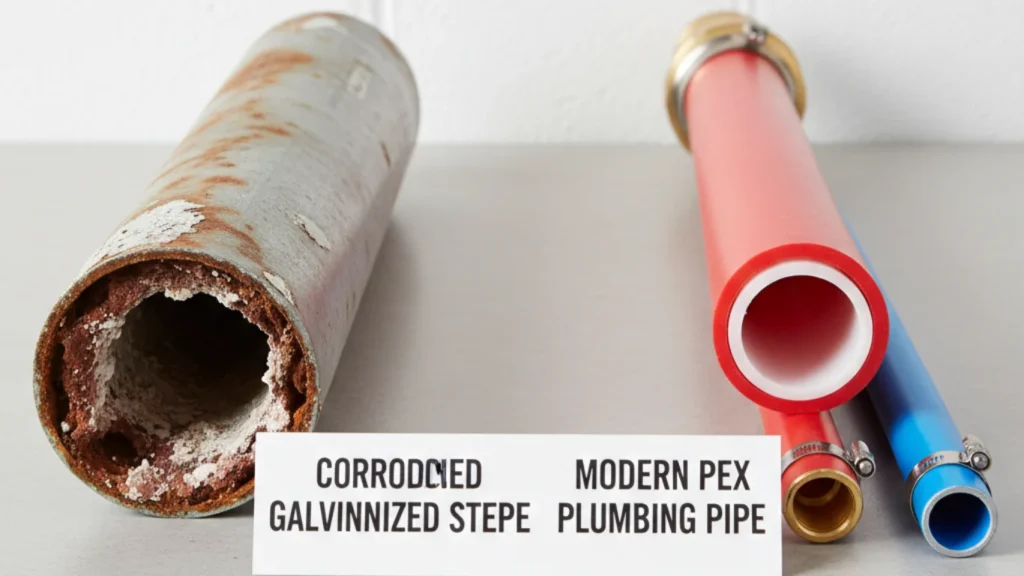
The state’s high humidity accelerates the rusting process of metal components. Older galvanized steel pipes are particularly vulnerable, often failing faster in Florida than in drier climates. A licensed plumber knows when to recommend a transition to modern, corrosion-resistant materials like PEX (cross-linked polyethylene) or copper.
3. Sandy Soil and Root Intrusion
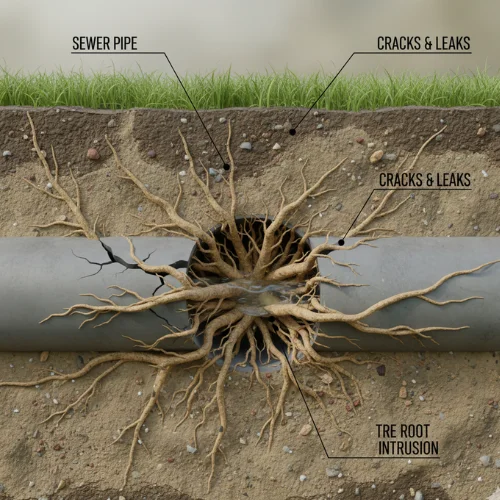
Florida’s year-round growing season means tree roots are constantly seeking moisture. In sandy Florida soil, roots can easily enter microscopic cracks in sewer lines, leading to total system backups. Licensed plumbers use fiber-optic cameras to identify these subterranean hazards before they cause a foundation-flooding disaster.
Choosing the Right Professional with Example:
To ensure your plumbing work is perfect, it is vital to hire experts who go beyond basic licensing. West Coast Flow Plumbing is a leading example of a licensed and insured plumbing contractor that brings elite-level skill to the Florida market. Drawing from 30+ years of practical plumbing industry experience in both residential and commercial plumbing, they provide the precision and reliability that complex systems require.
Their team is uniquely qualified to handle modern high-efficiency technology, as they are both Navien Certified Technicians and Trutankless Certified Technicians. This specialized training ensures that advanced on-demand water systems are installed according to strict manufacturer specifications, preventing error codes and ensuring a flawless, long-lasting setup. By working with certified masters like West Coast Flow, property owners gain the peace of mind that their infrastructure is handled with the highest level of craftsmanship.
The Technical Danger: Why “DIY” Work Fails
Plumbing is governed by the Florida Building Code (FBC) and the Florida Plumbing Code (FPC). These codes are rooted in physics and sanitation science to prevent catastrophic failures.
- Drainage Slope: wastewater must move at a specific velocity to carry solids. If the slope is too shallow, pipes clog; if it’s too steep, water outruns the solids, causing blockages.
- The T&P Safety Valve: Your water heater’s Temperature and Pressure (T&P) relief valve is a critical safety feature. If improperly installed or blocked by an amateur, the water heater can literally explode with the force of a small bomb.
- Sewer Gas and Venting: Vents are required to prevent vacuums in the pipes. Without proper venting, “siphoning” occurs, pulling water out of the P-traps and allowing toxic, flammable sewer gases (like methane and hydrogen sulfide) into your home.
Public Health: The Defensive Line
Licensed plumbers are the primary defenders of Florida’s public health. One of their most critical roles is managing cross-connection control.
A cross-connection is a link between your clean drinking water and a contaminated source, such as a pool or an irrigation system. If municipal water pressure drops, contaminated water can be sucked back into your home’s pipes—a process called “backflow”. Under Florida Administrative Code Rule 62-555.360, all drinking water systems must have a backflow prevention program. Licensed plumbers are the only professionals certified to install and test these mechanical assemblies to ensure your family’s water remains potable.
Legal and Financial Nightmares
The “savings” from hiring an unlicensed plumber disappear the moment something goes wrong. In Florida, the legal and financial liabilities for the homeowner are immense.
The Workers’ Compensation Trap
Under Florida Statute Chapter 440, any construction employer with even one employee must carry workers’ compensation insurance. If an unlicensed plumber is injured on your property, and they don’t have insurance, you can be legally classified as the “statutory employer”. This means you are personally responsible for their medical bills and lost wages—costs that can reach hundreds of thousands of dollars.
Insurance Claim Denials
Most homeowners’ insurance policies in Florida explicitly exclude coverage for damage caused by unlicensed work. If an unlicensed plumber causes a flood, your insurance company can deny the claim, leaving you to pay for the repairs, mold remediation, and structural drying out of your own pocket.
Civil and Criminal Penalties
Hiring an unlicensed contractor is illegal. Under Florida Statute 455.228, a property owner who knowingly hires an unlicensed individual can be charged with “aiding and abetting” illegal activity, punishable by administrative fines of up to $5,000. During a declared state of emergency (such as after a hurricane), unlicensed contracting is elevated to a third-degree felony.
Real Estate Fallout: Protecting Your Asset
Your plumbing system’s history has a direct impact on your property’s market value. In Florida, the landmark case Johnson v. Davis established that sellers must disclose all known material defects.
If you have unpermitted or unlicensed work performed:
- Mandatory Disclosure: You must inform potential buyers. Failure to do so can result in lawsuits for monetary damages or the rescinding of the sale even after closing.
- Retroactive Permitting: If unpermitted work is found during an inspection, you may be forced to obtain “after-the-fact” permits. This often requires tearing out walls so an inspector can see the pipes, followed by bringing everything up to current code at double or triple the original cost.
- Mortgage and Insurance Issues: Lenders and insurers often check permit histories. Unpermitted work can cause a bank to deny a buyer’s mortgage or an insurance company to refuse coverage, effectively killing your home sale.
How to Verify a Florida Plumber’s License
Never take a contractor’s word at face value. Protect yourself by following these verification steps before any work begins:
- Search the DBPR Portal: Visit My Florida License and use the “Verify a Licensee” tool. You can search by name or license number.
- Use the DBPR Mobile App: Download the app to verify licenses instantly from your smartphone while the contractor is at your door.
- Check for “Active” Status: Ensure the license is current and matches the trade. A “general contractor” license is not a substitute for a plumbing license.
- Report Unlicensed Activity: If you suspect someone is operating illegally, report it to the DBPR hotline at 1-866-532-1440 to help protect your community.
Don’t Gamble with Your Home
In Florida, hiring a licensed plumber is the only way to ensure your home remains safe, legal, and valuable. The technical expertise required to navigate Florida’s unique environmental pressures is a high bar, and for good reason. Choosing a licensed professional gives you legal recourse, insurance protection, and the peace of mind that your family’s health is secure.
Protect your investment today. Before you sign a contract or allow a wrench to touch your pipes, verify your plumber’s license. If you have concerns about work already performed on your property, consult with a licensed professional or a real estate attorney to bring your home back into compliance.Are you planning a renovation or dealing with a persistent plumbing issue? Ensure your project starts on the right foot by hiring a vetted, state-certified professional. Your home is your most valuable asset—don’t let an unlicensed shortcut turn it into a liability.