Buying land and building your own home can be one of the most rewarding investments of your life. It enables you to create a house that best suits your lifestyle, location choices, and your long-term aspirations. The process, however, does not only entail the process of locating a nice piece of land, but it also involves proper research, budgeting, legal checks, and planning of construction.
Cost, zoning laws, and construction procedures are not the same at every place, and thus, preparation is necessary. Whether it is the selection of the appropriate plot and financing, acquisition of building permission, and contracting engineers, all steps have to be well taken care of.
Buying land and building your own home can be an exciting yet complex process. This guide breaks it down into practical steps to help you avoid costly mistakes. With careful planning and professional support, you can transform an empty plot into your dream home without exceeding your budget or timeline. Collaborating with skilled construction estimators, architects, and contractors ensures that each stage of the project is managed accurately, efficiently, and with full cost transparency.
Determine Your Budget
Determine a realistic and well-defined budget before purchasing land. Add the cost of the land, building expenses, permits, utility connections, and miscellaneous costs. One should maintain a buffer of at least 10-15% against cost overruns.
Key expenses to consider:
- Land price and closing costs.
- Preparation of the site (grading, clearing, or removing trees).
- Labor and construction materials.
- Installation of utility (water, electricity, sewage, or septic).
- Construction license and inspection charges.
- Landscaping, driveway, and finishing.
During this stage, budget estimating helps you plan all costs precisely. These can help evaluate potential costs before you begin construction, preventing major overruns later.
Find the Right Location
The selection of a location is very important since it determines property value, building cost, and how you live generally. Find land to suit your day-to-day needs and long-term objectives.
Considerable aspects to take into consideration:
- Accessibility: Location to roads, schools, and shops.
- Utility: Water, gas, and electricity connections.
- Topography: The flat land is simpler and less expensive to construct compared to the sloping or rocky topography.
- Zoning regulations: Review local zoning regulations to confirm the residential construction.
- Soil quality: The quality of soil can be verified with the help of a soil test.
- Future development: Study future projects or zoning, which could be seen to impact the value of a property.
This may be made easier by working with a real estate agent who deals with land to avoid plots that are not suitable.
Secure Financing
Buying a house and constructing a place may involve various forms of financing.
Common options include:
- Land loans: Land loans are loans that are used to buy undeveloped land; more often, they have a higher down payment and interest rate.
- Construction loans: This is a short-term loan that finances the cost of construction; it is disbursed in installments as the building is going on.
- Construction-to-permanent loans: They change into a standard mortgage once the building is finished, which makes it easier.
Lenders usually require a detailed construction cost estimation and building timeline before approving funds. A strong credit profile and a clear project plan will improve your loan approval chances.
Conduct Land Surveys and Inspections
Before finalizing your land purchase, it is essential to hire qualified professionals to assess the property thoroughly. Proper surveys and inspections help identify potential legal, zoning, or construction issues early on, saving you from costly problems later. This process also allows you to anticipate additional site development costs, including grading, drainage, and landscaping estimates, so you can plan your budget more accurately before construction begins.
Necessary assessments are:
- Boundary survey: The boundary survey ascertains the actual land size and boundaries of the property.
- Soil and drainage test: Make sure that the soil is able to support the foundation of your home and the septic system.
- Environmental check: This determines any restrictions, flood zones, or other areas that are not allowed.
- Utility review: This can be used to determine whether there are power lines, water, and sewerage, or whether these are to be extended.
Purchase the Land
After the inspections have been made and you are content with the outcome, you may close the deal. It will involve the signing of a purchase contract, ownership transfer, and payment of closing costs. The legal documents must always be checked by a real estate attorney to be sure that there are no hidden liabilities or conflicting issues.
Once bought, it is time to register your ownership, and do this by registering the deed in your local land records office.
Design Your Home
The second thing is to design your dream house. Either you may hire an architect or select pre-built plans provided by constructors. Pre-plans are cheaper and faster to pass through than custom designs due to their flexibility.
The following considerations should be made during the design phase:
- Home size, number of rooms, and layout.
- Natural light and energy-saving characteristics.
- Adherence to local building standards and setbacks.
- Blending with the incline of the land, trees, and nature.
With good planning, your home design will suit your lifestyle and the site of the location.
Acquire Building Permits
You should consider obtaining building permits from your local authority before any construction is done. The permit requirements differ with the location that you are in and the complexity of your project.
Normally, you will require permission to:
- Construction and architectural designs.
- Electrical and plumbing repairs.
- Septic or sewer connections.
- Parks or other constructions.
The permit application process can normally be assisted by your builder or contractor. The absence of necessary permits might lead to criminal charges, or the building can be stopped.
Start Construction
As soon as all the permits are ready, one can start construction. Typically, the process is conducted in the following stages:
- Site preparation: Cleaning, landscaping, and laying the foundation.
- Framing: Constructing the skeleton of the structure.
- Roofing and exterior: Roofing (siding, windows, etc.).
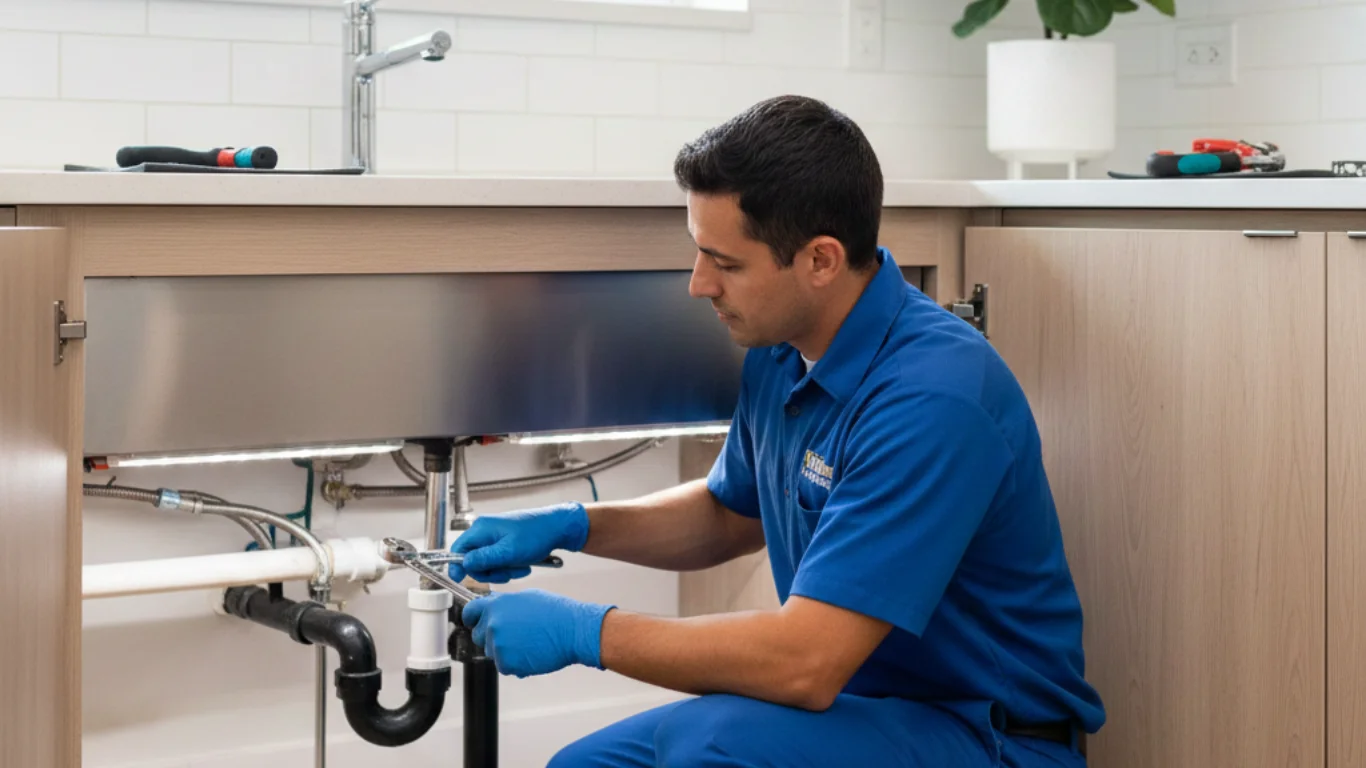
- Utilities: Plumbing, electrical, and HVAC additions.
- Interior finish: Furnishings, flooring, cabinets, and fixtures.
- Final inspection: Before moving in, everything has to be checked as per building codes.
You should communicate frequently with your contractor to keep on track and be cost-effective.
Landscaping and Finishing Touches
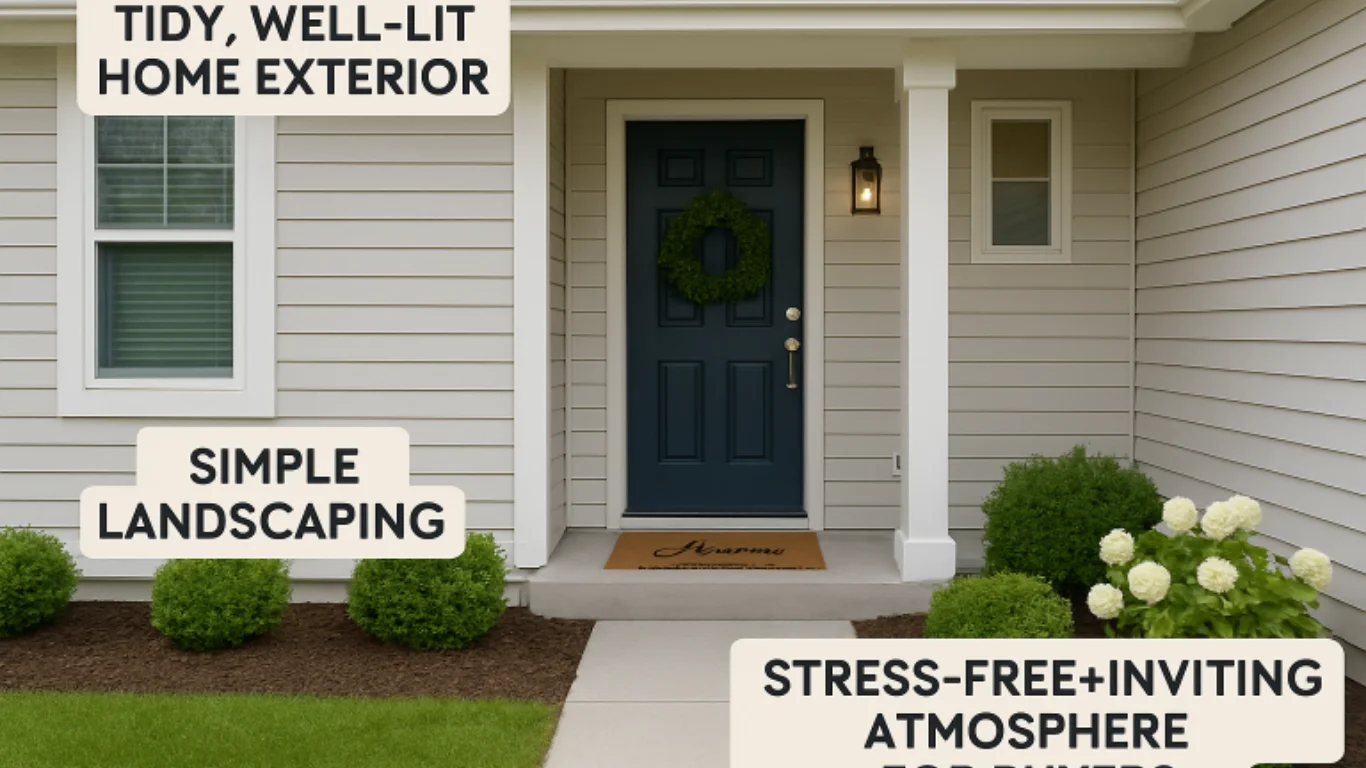
Once the house is finished, concentrate on introducing the outward appearance, like landscaping, fencing, patios, and driveways. These are minor details that improve the appearance of the curb and make the building more practical.
Final Thoughts
Constructing a house on a property you have bought is time-consuming, planning, and fiscally disciplined; however, you can shape your own home to exactly what you need. It is possible to reduce risks and ensure a smooth process of construction by learning the property well, financing it properly, and obtaining qualified professionals.
With careful execution, you’ll end up with a home that reflects your vision and adds lasting value to your investment.
FAQs
Is it cheaper to buy land and build a home or buy an existing house?
Building a home can be slightly more expensive upfront, but it allows for customization and may save long-term maintenance costs. Buying an existing home is faster but may involve renovation expenses.
How long does it take to build a house from start to finish?
The process typically takes 6 to 12 months, depending on the home’s size, weather conditions, and permit approvals.
Can I get a loan to buy land and build a home together?
Yes, a construction-to-permanent loan finances both land purchase and construction, then converts into a standard mortgage after completion.
What permits do I need before building?
You’ll need building, electrical, plumbing, and zoning permits before starting construction. Requirements vary by location, so always check with local authorities first.