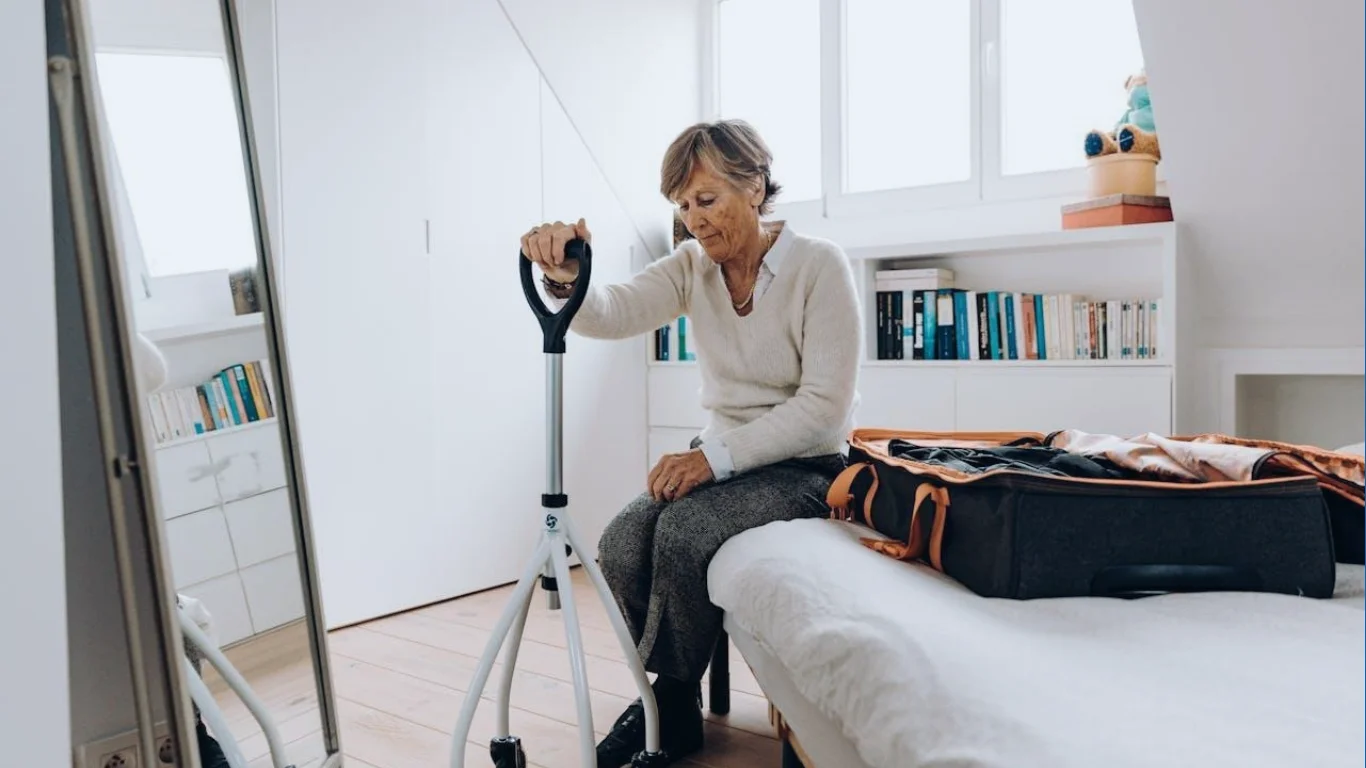
Have you ever walked through your home and wondered if it will still work for you in twenty years? Many people picture retirement as a time of travel or rest – few picture struggling with stairs or slippery floors. Yet the truth is simple. Most adults want to stay in their homes as they age.
Across the country, the population is getting older. Baby boomers are reaching retirement in record numbers. At the same time, housing prices remain high and assisted living costs continue to rise. Many families prefer independence over relocation. They want comfort and control. That desire has sparked a strong interest in aging-in-place design.
Aging-in-place modifications are not just for seniors. They are for anyone who wants a home that adapts over time. Good design can reduce injury risk, improve comfort and support mobility. The best part is that many upgrades blend into the home without looking medical or institutional. In this blog, we will share practical aging-in-place improvements that increase safety, enhance daily comfort and support long-term livability without sacrificing style.
Start With Safer Bathrooms
Bathrooms are one of the most common sites for household injuries. Wet floors and tight layouts create risk. That is why smart bathroom remodels often focus on safety first. Install grab bars near the toilet and inside the shower. Choose modern designs that match existing hardware. They can look stylish while providing support. Replace tubs with walk-in showers. Curbless entries reduce tripping hazards and allow easier access.
Of course, non-slip flooring is essential – non-negotiable. To that end, check out textured tiles or slip-resistant vinyl. These lower fall risk. In addition, handheld showerheads offer flexibility. They make bathing easier for people with limited mobility. Raise toilet height slightly for easier sitting and standing. If space allows, maybe add wider doorways. Even small adjustments improve daily use.
Good lighting also matters. Bright, even lighting reduces shadows and improves visibility. Night lights near the floor can guide safe movement after dark.
Improve Entry and Exit Points
Front steps may seem harmless until knees begin to ache or balance feels less steady. Entryways deserve more attention than they usually receive because they set the tone for safe movement in and out of the home. Adding sturdy handrails on both sides of stairs provides extra support and confidence. Railings should be firmly anchored and comfortable to grip – not loose or decorative.
If space allows, installing a no-step entry creates a smoother transition from outside to inside. A gently sloped walkway makes access easier not only for aging residents but also for visitors with strollers, wheelchairs or heavy packages.
Door hardware also plays a bigger role than most people expect. Replacing round doorknobs with lever-style handles makes opening doors easier for those with arthritis or limited hand strength. Smart locks can further simplify entry by removing the need to fumble with keys – especially in bad weather or low light.
Bright, well-placed lighting around entrances improves visibility and reduces the risk of trips at night. Motion-sensor lights add both safety and convenience by turning on automatically. Keeping pathways clear of clutter, cracks and uneven surfaces ensures that entry points remain safe and welcoming for years to come.
Make Living Spaces More Accessible
Inside the home, focus on clear pathways and flexible layouts. Remove loose rugs that may cause trips. Secure cords along walls. Arrange furniture to allow wide walking paths.
Consider wider doorways if major renovations are planned. Extra space supports walkers or wheelchairs if needed in the future. Install rocker-style light switches. They are easier to press than small toggles. Stairways deserve attention. If the home has multiple levels, think about long-term solutions. Some families install stair lifts. Others convert ground-floor rooms into bedrooms.
Storage should also adapt. Lower shelves in kitchens and closets reduce the need for reaching. Pull-out drawers work better than deep cabinets.
Comfort and accessibility should go hand in hand.
Upgrade Flooring and Lighting
Flooring influences safety more than most people realize. Choose materials with texture and grip. Avoid highly polished surfaces that become slippery.
Transitions between rooms should be smooth. Raised thresholds create trip hazards. If replacing flooring, aim for even surfaces across spaces. Lighting should be layered. Combine overhead lights with task lighting and accent lighting. Dim spaces increase fall risk. Add brighter bulbs in work areas like kitchens.
Smart lighting systems add another layer of convenience by allowing voice control or scheduled settings, which means lights can turn on automatically without anyone needing to move through a dark room. This reduces the risk of nighttime trips and falls while making the home feel more responsive.
Consistent, well-placed lighting not only improves safety but also builds confidence in daily movement. A bright, welcoming space can even lift mood, making the home feel both secure and comfortable.
Plan for Future Technology
Technology is changing how homes function. Aging-in-place design now includes smart tools that support safety.
Check out video doorbells; they allow residents to see visitors without rushing to the door. Smart thermostats keep temperatures steady without manual adjustments. Voice assistants can control lights, locks and appliances. They also provide reminders for medication or appointments.
Medical alert systems have improved. Many devices are discreet and easy to use. These tools offer peace of mind for both residents and family members.
Technology should support independence, not replace it. Choose tools that feel intuitive.
Think Ahead Without Overbuilding
One common mistake is overdesigning too soon. Aging-in-place planning should balance present comfort with future needs. Focus first on changes that benefit everyone. Better lighting, safer flooring and accessible handles improve daily life now. More advanced modifications can wait until needed.
Consult with professionals who understand universal design. They can suggest solutions that blend function with style.
The goal is not to create a medical environment. It is to create a flexible home.
Aging-in-place modifications reflect a broader shift in how people view homeownership. Homes are not just investments. They are long-term anchors. With rising living costs and changing demographics, thoughtful design offers stability.
By making practical adjustments today, homeowners protect independence tomorrow. Small changes reduce risk. Smart planning increases comfort.
A well-prepared home supports not just aging – but living well at every stage.