Thinking of selling your home? Before you stage the living room or repaint the front door, step outside. Your trees are already introducing your property to potential buyers. Right under your nose, they’re either delivering a firm handshake or an awkward first impression. Even if you never gave it importance, landscaping is part of the sales pitch. Tall, well-placed trees can frame your home beautifully, offer shade, and suggest years of careful ownership.
But overgrown branches scraping the roof or roots threatening the driveway? That’s not exactly a “charming character”. Buyers would read that as an unnecessary burden on their pockets. It is because they notice more than you ever anticipate. A bright, balanced yard feels welcoming and spacious. A dark, crowded one can make even a lovely house feel smaller and high-maintenance. As Brandy Bridges says, “When it comes to selling, first impressions matter; and trees are silent ambassadors of your home.”
So before you plant, prune, or ignore that leaning oak, think carefully. Let’s walk through our guide to tell you how to make the landscaping right.
How do trees affect property value?
Well-placed, healthy trees frame your house beautifully. It makes your property feel established. On the flip side, poorly chosen trees can block sunlight, crowd spaces, or even pose safety risks. Sometimes, the ones that grow overly can make you feel trapped and suffocated.
I think now you know why thoughtful landscaping is considered a key part of modern real estate. This is exactly why thoughtful landscaping is considered a key part of modern real estate. Partnering with experts like Reside Real Estate can help you in this case.
The Best Trees to Plant Before Selling
So, what kinds of trees should you focus on if your goal is to make your property more appealing? Let’s start with the stars of the landscaping world.
Fast-Growing Shade Trees
Fast-growing shade trees are a dream for buyers. They create instant comfort by cooling patios, yards, and walkways. In warmer climates, they’re lifesaving. Maple, poplar, and certain varieties of oak can make a space feel mature. We suggest you plant them strategically along driveways or near outdoor living areas for maximum impact.
Ornamental Trees with Seasonal Color
Ornamental trees are flowering cherries, dogwoods, or redbuds. They bring color and life to your yard. Their seasonal blooms create a visual show. That way, your property stands out in listings and during open houses. Even you’d be attracted to homes that feel cared for and vibrant. Now, can you relate to the buyer who falls for this vibrancy? Even small ornamental trees can make a huge difference.
Native Species That Require Minimal Care
What else says “thoughtful landscaping” like native trees do? They’re adapted to your local climate, resist pests, and often require minimal watering or fertilization. This is a huge selling point for buyers who want beauty without high maintenance. In our opinion, they’re a smart way to appeal to environmentally conscious buyers as well.
Trees That Enhance Privacy Without Overcrowding
Privacy is a huge consideration for homebuyers. Trees that create natural barriers. They can also block unsightly views without making your yard feel cramped. This purpose can be served by planting tall evergreens or strategically placed flowering trees.
The key to placement is balance, you know. Try to catch the sense of seclusion without overcrowding your outdoor space. Proper spacing ensures that your property feels open yet intimate.
Trees That Can Hurt Your Home’s Value
Of course, not all trees are beneficial. Some can unintentionally harm your property’s appeal or even create costly headaches for buyers.
Trees like willows, poplars, and some types of maples have aggressive root systems that can damage foundations, driveways, or underground pipes. Planting them too close to your home can turn into a red flag for buyers and inspectors alike.
Trees that drop excessive leaves, fruit, or sap—like certain types of mulberries or sweet gums—can overwhelm a yard and require constant cleanup. Buyers often see these as a future chore rather than a benefit.
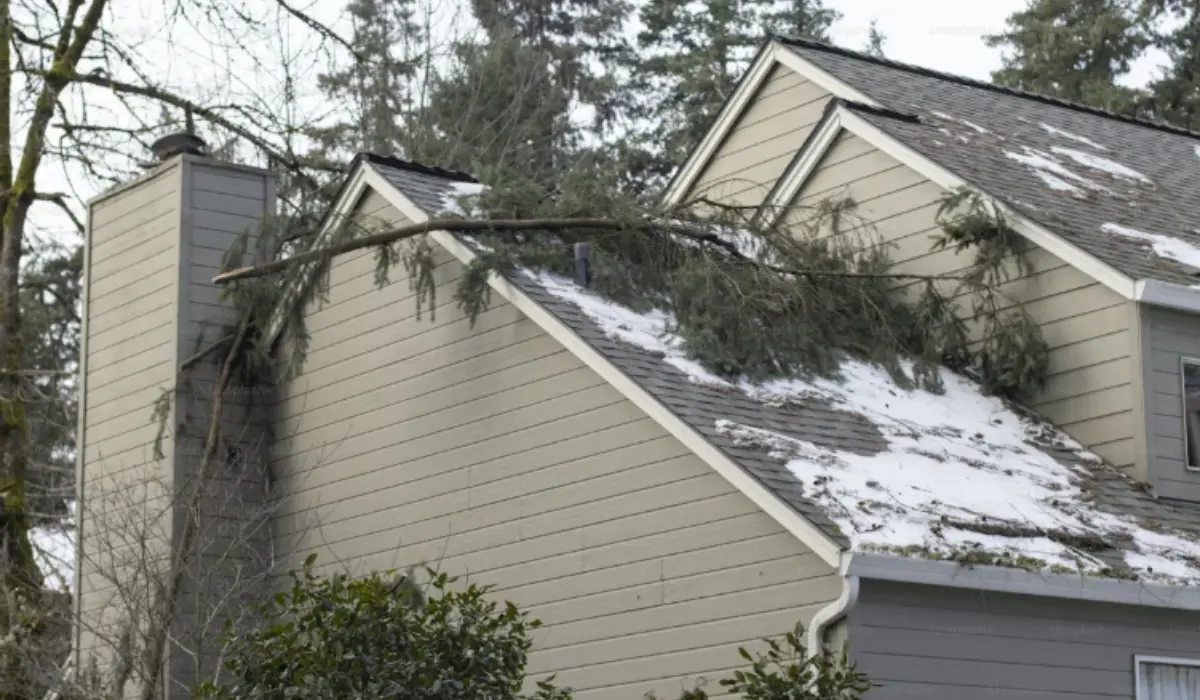
If a tree is prone to breaking during storms, it could be a safety liability. Species like silver maple or poorly pruned pines may endanger property and people, reducing buyer confidence.
While some trees look gorgeous, others produce strong pollen or unpleasant odors. Trees like certain acacias or male ginkgos may be visually striking but could trigger allergies or complaints about scent. This is a subtle factor that can affect a buyer’s emotional connection to the property.
Climate and Regional Considerations
Not all trees thrive everywhere. Soil type, temperature extremes, rainfall, and sun exposure all matter. Even the best-planned trees can struggle if they’re planted outside their ideal environment.
Know your region before planting. A tree that thrives in one climate might struggle in another.
Timing Matters
Timing your planting can also make a difference. Fall is often ideal for establishing roots before winter, while spring planting ensures growth throughout the warm months. The goal is to give buyers a landscape that looks established, healthy, and inviting from day one.
Working with Landscaping Professionals

Arborists can advise on the right species, placement, and care for your yard. Their expertise helps avoid long-term issues that might turn buyers off. You can consider it as an investment in your home’s market appeal.
Some communities have regulations on tree placement, height, or removal. Ignoring these rules can create headaches during the selling process. Consulting professionals ensure you stay compliant and avoid surprises at inspection time.
Smart Landscaping Choices That Support a Faster Sale
In the end, it’s all about first impressions and long-term appeal. Thoughtful landscaping can turn a good property into a great one. Buyers want a home that feels inviting, low-maintenance, and harmonious with its surroundings. The right trees do just that—enhancing beauty, privacy, and value.
Brandy Bridges sums it up perfectly: “A well-planned landscape isn’t just decoration—it’s a silent negotiator that helps your home sell faster and for more.”
Working with trusted experts like Reside Real Estate ensures you make the smartest planting decisions. When trees are chosen and placed thoughtfully, your yard tells the story you want buyers to see: cared for, beautiful, and ready to become someone else’s dream home.
Final Thoughts
Trees aren’t just decorative—they’re strategic tools in selling a home. By choosing fast-growing shade trees, native species, and ornamental varieties wisely, you enhance curb appeal, boost property value, and create a yard that feels intentional and cared for.
Avoid planting aggressive-rooted, high-maintenance, storm-prone, or allergenic species near your home. And remember: local climate, timing, and professional guidance are key factors in making your landscaping work in your favor.