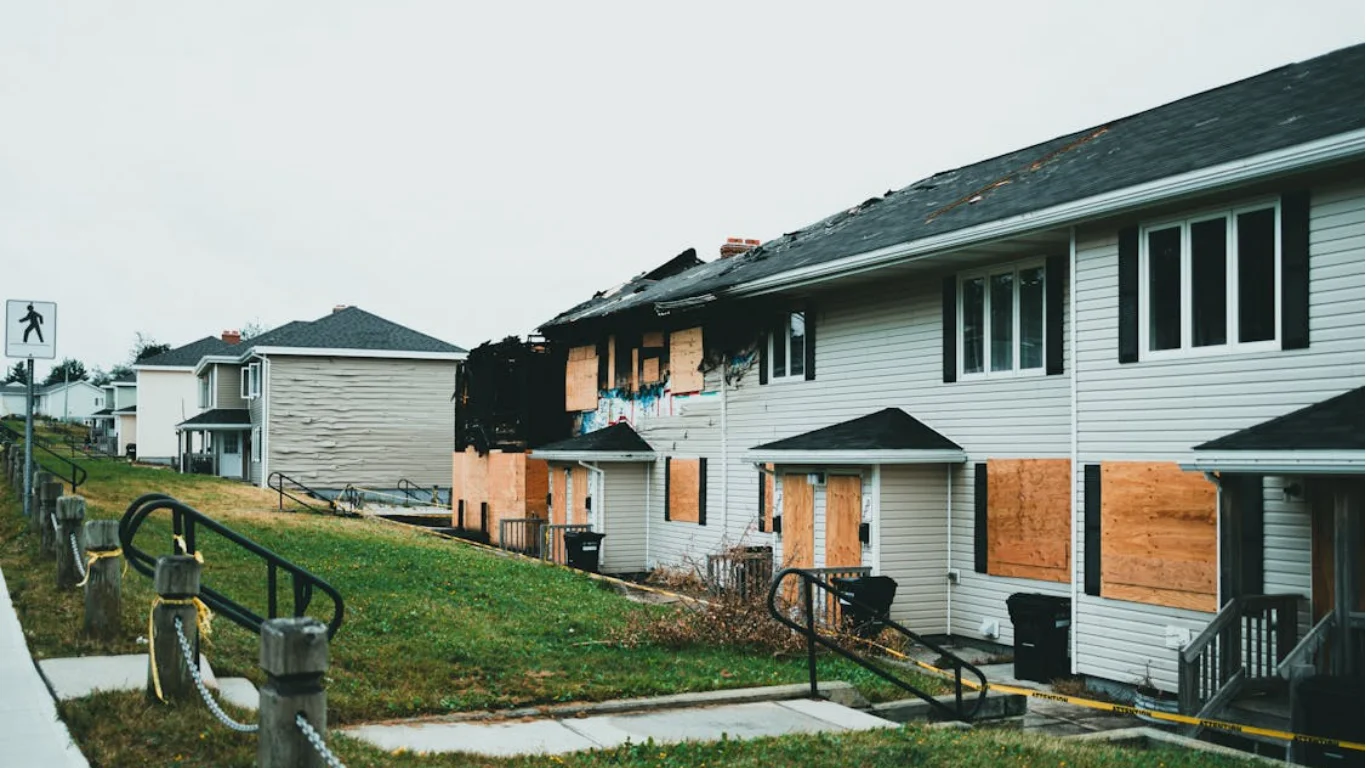
If you own a home in Minnesota, you already know how unpredictable the weather can be. One season may bring heavy storms and flooding, while another brings freezing temperatures that cause pipes to burst. In areas like Minnetonka, St. Louis Park, and Golden Valley, homeowners occasionally face sudden property damage from water leaks, house fires, or storm-related issues. When something like this happens, the damage can feel overwhelming.
A flooded basement or smoke-filled kitchen doesn’t just affect how your home looks. Moisture can seep into walls, floors, and insulation, while smoke residue can linger long after a fire is extinguished. What begins as a single incident can quickly lead to additional problems such as mold growth, lingering odors, or structural damage.
The good news is that recovery is possible when you take the right steps. Acting quickly and following a clear plan helps limit further damage and speeds up the restoration process.
Why Professional Restoration Services Matter After Fire or Water Damage
Water from leaks, floods, or firefighting efforts can soak into drywall, flooring, furniture, and insulation. If moisture stays trapped inside materials, it can lead to mold growth within just a few days. Smoke damage can also spread through ventilation systems and settle into fabrics and walls, leaving behind strong odors and harmful residue.
Because of these hidden issues, professional restoration services often play a critical role in the recovery process. Experienced restoration teams have specialized equipment designed to remove water, dry affected areas, and safely clean smoke and soot from surfaces.
For homeowners in the western Twin Cities area, many people turn to trusted local restoration providers such as SERVPRO of Minnetonka, St. Louis Park, Golden Valley, when they need help addressing fire or water damage. Professional teams can quickly inspect the property, extract water, begin structural drying, and handle smoke and soot cleanup so that damage does not continue spreading throughout the home.
Fast professional intervention often makes a major difference. The sooner moisture is removed and affected materials are cleaned, the more likely it is that parts of the home can be saved instead of replaced.
Immediate Steps to Take After Fire or Water Damage
When damage occurs, your priority should always be safety. If a fire has just occurred or water is flooding parts of the home, make sure everyone leaves the area until it is safe to return.
Once the immediate danger has passed, there are several important steps you can take to protect your property. Turning off electricity and gas supplies can help prevent additional hazards, especially if water has reached outlets or appliances. If the damage is severe, contacting emergency services or local authorities may also be necessary.
Another important step is documenting the damage. Taking photos or videos of affected areas can help when filing an insurance claim. Try to capture wide shots of rooms as well as close-ups of damaged materials.
While it may be tempting to start cleaning immediately, it’s often better to wait for professionals if the damage is extensive. Moving furniture or attempting a major cleanup without the proper tools can sometimes make the situation worse.
Assessing the Full Extent of the Damage
One of the biggest challenges after fire or water damage is that some problems remain hidden. What you see on the surface might only be part of the story.
For example, water that spreads through flooring can travel underneath surfaces and into nearby rooms. Drywall and insulation can hold moisture for long periods of time, even when the outside looks dry. If that moisture is not properly removed, it creates an environment where mold can grow.
Fire damage also brings hidden concerns. Smoke particles are extremely small and can move through air vents, ceiling spaces, and behind walls. Even after the flames are gone, soot can continue damaging surfaces and leaving odors behind.
Professional inspections help identify these hidden issues. Restoration specialists use moisture meters, air filtration equipment, and other tools to locate areas that still need attention. This step helps ensure that the restoration plan addresses the entire problem rather than just the visible damage.
Understanding the Restoration Process
Once the damage has been assessed, the restoration process typically begins. While every situation is different, most restoration projects follow several basic steps.
First, professionals inspect the property and create a restoration plan. This step identifies the affected areas and determines what materials can be cleaned and what needs replacement.
Next comes water removal and drying. High-powered pumps remove standing water, while industrial air movers and dehumidifiers help dry walls, floors, and furniture. Removing moisture quickly helps prevent mold and structural damage.
After drying, technicians focus on cleaning and sanitizing the affected areas. Smoke residue, soot, and debris are carefully removed from surfaces. Specialized equipment may also be used to eliminate lingering odors.
The final stage involves repairs and rebuilding. This could include replacing drywall, repairing flooring, repainting walls, or restoring damaged sections of the home. The goal is to return the property to its original condition as closely as possible.
Preventing Secondary Damage
One important reason for acting quickly after fire or water damage is to prevent secondary problems from developing. Secondary damage refers to issues that appear after the initial incident but are caused by lingering moisture, smoke, or contamination.
For example, water left in a home for too long can cause wooden floors to warp, metal fixtures to corrode, and drywall to weaken. Mold can begin growing within a few days if the environment remains damp.
Smoke damage can also continue spreading through the home if it isn’t properly removed. Even small amounts of soot can stain surfaces and leave persistent odors that are difficult to eliminate later.
By addressing damage early and thoroughly, you reduce the risk of these additional complications.
Fire and water damage can feel overwhelming at first. Seeing parts of your home affected by flooding, smoke, or structural damage can create stress and uncertainty. But with the right steps and a clear recovery plan, your home can be restored.
Acting quickly, focusing on safety, and seeking professional support are key parts of the recovery process. Proper cleanup, drying, and repairs help prevent long-term problems and bring your home back to a comfortable living space.
Unexpected damage is never easy, but preparation and the right response can make the path to recovery much smoother. By understanding the restoration process and knowing when to seek help, you give yourself the best chance of restoring your home and returning to normal life.