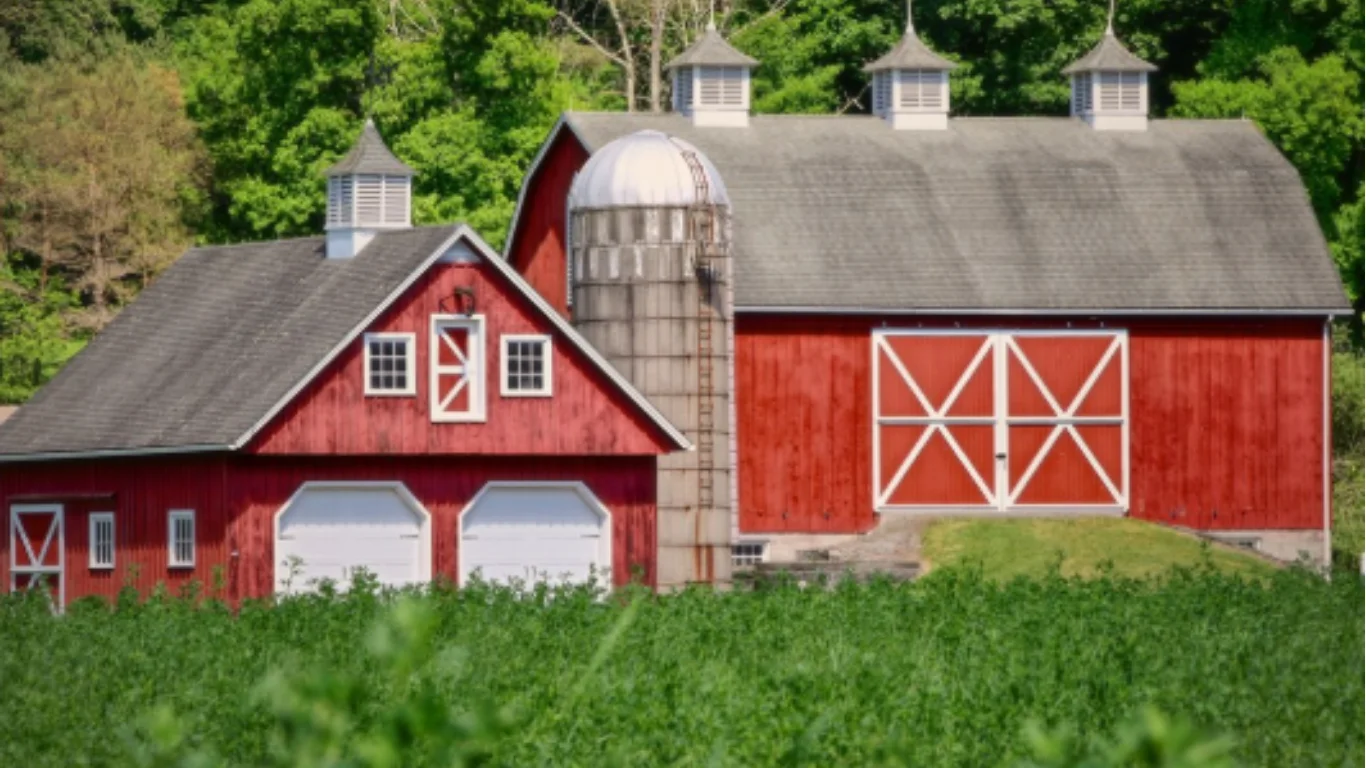
Landscaping often takes the backseat as you are planning your barn. But within months equestrian property owners realize the importance of a properly planned barn garden. It just makes the space feel more intentional and well-planned.
But designing a barn garden in Florida requires extra considerations given its unpredictable climate. And, we tried to list out all possible precautions you can take while planning your own barn garden that will thrive even in Floridian heat or rain.
Understanding the Purpose of a Barn Garden
When you first set up a horse property, landscaping around the barn is usually the last thing on the list. You are more interested in stalls, paddocks,and fencing. And honestly, that makes sense.
But that changes after a few months. Owners soon realize something. The barn area is functional but there’s no plan for where riders would tack up, where deliveries would happen, etc.
That’s when the concept of a barn garden enters your brain. It’s not about decorating the barn with flowers. It’s really about making the stable area more livable and functional.
You see this idea used a lot in well-planned equestrian homes for sale in Wellington communities. Many properties around there are laid out so the barn, paddocks, and gardens work together instead of feeling like separate parts of the property.
Does Thoughtful Landscape Design Elevates Equestrian Properties
Short answer: yes, and more than people realize.
Imagine two similar horse properties.
The first one has a functional barn, decent paddocks, and everything works. But the surroundings are bare. The barn area is mostly dirt and gravel, maybe a few scattered plants.
The second property has the same basic facilities. But the barn entrance is framed with trees, the driveway is lined with palms, and there are shaded seating areas overlooking the paddocks.
Technically, the horse facilities might be almost identical. Yet the second property feels more complete.
It also photographs better, which matters a lot in real estate listings.
Designing for Florida’s Climate and Soil Conditions
Two things tend to cause the most problems for barns located in Florida: heat and water.
The sun remains intense for most part. At the same time, Florida storms can dump several inches of rain in a short period.
That’s why designing a barn garden in Florida is slightly more challenging. But it’s not impossible. Here’s a checklist for you.
Select Plants That Tolerate Intense Sun
You’ll often see people try to plant gardenias or hydrangeas around the barn. Only to watch them struggle within a few months. The soil dries out too fast, the sun burns the leaves, and maintenance becomes a constant chore.
Plants that actually thrive around Florida barns tend to be the tougher, sun-loving types.
For example:
- Muhly grass is drought tolerant. It works well along paddock fences and driveways.
- Firebush is another common choice. It doesn’t weather under heat easily.
- Coontie palms are another variety. They are extremely hardy and can stay low enough to not interfere with your barn’s visibility.
Managing Drainage Around Barn Structures
Drainage is one of the most important design issues in barns. But a few simple drainage strategies can prevent that.
Try to slightly grade away from the walls. Even a small slope helps water flow outward.
Another one is using permeable surfaces instead of solid concrete in some areas. Crushed limestone, gravel, or shell paths allow water to drain through rather than sit on the surface.
Garden beds can also play a role here. When placed strategically, they act like small absorption zones, pulling water away from high-traffic areas.
Prevent Standing Water Near Stalls and Paddocks
Mud isn’t just messy. It can create health issues for horses. The good news is that landscape design can reduce a lot of that.
One common strategy is creating buffer zones between paddocks and the barn. That way you can avoid grass near the stall doors. Instead, install a strip of gravel or pavers that acts as a dry transition space.
Another useful trick is planting dense or voluminous shrubs in places where water flows from. Plants slow down runoff and help the soil absorb moisture more evenly.
The goal isn’t to eliminate water completely. That’s impossible in Florida. It’s simply about guiding water somewhere harmless.
Layout Strategies That Improve Both Beauty and Efficiency
Clear Movement Paths for Horses and Equipment
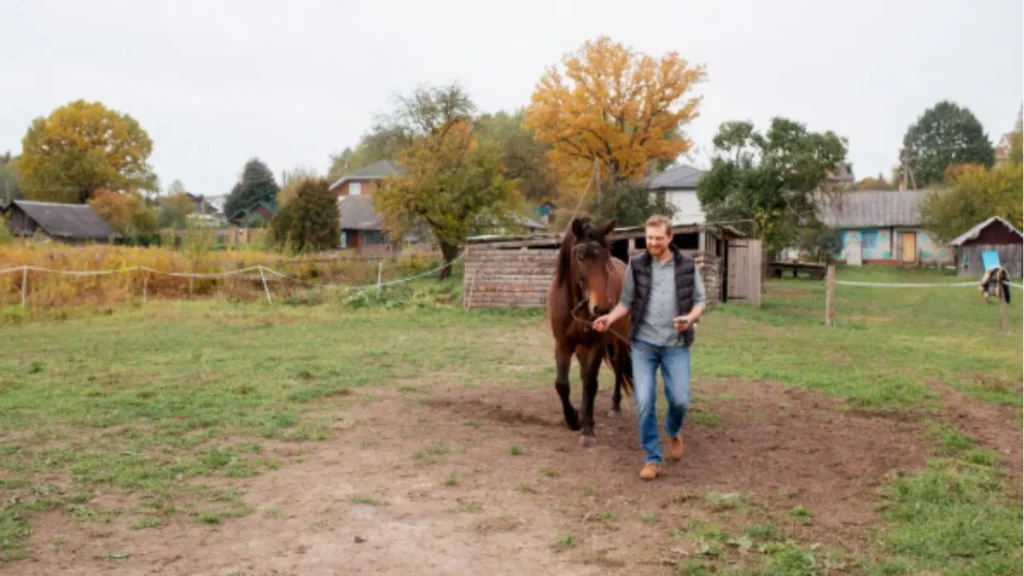
If you watch how a working barn operates for a few days, you’ll notice that certain paths get used constantly. There’s a specific route horses take from the barn to the paddocks. Tractors, carts, farriers all move around a routine track every day.
So, make sure those paths should stay wide and clear. You must not plant something right along them.
Another trick many properties use is slightly widening the space near barn entrances or gate areas. Because it’s common for horses to bunch up while being led in or out of the property. So having some extra room prevents congestion.
Framing The Key Structures
You can naturally draw attention by planting a pair of palms or shade trees on either side of a barn driveway. Also, a low hedge along the entryway can make the entryway look more welcoming. These framing techniques aren’t loud and easy to implement.
Arena entrances are another good spot for this approach. Instead of leaving the gate area completely bare, you can add small planting beds or symmetrical shrubs nearby. Even simple details like lining the main driveway to the barn with evenly spaced trees can make the property feel more planned and cohesive.
Creating Outdoor Social Spaces
Horse properties naturally become social places.
Riders often linger after lessons, trainers watch from the arena edge, and barn staff gather in shaded spots during breaks. Hence, designing a few intentional outdoor spaces around the barn can make those moments more enjoyable.
One common setup would be a shaded seating area overlooking the arena. A pergola, a couple of benches, maybe a small table. But it gives riders and owners a place to sit and watch training sessions without standing in the sun.
Bottom Line
A barn garden isn’t just about aesthetics, you see. When designed thoughtfully, it supports the everyday life of an equestrian property.
The right plants can handle Florida’s intense sun while remaining safe for horses. Proper drainage and layout choices can reduce mud and standing water around stalls and paddocks. And strategic landscaping can guide traffic, frame important structures, and create comfortable spaces for riders and staff.