What kind of garden do people actually want? One that looks fresh when you step outside, one that doesn’t pull you into a daily checklist, one that doesn’t quietly demand your time every evening. A lush garden with minimal effort isn’t some lucky outcome. It comes from decisions made on time. Every plant, every patch of grass, every corner of soil plays a role in how much attention your space asks from you later.
You don’t need to spend your time chasing growth or fixing dry spots. You need a setup that carries itself. The right structure gives your garden independence, as it holds its look, stays full, and feels alive without needing constant input.
Starting With a Reliable Watering System
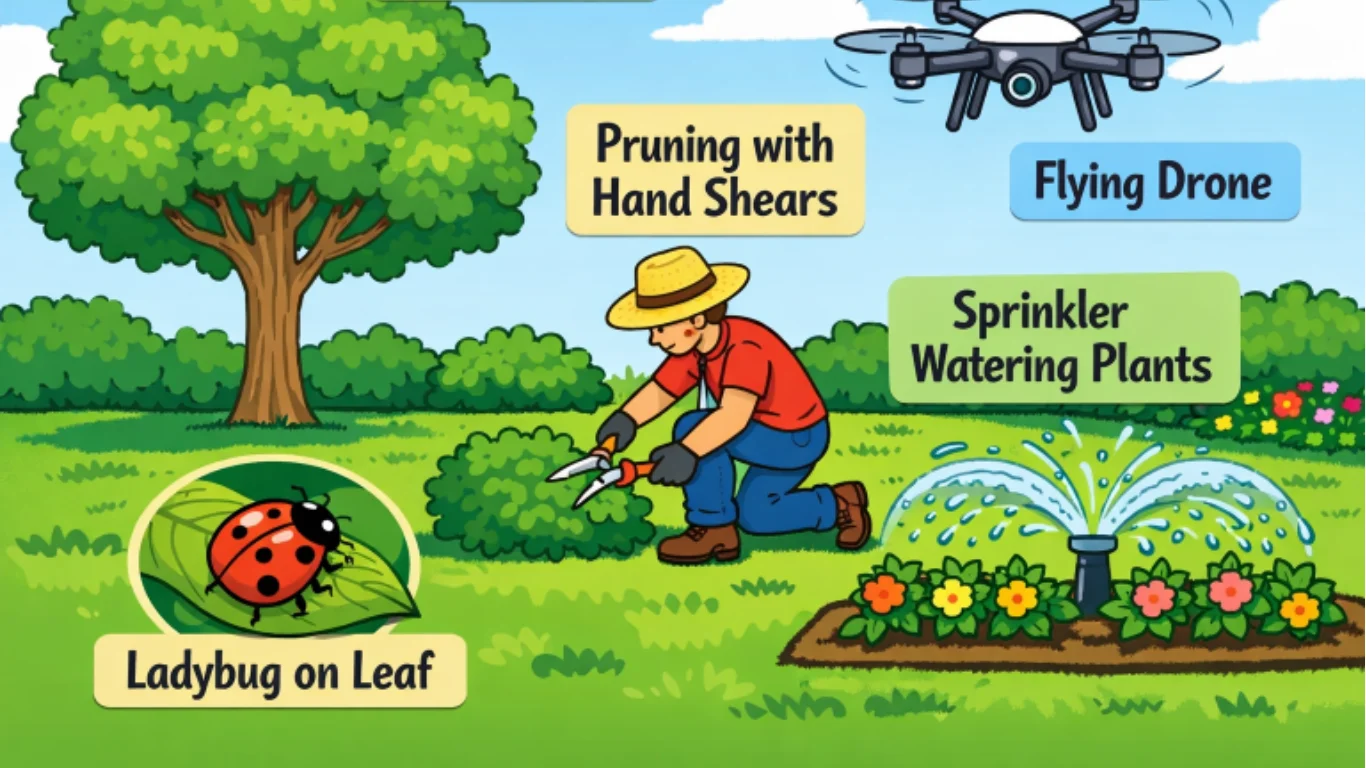
Everything begins with water, and more importantly, how it moves across your garden. A system that reaches every area properly keeps things looking even, full, and healthy. When water hits the right spots at the right time, plants settle in, grass stays consistent, and you don’t find yourself stepping in to correct random patches.
After some time, though, your sprinkler system can start to lose its consistency without making it obvious right away. A head might shift out of position, one zone may not get enough pressure, or certain areas begin receiving more water than others. Such issues slowly affect how your garden looks, leaving some spots dry while others stay overly saturated.
Staying on top of those changes through timely residential sprinkler repair helps keep everything balanced. Water continues reaching the right areas evenly, which allows your garden to hold its full, healthy look without needing constant manual adjustments from you.
Choosing Plants That Fit Your Climate
Plant selection decides how much attention your garden will require from you. Some plants settle into their environment and grow without fuss. Others demand extra watering, extra care, and constant watching. Choosing plants that already belong in your local conditions keeps everything running smoother.
You want plants that handle heat, rain, and seasonal shifts without reacting every few days. Once they’re in place, they grow into the space and hold it together. Your garden starts to feel stable and full without needing regular adjustments or rescue work.
Picking Low-Maintenance Grass Options
Grass covers a big part of your yard, so it impacts everything else. Some types stay thick and green without much effort. Others start thinning out or showing uneven color without regular attention.
Choosing the right type gives you a lawn that holds its appearance without needing constant upkeep. It grows evenly, fills in naturally, and keeps your yard looking clean without pulling you into a cycle of maintenance. You walk outside, and it looks right, no extra steps needed.
Using Mulch to Lock in Moisture
Mulch does a lot of work. It holds moisture in the soil, keeps roots comfortable, and helps plants stay settled. Without it, the ground dries out faster, and you end up watering more often than you planned.
Laying mulch around your plants gives your garden a kind of buffer. Water stays where it’s needed, the soil feels more stable, and plants stay in better shape through the day. It also keeps everything looking clean and intentional.
Reducing Lawn Areas Strategically
A yard full of grass looks nice, but it also brings a long list of tasks with it. Watering, mowing, and keeping everything even can take up more time than most people want to give. Shifting some of that space into ground covers or native plants changes how your garden behaves.
Those areas settle in and take care of themselves with far less input. They stay full, hold their place, and bring variety into your space.
Adding Smart Water Controls
A watering system that runs on its own schedule already takes pressure off your routine, but adding smart controls takes it a step further. Rain sensors and controllers adjust watering based on actual conditions, which means your garden gets what it needs without you stepping in to tweak anything. You’re not guessing, you’re not overwatering, and you’re not walking outside to fix timing issues.
Once this is in place, your garden starts responding to real weather instead of sticking to a fixed pattern. Rain hits, the system pauses. Dry days show up, watering continues as needed. It keeps everything balanced while you stay out of the process, which is exactly what a low-effort setup should feel like.
Creating Shade Where Needed
Sun exposure plays a huge role in how your garden behaves throughout the day. Certain areas soak up heat and dry out quickly, which puts more demand on your watering system and your time. Bringing in shade through trees, structures, or even strategic plant placement helps control how much direct sun hits those spots.
Once shade is introduced, moisture sticks around longer, and plants stay in better shape through the heat. You don’t have to chase dry areas or keep adjusting your watering schedule.
Choosing Perennials for Long-Term Growth
Perennials bring a kind of stability to your garden that annual plants just don’t offer. They come back season after season, filling in spaces without needing to be replaced or replanted. Once they’re in, they settle and become part of the structure of your garden.
This means less time spent reworking sections of your yard and more time enjoying how it looks. Your garden keeps its fullness without constant updates, and this steady presence makes everything feel easier to maintain. It’s one of those decisions that pays off quietly year after year.
Using Stone or Gravel in Key Areas
Every part of your garden doesn’t need to be covered in grass or plants. Bringing in stone or gravel creates areas that require almost no maintenance while still looking clean and intentional. These sections break up the space and give your yard a more balanced feel.
Stone areas don’t need watering, trimming, or constant attention. They stay exactly how you left them, which gives you breathing room in your overall routine. Placing them in the right spots reduces how much of your yard needs active care, making everything feel more manageable.
Maintaining Clear Pathways
Foot traffic affects your garden more than you might think. Walking over the same areas repeatedly can compact soil and affect how plants grow. Clear pathways guide movement through your space and protect the areas that need to stay undisturbed.
Defined walkways keep your garden organized and prevent unnecessary wear. They also make the space easier to move through, which adds to that clean, put-together feel. A tiny detail like this keeps your garden functioning well without adding extra work.
A lush garden with minimal effort comes down to how you set it up from the start and how you support it along the way. Every smart choice reduces how much attention your space requires from you. Once everything is in place, your garden holds its look and gives you the kind of outdoor space you actually enjoy stepping into.