Mold is one of those household problems that can go unnoticed until it becomes hard to ignore.
The truth is, mold is rarely just a surface issue. It often points to a deeper problem, usually related to moisture. Fixing it properly means more than just cleaning what you can see. It requires identifying the cause, understanding the extent of the damage, and choosing the right solution.
Before jumping into cleanup, it’s important to take a step back and assess the situation. Knowing what to expect, including the potential effort and cost involved, can help you make better decisions and avoid repeating the same problem later.
Understanding Mold Problems Before Taking Action
Mold is a type of fungus that thrives in damp and humid conditions. It grows on surfaces like wood, drywall, and fabric, feeding on organic material. Once it finds the right environment, it can spread quickly, often within 24 to 48 hours after moisture appears.
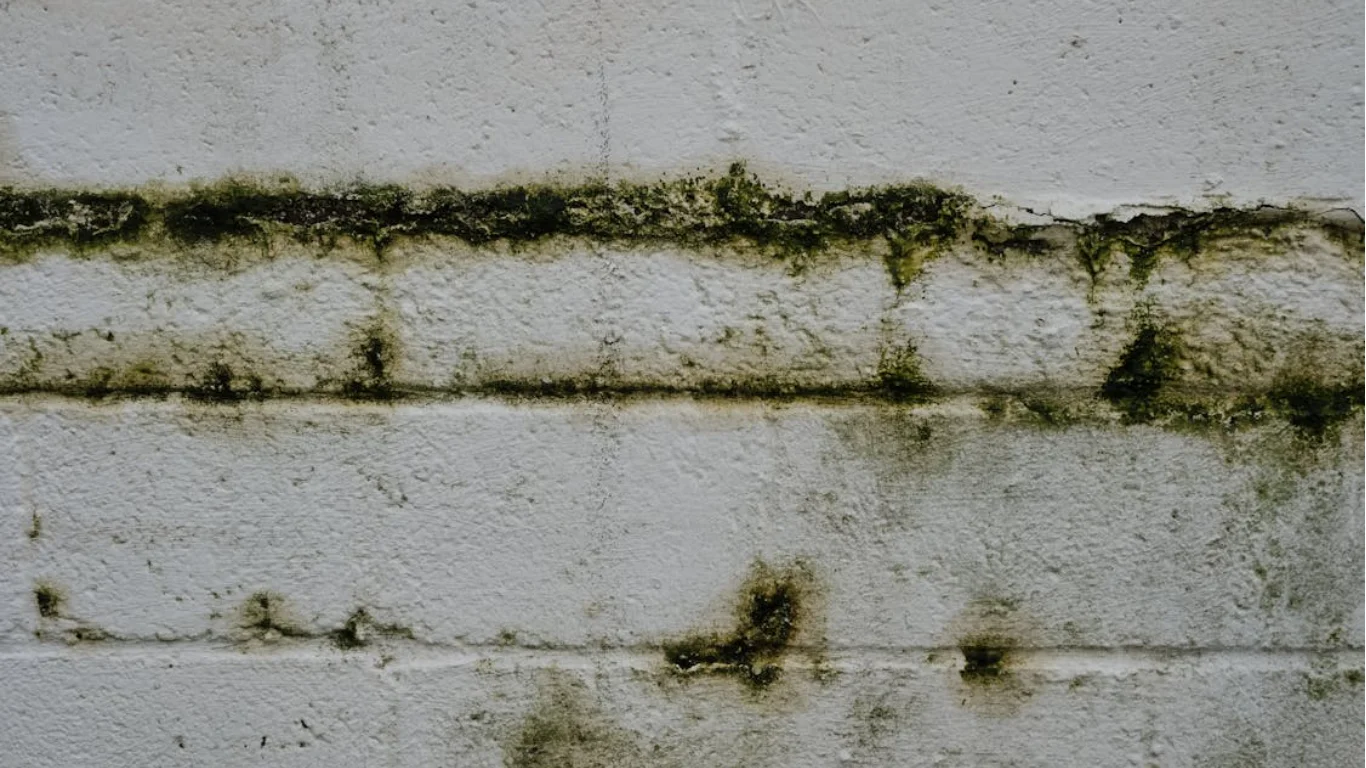
Common signs of mold include dark spots on walls or ceilings, peeling paint, and a persistent musty odor. In some cases, you may not see mold at all. It can grow behind walls, under flooring, or inside air ducts. That’s why it’s important to understand that what’s visible may only be part of the problem.
Before you begin any cleanup, take time to evaluate how serious the issue is. A small patch caused by minor moisture might be manageable on your own. But larger infestations or recurring mold usually mean there’s a deeper issue that needs professional attention.
It’s also important to think about the financial side of the process. So, you might ask, how much does mold remediation cost? Especially since the answer can vary depending on factors like the size of the affected area, how deeply the mold has spread, and whether structural repairs are needed.
Understanding both the problem and the potential cost helps you plan more effectively. Instead of rushing into a quick fix, you can choose a solution that addresses the root cause and prevents future issues.
Common Causes of Mold Growth
Mold doesn’t appear on its own. It needs moisture to grow. One of the most common causes is water leaks. A small drip under a sink or a hidden pipe leak can create the perfect environment for mold.
High humidity is another major factor. Homes without proper ventilation, especially in bathrooms and kitchens, tend to trap moisture. Over time, this leads to mold buildup.
Flooding or water damage can also trigger rapid mold growth if not addressed quickly. Even something as simple as condensation on windows or walls can contribute to the problem if it happens regularly.
Identifying the source of moisture is the first step in solving any mold issue. Without fixing the cause, the mold is likely to return.
DIY vs. Professional Mold Removal
Not all mold problems require professional help, but not all can be handled on your own either. Small areas, such as minor surface mold, can often be cleaned with proper precautions.
However, DIY removal comes with risks. Without the right equipment, you may not remove all the mold, or you might spread spores to other areas of your home. This can make the situation worse instead of better.
Professional mold removal offers a more thorough solution. Experts have the tools and experience to identify hidden mold, safely remove it, and address the underlying cause. They also take steps to prevent future growth.
Choosing between DIY and professional help depends on the size and severity of the problem. When in doubt, it’s better to seek expert advice.
Health Risks of Mold Exposure
Mold can have a direct impact on your health, especially when it spreads indoors. Mold spores can become airborne and enter your respiratory system.
Typical signs include coughing, sneezing, irritated eyes, and skin discomfort. Those with asthma or allergies may notice these symptoms becoming more intense. Young children, seniors, and individuals with weakened immune systems are particularly at risk.
Long-term exposure to mold can lead to more serious respiratory issues. That’s why it’s important to address mold problems as soon as possible.
Keeping your home free from mold isn’t just about cleanliness. It’s about creating a healthier living environment.
Preparing Your Home for Mold Removal
Before starting any mold cleanup, preparation is essential. First, isolate the affected area to prevent spores from spreading to other parts of your home.
Wear protective gear such as gloves, masks, and eye protection. This helps reduce your exposure to mold spores and cleaning chemicals.
Make sure the area is well-ventilated. Open windows or use fans to improve airflow during the cleanup process.
Taking these steps not only protects your health but also makes the removal process more effective.
Steps to Fix Mold Issues Safely
If the mold problem is small, you can start by cleaning the affected area with appropriate solutions. Avoid using harsh chemicals without proper guidance, and never mix cleaning products.
Scrub the surface gently and dispose of any materials that cannot be fully cleaned, such as damaged drywall or carpet. It’s important to remove all traces of mold, not just what’s visible.
One common mistake is covering mold with paint or sealant without removing it first. This doesn’t solve the problem. It only hides it temporarily.
Always focus on removing the mold completely and fixing the moisture issue that caused it.
Preventing Mold from Returning
Once you’ve dealt with mold, prevention becomes the priority. The most effective way to prevent mold is by controlling moisture.
Fix leaks as soon as they appear, no matter how small. Use dehumidifiers in areas with high humidity and ensure proper ventilation throughout your home.
Regular cleaning and inspections can help you catch early signs of mold before they become serious. If you’re making home improvements, consider using mold-resistant materials in moisture-prone areas.
Consistency is key. Small efforts can prevent big problems in the future.
When to Seek Professional Help
There are situations where professional help is necessary. If mold covers a large area, keeps returning, or is hidden behind walls or ceilings, it’s best to call experts.
Professionals can assess the full extent of the problem and provide a complete solution. They also have specialized equipment to safely remove mold and prevent it from spreading.
Seeking help at the right time can save you from more extensive damage and higher costs later on.
Dealing with mold at home can feel overwhelming, but it doesn’t have to be. The key is to approach the problem with the right knowledge and a clear plan.
By understanding what causes mold, evaluating the situation carefully, and choosing the right method for removal, you can protect both your home and your health. Whether you handle a small issue yourself or call in professionals for larger problems, taking action early makes all the difference.
With consistent maintenance and attention to moisture, you can prevent mold from coming back and enjoy a cleaner, safer living space.