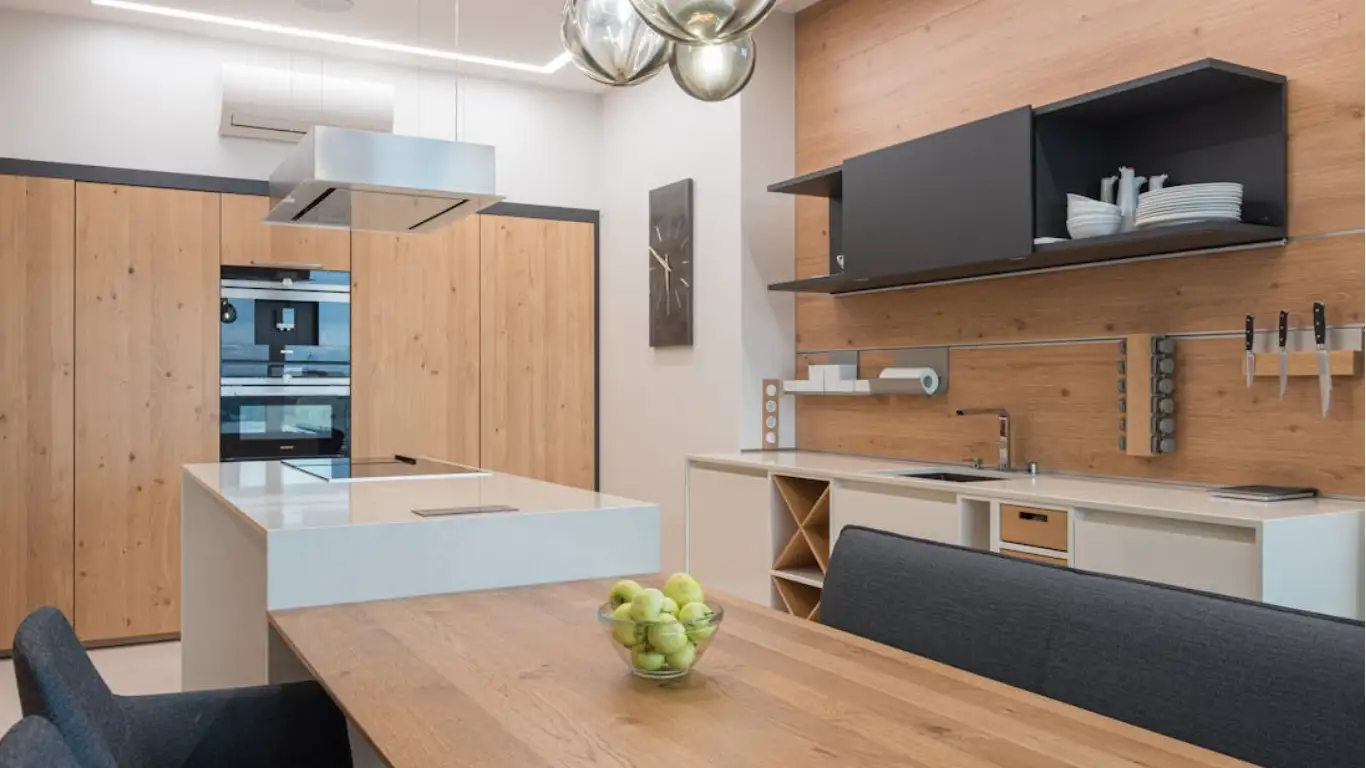
Winter often pushes us indoors for longer stretches of time. Cold mornings, early sunsets, and quiet evenings make the comfort of home more important than ever. When your indoor space feels warm, functional, and welcoming, winter becomes something to enjoy rather than endure. Small upgrades can change how your home feels during colder months, from improving warmth to creating better spaces for connection and relaxation.
Preparing your home for winter does not require major renovations or dramatic changes. Thoughtful improvements focused on comfort, efficiency, and usability can make everyday living smoother and more enjoyable.
This article will guide you through some winter-focused upgrades that help create a cozier, more comfortable home for the season.
Seal Drafts and Improve Insulation
Cold air entering your home makes winter uncomfortable and expensive. Drafts force heating systems to work harder and often leave certain rooms feeling colder than others. Small gaps around doors, windows, and baseboards allow warm air to escape without notice. Addressing these problem areas can quickly improve indoor comfort. Weather stripping around doors and sealing window gaps with caulk helps maintain steady temperatures. Insulation also plays a major role. Attics and crawl spaces often lose heat first, so checking insulation levels before winter begins makes a real difference in comfort.
Ensure Your Fireplace Is Functioning Optimally
A fireplace often becomes the center of the home during winter. It provides warmth, creates a relaxing atmosphere, and encourages people to gather. Families and friends tend to spend more time talking, sharing stories, or enjoying quiet moments when a fire burns steadily. To enjoy these benefits safely, the fireplace needs proper care. Soot buildup and debris can block airflow and reduce performance. Regular chimney maintenance helps prevent these issues and supports efficient burning. Scheduling a professional cleaning allows homeowners to experience the full benefits of chimney sweeping, including improved safety and better heat output. A clean, well-functioning fireplace keeps winter evenings warm and inviting.
Upgrade Your Heating System Controls
Temperature control affects comfort more than many people realize. A thermostat that responds to your daily routine helps maintain steady warmth without constant adjustments. Programmable and smart thermostats allow you to lower the temperature when you sleep or leave the house and raise it before you return. This approach keeps rooms comfortable without wasting energy. Better control also prevents overheating, which often makes indoor spaces feel dry or stuffy. When your heating system responds accurately, every room feels more consistent and comfortable throughout winter.
Improve Indoor Air Quality During Winter
Cold weather keeps windows closed for longer periods, which traps dust and allergens indoors. Dry air also becomes common during winter, leading to discomfort and irritation. Improving air quality helps your home feel healthier and more comfortable. Replacing air filters regularly keeps heating systems running efficiently and reduces airborne particles. Adding a humidifier introduces moisture into dry indoor air, which can ease breathing and reduce static buildup. Clean air supports better sleep and helps everyone feel more comfortable while spending more time indoors.
Focus on Warm Flooring Solutions
Cold floors can make a room feel uncomfortable even when the air feels warm. Heat often escapes through floors, especially in older homes or rooms above garages. Area rugs help insulate floors and add warmth underfoot. Thicker materials provide better heat retention and improve comfort in living areas and bedrooms. Flooring upgrades also reduce heat loss and make spaces feel more inviting. When your feet stay warm, the entire room feels more comfortable during winter.
Create Cozy Lighting for Shorter Days
Winter days feel shorter, and dim lighting often makes indoor spaces feel dull. Thoughtful lighting helps counter that effect and improves comfort during long evenings. Relying only on overhead lights can create harsh shadows and make rooms feel less inviting. Adding table lamps, floor lamps, and soft wall lighting creates a warmer atmosphere. Warm-toned bulbs reduce glare and make living spaces feel calmer. Good lighting also supports daily activities such as reading, cooking, or relaxing after work. When light feels balanced and comfortable, spending time indoors becomes more enjoyable.
Optimize Window Treatments for Warmth
Windows allow natural light into your home, but they also let heat escape during winter. Choosing the right window treatments helps maintain warmth without blocking daylight. Thermal curtains and insulated blinds reduce drafts and keep rooms warmer throughout the day. Closing them at night adds another layer of insulation, while opening them during the day allows sunlight to naturally warm the space. This balance helps regulate indoor temperatures without overusing heating systems.
Upgrade Bedding and Bedroom Comfort
Sleep quality often changes during winter, especially when bedrooms feel cold or uncomfortable. Upgrading bedding helps create a more restful environment. Thicker comforters, layered blankets, and breathable fabrics help regulate body temperature overnight. Soft textures also add a sense of comfort that supports relaxation. Bedroom comfort goes beyond warmth. Proper lighting, minimal drafts, and quiet heating systems help improve sleep. When bedrooms feel calm and warm, restful sleep becomes easier during colder months.
Maintain Plumbing to Prevent Winter Issues
Plumbing problems often surface during winter, especially when temperatures drop suddenly. Cold pipes risk freezing, which can lead to damage and disruptions. Insulating exposed pipes in basements, garages, or crawl spaces helps maintain water flow. Checking for small leaks before winter also prevents larger issues later. Reliable plumbing supports daily comfort by ensuring hot water and steady water pressure. Preventive maintenance reduces stress and keeps your home functioning smoothly throughout the season.
Create Shared Spaces That Invite Togetherness
Winter encourages people to spend more time indoors, making shared spaces more important. Arranging furniture to support conversation and comfort helps bring people together. Sofas and chairs positioned near heat sources create natural gathering spots. Adding soft textiles such as throws or cushions increases warmth and comfort. Shared spaces work best when they feel relaxed and practical. A welcoming layout encourages conversation, board games, or quiet evenings spent together. These spaces help turn winter evenings into meaningful moments.
Winter offers an opportunity to rethink how your home supports daily life. Comfort comes from details that make spaces feel welcoming, functional, and easy to enjoy. When your home adapts to the season, it supports better routines and stronger connections. Thoughtful upgrades help create a space that feels steady and enjoyable, even during the coldest months.