Modernisation has currently taken over interior design, and let’s be real — it’s looking promising. Homeowners are increasingly embracing clean lines, dramatic colors, and an uncluttered aesthetic. If this sounds like your vibe, we’ll help you get started.
Here are six contemporary interior design tips that can ensure a sophisticated look:
Open Layouts
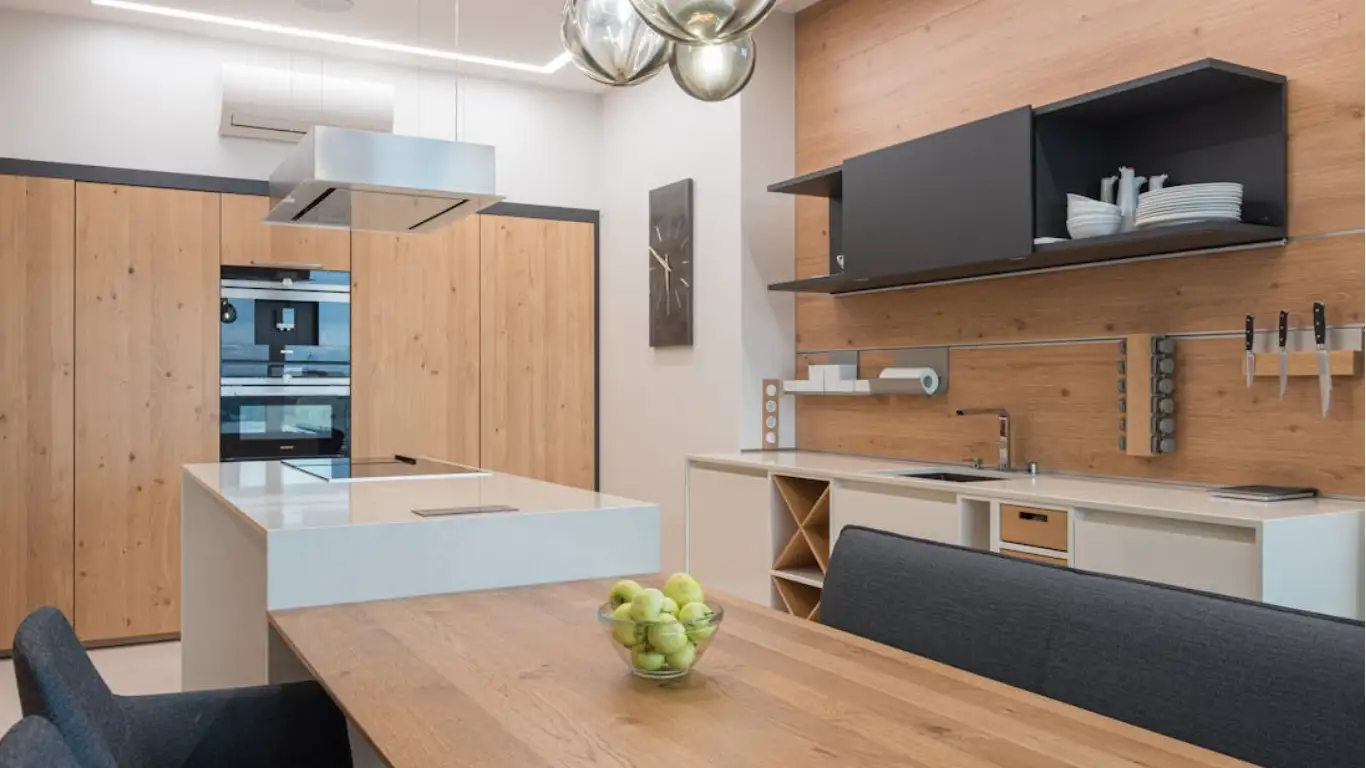
The term ‘open layouts’ has become a buzzword in the interior design industry. But what does it actually mean? An open floor plan is a home layout in which two or more common spaces are connected. The trick is to remove partition barriers to make the living environment feel larger and more modern.
Open layouts create a seamless flow between living, dining, and kitchen areas. This helps:
- Enhance natural light and airflow
- Increase social interaction and togetherness
- Improve functionality and versatility
Consider this: an open floor plan can be easily adapted to changing needs. You can turn the space into a home office, a play area, or a large dining area by rearranging the furniture.
Loads of Natural Light
Natural light is a fundamental element in interior design. It makes rooms feel more open, airy, and spacious. This goes for both studio apartments and luxury villas.
Here are some ways you can maximise natural light:
- Remove non-load-bearing walls to improve light flow between rooms.
- Widen doorways.
- Install skylights or light tubes.
- Install sheer curtains instead of heavy drapes.
- Place mirrors opposite or adjacent to windows to reflect sunlight into darker corners.
- Paint walls, ceilings, and floors with light colors to reflect light.
Luxury Seating
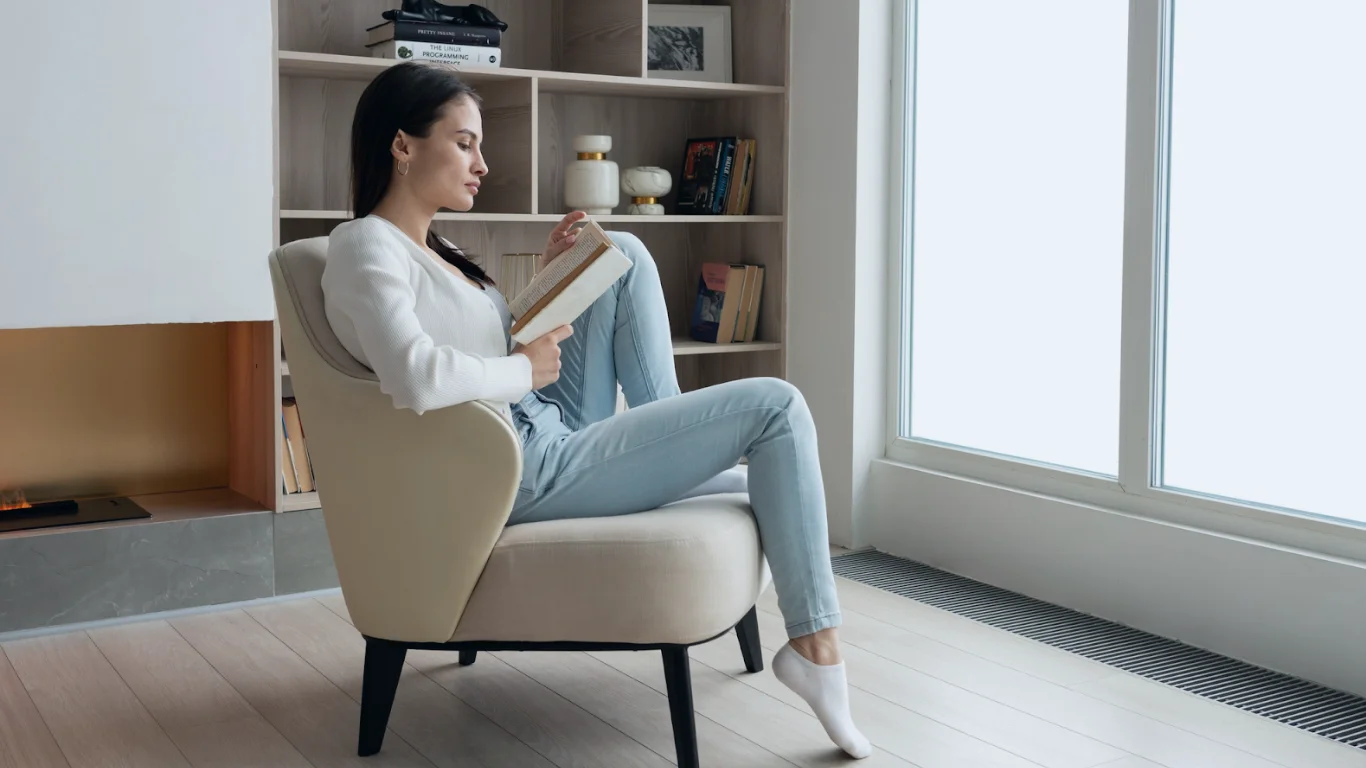
Luxury seating is the heart of contemporary interiors. It’s not just about having a place to sit, but elevating the aesthetic of any room. A plush velvet sofa, a sleek leather armchair, or a sculptural curved lounge couch instantly elevates the room.
Pro tip? Choose quality over quantity. Whether you’re looking into armchairs or a lounge couch, go for a high-end piece that can draw the eye and ground the room’s design.
Layered Lighting
Natural light is a core principle of modern design. But you can enhance the overall aesthetic by layering lighting. The key three layers of lighting include:
Ambient lighting: It provides overall illumination and acts as the base layer. Examples include ceiling fixtures and recessed lights.
Task Lighting: This is your second layer. It is used for specific activities, such as reading, cooking, or working. Examples include table lamps or under-cabinet lights.
Accent Lighting: It is installed for highlighting specific features or architectural elements. Examples include spotlights and wall scones.
Implementing layered lighting is a whole other chapter. Start with the basics. Aim for five to seven light sources in a room for maximum design impact. Then, use dimmers to control the intensity of each layer as per the room’s mood, be it cozy or bright.
Accent Walls
Accent walls create a high-end, luxury look by adding character to your home. Go for materials like marble or wood paneling. And opt for deep, saturated colors. These features draw the eye to architectural features and can elevate the space’s overall sophistication.