Winter brings a cozy atmosphere with chilly nights and the warmth of a roaring fire, but it also highlights the importance of keeping home heating systems and chimneys in safe, working order. Regular inspection and maintenance of your chimney can prevent blockages, creosote buildup, and other hazards that may lead to smoke damage or even house fires. Ensuring that the flue, damper, and chimney cap are in proper condition helps maintain efficient airflow and protects both your home and family during the colder months.
In addition to chimney maintenance, monitoring your overall heating system is crucial for winter comfort and safety. Homeowners should be aware of any irregularities in furnace performance and seek professional assistance when necessary. Searching for services like furnace repair near me can help identify and address issues promptly, reducing the risk of breakdowns during peak winter. Taking these preventive steps creates a safer and more reliable home heating environment throughout the season.
Schedule Annual Chimney Inspections
Professional chimney inspections are non-negotiable for ensuring your fireplace and chimney are safe to use. Certified chimney sweeps check for structural weaknesses, creosote accumulation, flue blockages, and other potential dangers. Issues discovered during inspections, such as cracked masonry or deteriorated liners, may go unnoticed without an expert’s eye. Regular inspection and cleaning prevent a significant percentage of heating-related fires.
Clean Your Chimney Regularly
Creosote—an oily, tar-like byproduct created from burning wood—can quickly become a fire hazard if allowed to accumulate. It’s recommended to have your chimney cleaned at least once a year, more often if you use your fireplace regularly. Sweeping removes not just creosote but also any bird nests, leaves, or debris that could block airflow, forcing harmful gases back into living spaces.
Use Seasoned Wood for Burning
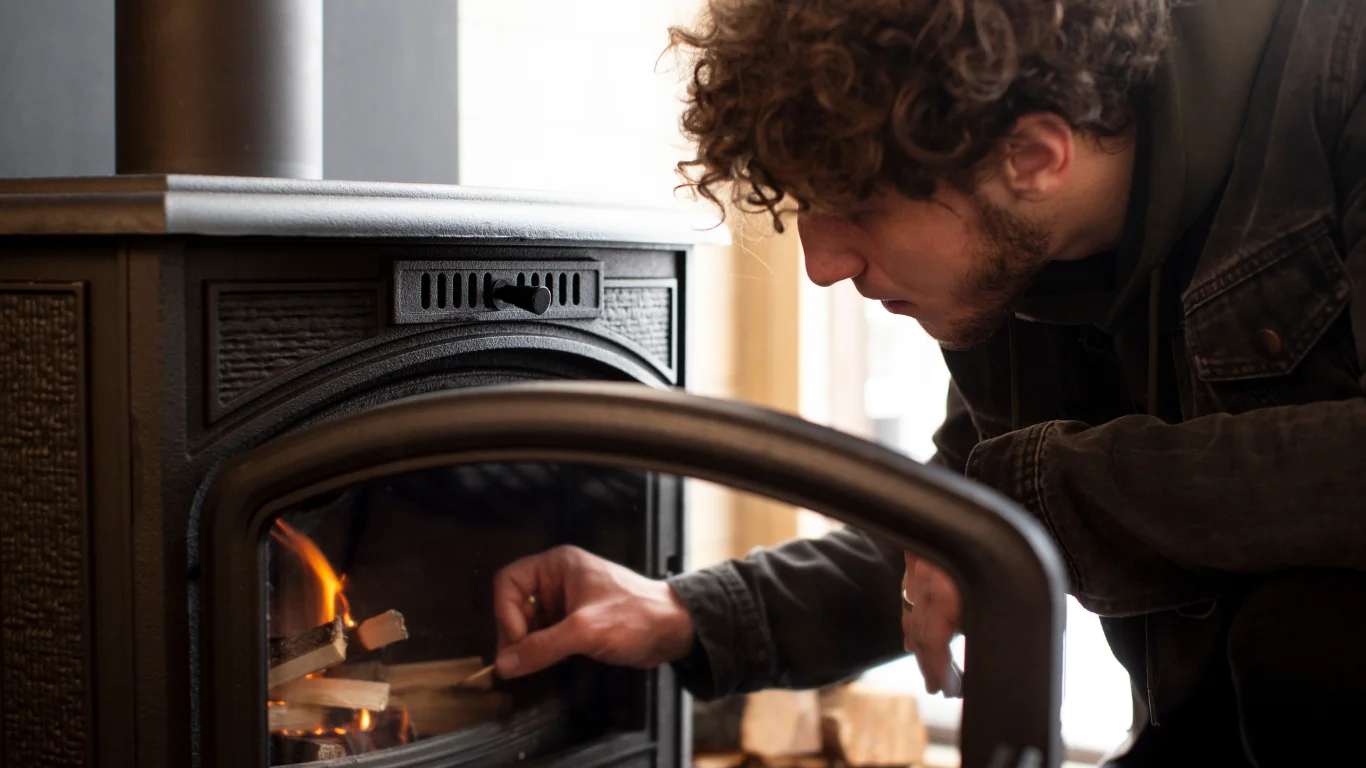
Choosing dry, seasoned wood is fundamental to safe and efficient fireplace operation. Green or untreated wood contains excess moisture, which leads to more smoke, cooler chimney temperatures, and rapid creosote formation. Seasoned wood, split and left to dry for at least six months, produces more heat and fewer emissions. This simple adjustment not only safeguards your chimney but also keeps your fuel costs down.
Install and Maintain Smoke and Carbon Monoxide Detectors
Even with diligent maintenance, smoke or silent, deadly carbon monoxide can escape when something goes wrong. This is why functioning detectors are required in every home, ideally placed on each floor and near sleeping quarters. Test alarms monthly and replace batteries at least twice a year, or as instructed by the manufacturer. Proper alarms turn potential tragedies into minor incidents by providing crucial early warnings to you and your family.
Proper Ash Disposal
Ashes may appear dormant, but can retain heat for days, smoldering and reigniting unexpectedly. After the ashes have cooled, transfer them into a metal container with a tight-fitting lid. Store this container outside, well away from your home, deck, or garage. Keeping ashes at least ten feet away from any structure minimizes the chance of accidental fires caused by hidden embers—a safety guideline strongly advised by experts and fire departments.
Install a Chimney Cap
A properly installed chimney cap acts as a first line of defense against rain, snow, animals, and wind-blown debris. Without a cap, moisture can enter and damage chimney components, encouraging mold growth, and birds or squirrels may nest inside, creating hazardous obstructions. An effective cap also helps prevent downdrafts, keeping smoke and fumes out of your living space. Regularly inspect and maintain your chimney cap for damage or wear, especially after storms.
Maintain Proper Clearance Around the Fireplace
To reduce fire risks, furniture, rugs, drapes, and other flammable items should be kept at least three feet away from open flames or hot surfaces. Use fire-resistant hearth rugs and a sturdy fireplace screen to prevent stray embers and sparks from escaping. Practicing this simple habit is a critical layer of home protection during the heating season.
Be Cautious with Space Heaters
Space heaters can supplement heat output, but they require careful handling to avoid hazards. Always set heaters on level, fireproof surfaces and keep them away from combustible objects. Never leave space heaters running unattended or overnight. For more detailed safe heating guidelines, visit the Consumer Product Safety Commission’s winter home safety article.
Conclusion
Maintaining your chimney and fireplace during winter is essential for both safety and efficiency. Regular inspections, proper fuel usage, functioning detectors, and careful operation of supplemental heating devices ensure a warm, safe, and hazard-free home. By following these best practices, homeowners can enjoy the comfort of a cozy fire while minimizing risks throughout the season.