Trees add beauty, shade, and value to Richmond properties, but unmanaged growth can quickly become a safety concern. Property owners often underestimate how fast branches can turn into hazards.
For businesses and homeowners alike, Commercial Tree Trimming services help maintain safety while preserving tree health. The right approach prevents accidents, protects buildings, and keeps landscapes attractive.
This guide explains safe tree trimming practices, when to act, and how to choose experts who protect both your trees and your investment.
Key Takeaways
- Safe commercial tree Trimming protects property, people, and long-term tree health in Richmond.
- Professional arborists reduce liability risks for commercial property trees and ensure compliance.
- Regular inspections prevent costly emergencies and structural damage.
- Choosing certified experts improves safety, aesthetics, and property value.
What Is Safe Tree Trimming?
Safe tree trimming refers to removing or shaping branches to improve tree health, safety, and appearance without harming the tree or surrounding structures. In Richmond, where mature trees are common, trimming often balances aesthetics with risk management.
Many people confuse trimming with pruning or removal. Trimming usually focuses on shape and safety, while pruning targets health and growth patterns. Removal is a last resort when trees become unsafe.
Safety matters especially for commercial property trees. Overgrown branches can block signage, damage roofs, or create hazards for customers and employees. Proper trimming also supports healthier growth and reduces storm vulnerability.
Treat trimming as preventive maintenance rather than a reaction to visible damage.
When Tree Trimming Is Necessary
Trees rarely show obvious distress until problems become serious. Early recognition helps avoid property damage and costly emergency work.
Signs often include uneven canopy growth, dead limbs, fungal spots, or branches hanging over structures. Commercial sites frequently require more frequent inspections due to higher foot traffic and liability exposure.
Seasonal timing matters in Richmond. Late winter trimming typically minimizes stress on trees, while pre-storm season checks reduce risks from falling limbs.
Quick checklist:
- Dead or cracked branches visible
- Branches touching buildings or wires
- Signs of disease or pest activity
- Rapid canopy growth affecting visibility
Routine inspections reduce emergency expenses and extend tree lifespan.
Safety Standards and Regulations in Richmond
Tree trimming is not just landscaping. It involves legal, environmental, and safety considerations that vary by location. Richmond municipalities often regulate protected trees and trimming permits.
Commercial properties face stricter oversight due to public safety concerns. Insurance providers may require documented maintenance for liability coverage.
Typical Compliance Differences
| Factor | Residential Properties | Commercial Properties |
| Permit likelihood | Moderate | Higher |
| Liability exposure | Lower | Significant |
| Inspection frequency | Occasional | Regular |
| Insurance documentation | Optional | Often required |
Professional arborists typically follow recognized safety standards and certification guidelines. These ensure proper climbing practices, equipment use, and risk mitigation.
Compliance protects both property owners and contractors from legal complications.
DIY vs Professional Tree Trimming
Handling small shrubs or ornamental trees may be manageable for homeowners. However, larger trees introduce risks that many underestimate.
Ladders, chainsaws, and unpredictable branch weight can quickly turn a simple job dangerous. Commercial environments raise stakes further because injuries may involve customers or employees.
When DIY May Work
- Small trees under manageable height
- Minor shaping or dead branch removal
- Clear distance from structures and wires
When Professionals Are Essential
- Large or mature trees
- Trees near buildings, power lines, or roads
- Any commercial tree Trimming requirement
A Richmond retail complex recently avoided major damage after a professional inspection identified weakened branches before a storm. That preventive step saved thousands in repairs.
If risk exists, professional expertise is usually the safer investment.
Safe Tree Trimming Techniques Professionals Use
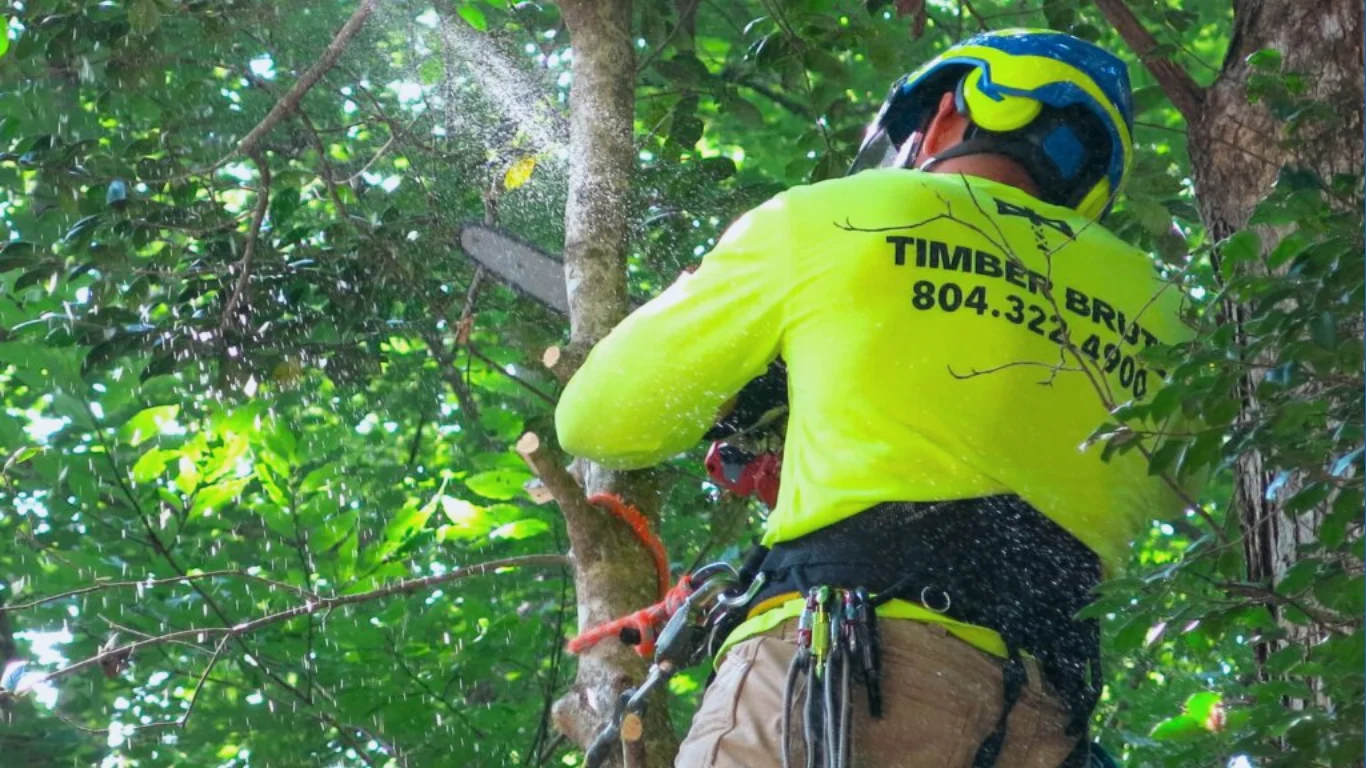
Professional arborists rely on specific techniques that protect both tree health and surrounding property. Proper cutting angles, timing, and structural awareness make a significant difference.
Incorrect trimming can weaken a tree permanently. Experts focus on preserving natural growth patterns while eliminating hazards.
Core Techniques
- Crown thinning for airflow and light penetration
- Crown reduction to control height and spread
- Deadwood removal to prevent falling limbs
- Structural pruning for stability
Equipment and Safety Gear
- Climbing harnesses and ropes
- Bucket trucks for tall trees
- Chainsaws designed for arboriculture
- Personal protective equipment
Technique Comparison
| Technique | Purpose | Risk Level | Best Use Case |
| Crown thinning | Improve airflow | Low | Dense canopy |
| Crown reduction | Control size | Moderate | Urban settings |
| Deadwood removal | Safety | Low | Aging trees |
| Structural pruning | Stability | Moderate | Young trees |
Technique selection determines both safety outcomes and long-term tree health.
Commercial Property Tree Management Strategy
Businesses benefit from structured tree care plans rather than reactive trimming. Consistency improves safety, aesthetics, and cost control.
Customers often judge commercial spaces by appearance. Healthy, well-trimmed trees signal professionalism and care.
Routine inspections identify issues before they escalate. Many Richmond businesses schedule annual arborist assessments combined with seasonal maintenance.
Budgeting also improves when trimming becomes predictable. Preventive care generally costs less than emergency storm cleanup or liability claims.
Choosing a Tree Trimming Service in Richmond
Selecting the right provider can determine whether trimming improves safety or creates new risks. Experience, credentials, and transparency should guide your decision.
Local expertise matters. Arborists familiar with Richmond conditions understand regional species, climate patterns, and regulatory expectations.
Questions to Ask Providers
- Are you insured and certified?
- What safety protocols do you follow?
- Can you provide recent project examples?
- Do you handle permit requirements?
Red Flags
- Extremely low quotes
- Lack of insurance documentation
- No written safety procedures
Cost Factors for Tree Trimming
Pricing varies widely based on tree size, accessibility, and risk factors. Commercial sites often involve higher costs due to safety requirements and specialized equipment.
Location complexity, height, and nearby structures also influence pricing. Emergency services typically cost more than scheduled maintenance.
Accurate quotes usually require on-site evaluation. Estimates without inspection may miss critical risk factors.
Investing in proper trimming often prevents far larger repair costs later.
Frequently Asked Questions
How often should trees be trimmed in Richmond?
Most trees benefit from trimming every 1 to 3 years, depending on species, age, and location. Commercial properties often require more frequent inspections.
Is tree trimming required for commercial properties?
While not always mandatory, safety regulations and insurance policies often expect routine maintenance for commercial property trees.
What is the safest time of year for tree trimming?
Late winter is generally safest because trees are dormant, which reduces stress and disease risk.
Can trimming damage a tree?
Yes, improper cuts or excessive trimming can weaken trees. Professional techniques help avoid long-term damage.
Do I need a permit to trim large trees in Richmond?
Some protected species or locations require permits. Local authorities or arborists can clarify requirements.
How do professionals trim tall trees safely?
Arborists use harness systems, bucket trucks, and specialized saws while following strict safety protocols.
Conclusion
Safe tree trimming protects property value, reduces liability, and supports healthier landscapes in Richmond. Both homeowners and businesses benefit from proactive care and professional expertise.
If you manage commercial property trees or want safer, healthier greenery, consider consulting experienced arborists. Professional guidance today can prevent costly issues tomorrow and keep your landscape looking its best.