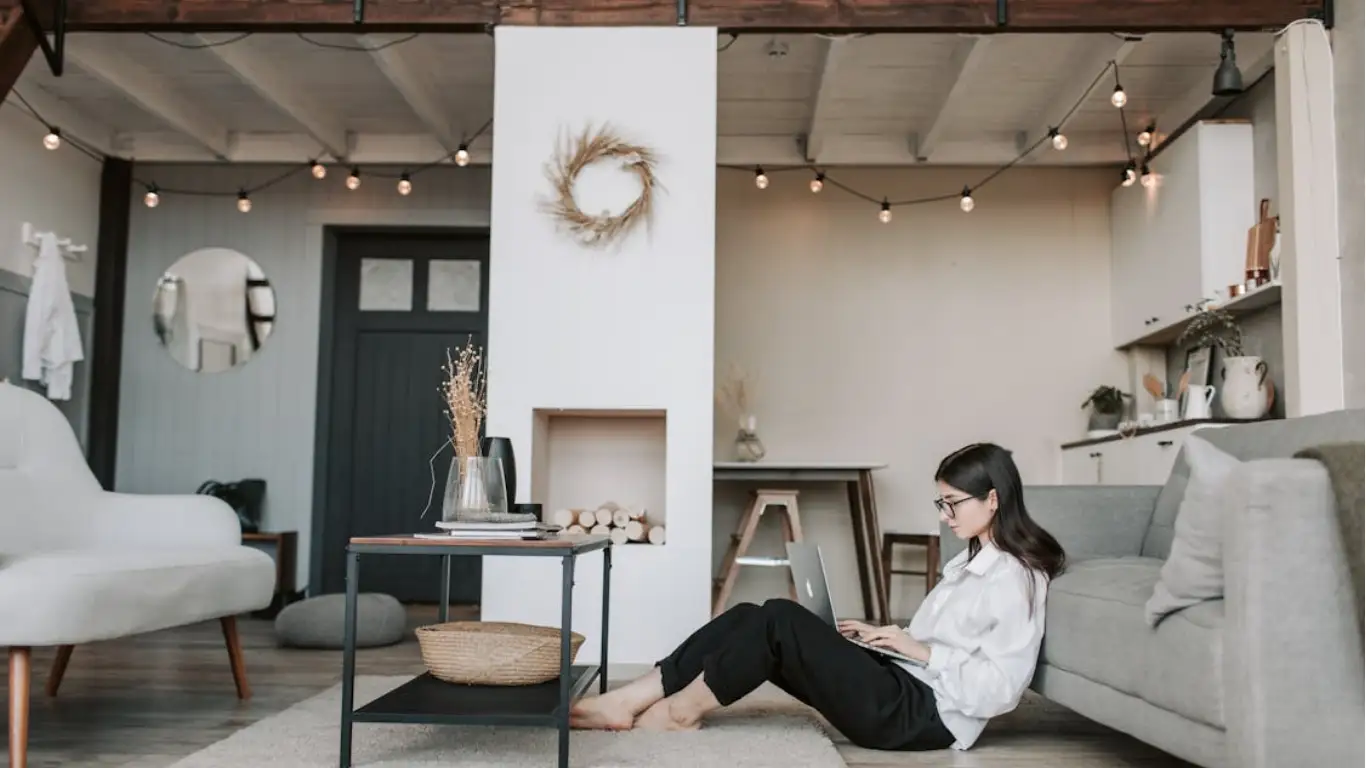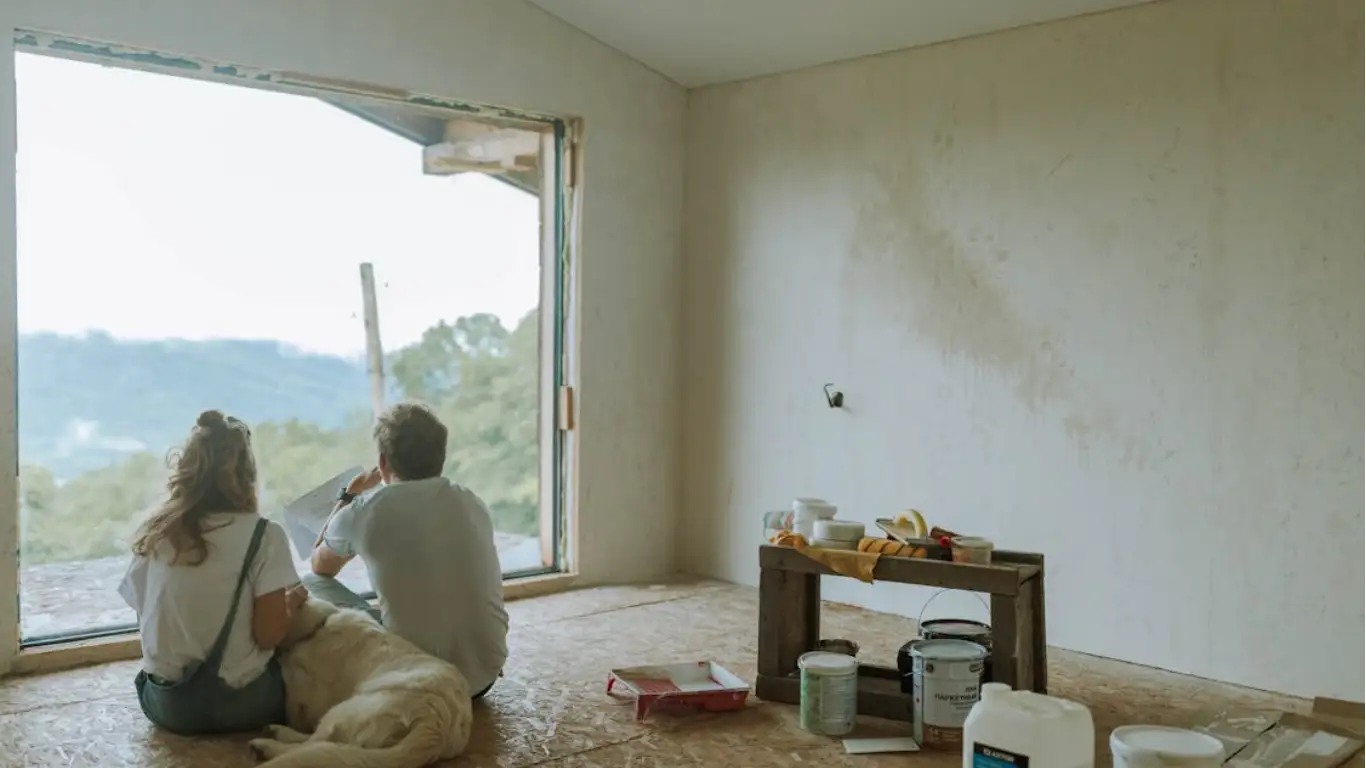
A home should do more than look good; it should support daily life with ease and intention. Every space can either help or hinder routines, from rushed mornings to slow evenings. Thoughtful design brings comfort, clarity, and efficiency into everyday habits. Instead of reacting to a home’s layout, a well-planned space works with natural rhythms. Small changes often create meaningful improvements. Storage, lighting, and flow all shape how a day unfolds. A home that aligns with real routines reduces stress and saves time. With careful planning, any space can become more supportive, practical, and enjoyable to live in.
1. Understand Your Daily Flow
A clear understanding of daily habits sets the foundation for a functional home. Start by observing how mornings, afternoons, and evenings unfold. Notice where clutter builds, where movement slows, and where comfort feels lacking. Map out common pathways between rooms and identify friction points. A kitchen placed far from the dining area, for example, interrupts flow. Small inefficiencies add up over time. Once patterns become visible, decisions feel easier and more intentional. Design should follow behavior, not the other way around. When spaces reflect real routines, they naturally feel more supportive and easier to use every single day.
2. Plan Functional Layout Changes
Layout changes often deliver the biggest impact on daily comfort and efficiency. Walls, doorways, and furniture placement shape how smoothly activities unfold. Open pathways improve movement, while defined zones support focus and organization. Consider how each room connects to the next and how frequently each space gets used. A thoughtful plan reduces wasted steps and creates a natural rhythm throughout the home. Working with a remodeling contractor can help translate ideas into practical solutions that fit both structure and lifestyle. Smart layout decisions ensure that every space serves a clear purpose without creating unnecessary obstacles or distractions.
3. Design a Purpose-Driven Kitchen
The kitchen often acts as the center of daily activity, so it should support both function and ease. Arrange appliances, prep areas, and storage in a logical sequence to reduce unnecessary movement. Keep frequently used items within reach and organize cabinets to match cooking habits. Adequate counter space allows smoother meal preparation, while proper lighting improves safety and visibility. A clutter-free environment keeps focus on tasks instead of distractions. Every design choice should serve a purpose. When a kitchen aligns with real routines, cooking feels less stressful and more enjoyable, even during busy mornings or demanding evenings.
4. Create a Calm and Efficient Bedroom
A bedroom should support rest and relaxation without distractions. Start by removing clutter and limiting unnecessary furniture. Keep surfaces clean and store items out of sight to maintain a peaceful atmosphere. Soft lighting helps signal the body to unwind, while blackout curtains improve sleep quality. Choose calming colors that reduce visual noise and create a sense of balance. Position the bed to allow easy movement and a clear line of sight to the door. A well-organized bedroom encourages better sleep and smoother mornings. Simplicity in design often leads to deeper comfort and a more consistent routine.
5. Optimize Storage for Everyday Use
Effective storage keeps daily routines running smoothly without constant effort. Place storage solutions where items get used most often to reduce back-and-forth movement. Use vertical space to maximize capacity without crowding rooms. Clear labeling and simple organization systems make it easier to maintain order over time. Hidden storage options reduce visual clutter while keeping essentials accessible. Avoid overcomplicated setups that require extra steps to use. When storage aligns with habits, organization feels natural rather than forced. A well-planned system prevents buildup, saves time, and keeps the home feeling clean and manageable throughout even the busiest days.
6. Improve Lighting for Each Activity
Lighting plays a major role in how a space feels and functions. Different activities require different types of light, so layering becomes essential. Use bright, focused lighting for tasks such as cooking or reading. Add softer ambient lighting to create a relaxed atmosphere in living areas. Natural light should remain a priority whenever possible, as it improves mood and energy levels. Adjustable options, such as dimmers, allow greater control throughout the day. Poor lighting can strain the eyes and reduce comfort. Thoughtful lighting design supports productivity during active hours and relaxation during quieter moments at home.
7. Build Flexible Living Spaces
Modern routines often require spaces that serve more than one purpose. A living room might double as a workspace, while a dining area could host both meals and meetings. Flexible furniture, such as foldable desks or modular seating, allows easy transitions between activities. Keep layouts adaptable so rooms can evolve with changing needs. Avoid overcrowding spaces with fixed elements that limit movement. Flexibility encourages better use of available space without sacrificing comfort. When rooms adapt to different tasks, the home feels more dynamic and practical, supporting both productivity and relaxation without requiring constant rearrangement or compromise.
8. Support Wellness Through Design
A home should promote both physical and mental well-being. Fresh air, natural light, and comfortable materials all contribute to a healthier environment. Incorporate plants to improve air quality and create a calming visual effect. Choose ergonomic furniture that supports posture and reduces strain during long periods of use. Design quiet areas for relaxation or reflection, even in smaller homes. Noise control also plays an important role in maintaining focus and comfort. Wellness-focused design does not require major changes; small adjustments can make a noticeable difference. A supportive environment encourages better habits and a more balanced daily routine.
A home that supports daily routines does not rely on trends or excessive upgrades. It depends on thoughtful decisions that reflect real habits and needs. Every room should contribute to comfort, efficiency, and ease of movement. Small changes often create the biggest impact when they align with how life actually unfolds. From layout adjustments to smarter storage and lighting, each improvement builds a more supportive environment. Consistency in design leads to consistency in routine. When a home works with daily life instead of against it, stress decreases and comfort increases, creating a space that truly feels functional and complete.