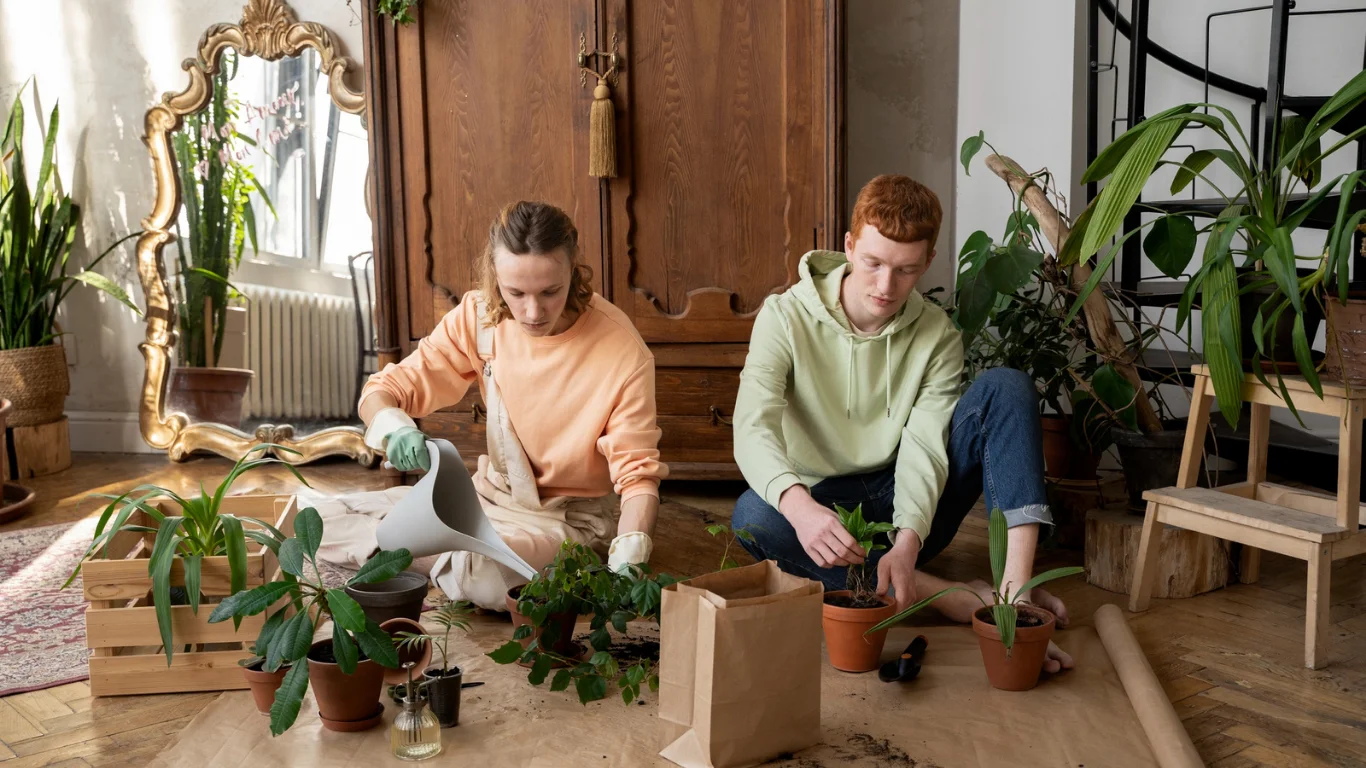
A healthier home is not just about food choices or cleaning routine. For those who grow things, the link between outside life and inner calm runs deep. Touching earth, breathing open air – these moments shape how we feel over time. Swap harsh substances indoors the way you’d avoid chemicals in compost; it makes sense. Furniture, cloth, even sheets and hand-stitched cushions matter in small but steady ways. Care planted outdoors? Bring that same quiet attention inside.
This walkthrough dives into ways growers might gently shape a safer living space – leaning on clean ingredients while keeping things cozy, sharp, yet practical.
The Link Between Gardening and a Healthier Indoor Environment
Gardeners tend to notice nature’s patterns, feel cautious about chemicals, and live with care toward the earth – differences showing right away compared to typical homeowners. Tending green life sharpens attention to poisons in sprays, boosts concern for rich earth, and changes how nutrients are viewed. That mindfulness spills indoors, nudging questions about unseen elements floating in living rooms, hiding beneath furniture.
Inside air often carries more contaminants than what’s outside, thanks to man-made substances, chemically altered surfaces, plus fabric treatments. Garden-minded folks shift that outlook indoors, viewing rooms like planted beds brought under the roof. Much how fertile earth helps greenery thrive, safer materials help humans breathe easier at home.
Why Non Toxic Materials Matter in Home
Choosing the safer materials at home means fewer harsh substances lingering in the air you can breathe. Instead of standard items that emit invisible fumes, going for their cleaner alternatives cuts down on stuff that might spark sniffles, foggy heads and restless nights. If growing your own herbs or tending soil feels right, then ditching synthetic residues indoors just makes sense – like an extension of that hands-in-dirt mindset.
A home filled with gentle materials supports kids, animals, non-toxic bedding or anyone delicate in spirit – where breathing feels easier. Instead of harsh chemicals, quiet safety hums through walls, letting bodies reset naturally; think green leaves soaking up pure rain.
Understanding Hidden Toxins in Everyday Household Items
Everyday things around the house might seem safe – yet hide unseen chemicals. Take mattresses or cushions, filled with fabrics laced with fire-resistant coatings instead of natural fibers. Pillows made from man-made materials frequently carry dyes that linger longer than expected. Furniture covered in synthetic fabric? Often soaked in preservatives during production. These compounds don’t just stay put – they seep out slowly, mixing into the air we breathe. Little by little, they drift down, blending into household dust you can’t see but still inhale.
Sleep gear matters – bodies let their guard down when resting. That’s when clean bedding steps in, quietly doing its job. Go for organic cotton, maybe natural latex, or raw wool instead; each choice cuts through the chemical fog seeping into your nights.
Handmade pillows crafted from organic materials bring warmth to a space – yet they don’t skimp on softness or style compared to their manufactured counterparts.
Creating a Healthier Bedroom With Non-Toxic Bedding
A space meant for rest should feel safe – so choosing clean materials matters. Breathable fibers let heat escape, so temperature stays even without effort. Less exposure to hidden substances adds up quietly over years. Sleep shifts smoother when the body isn’t fighting off subtle intrusions.
Natural fibers handle heat better than lab-made materials, a quiet advantage for those tending soil under open sky. Coolness at night, paired with still air, lets bodies mend while rest unfolds slowly.
Apart from bedding and protectors, pillows deserve attention too. Artisan-made ones, built with plant-based or earth-derived fabrics, tend to breathe better, feel gentler – fitting a cleaner way of living.
The Role of Handmade Pillows in a Natural Home
A soft pillow shaped by hand brings quiet care into a room. Crafted slowly, not rushed through factory lines, it carries the weight of attention. Materials like cotton breathe easily, chosen because they feel true, not just cheap or fast. Wool gathers warmth with purpose, while buckwheat offers firmness without noise. Each stitch follows a rhythm decided by touch, not machines humming on schedules. These pieces don’t shout for notice – they settle in, calm and unforced. What you hold is honesty padded between fabric, stitched without hurry.
To those who dig in the soil, hand-stitched cushions echo the quiet pride of harvesting their own greens. These pieces back independent crafters instead of factories, favoring slow creation over mass output. Each one carries a trace of real effort, slipping genuine character into corners of the home where life slows down. Together with clean, chemical-free sheets, they help shape a room that breathes ease – settling the mind, softening the edges of tired thoughts.
Some of these cushions adapt to personal preferences, making them useful for those dealing with neck strain or particular sleep quirks – because one size rarely fits all when rest is on the line. Each design shift responds quietly to body signals, so support feels less like guesswork. When alignment matters more than fluff, subtle changes make a difference without drawing attention.
Choosing Non-Toxic Furniture and Décor
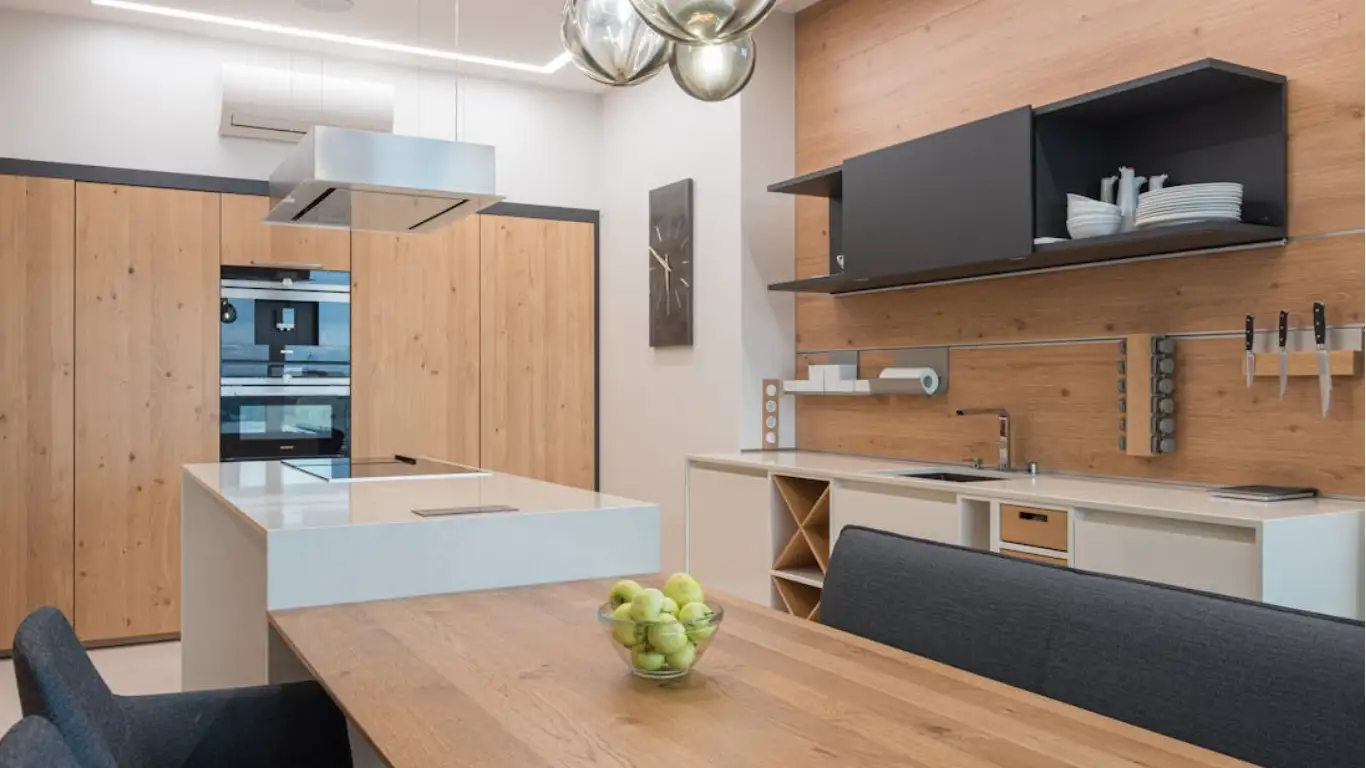
Opting for safer furniture means thinking past just sleep spaces – what you bring indoors shapes the air you breathe every day. Most standard items rely on pressed wood, artificial binders, maybe layers laced with solvents. For those tending a cleaner living space, solid timber treated with plant-derived oils or gentle water-toned coatings makes sense.
Furnishings ought to follow clean-material values, too. Natural-fiber fabrics instead of polyester ones; plant-dyed mats underfoot rather than factory-stained weaves; handcrafted cushions sitting in place of plastic-heavy trinkets. Each swap cuts down on hidden poisons while shaping a space that feels lived-in, earth-tied, quietly alive.
Creating a Non-Toxic Routine Beyond Materials
A healthier home isn’t built only on choices at the store, yet shaped by everyday actions. Tending soil, trimming leaves, gathering crops – these acts ground many gardeners in quiet awareness. That calm focus can move inside, shifting how we see chores, soaps, routines. Noticing small things matters: what touches skin, lingers in air, repeats each day.
Opting for plant-based cleaners while opening windows now and then keeps spaces fresh – pair that with clear surfaces, and the effect of safe materials grows stronger. Toss in organic sheets alongside handmade pillows and hand-stitched cushions, maybe rotate them weekly, suddenly the bedroom feels lighter, slower, like it breathes easier.
Long-Term Benefits of a Non-Toxic Home for Gardeners
Over time, fewer chemicals around the house tend to bring better sleep, sharper energy, smoother breathing. As seasons pass, many who grow things notice a quieter kind of harmony between their indoor world and outdoor plots. Spaces shaped by care for nature start to feel like extensions of the soil they nurture. Less poison inside means clearer mornings, easier breaths, a body that recovers without effort. What happens outside among plants begins mirroring what happens within walls – slower, steadier, grounded.
A house made from clean, safe ingredients quietly mirrors care for the earth. Choosing things grown or crafted with intention – hand-stitched cushions, sheets traced back to ethical harvests – lets those who tend soil nurture more than just plants. Each decision feeds balance, both outside and within.
Conclusion
For those who grow things, bringing clean, safe materials indoors just makes sense – like an echo of life outside. Choosing gentle alternatives, particularly where we rest, such as plant-dyed sheets or hand-stitched cushions, shapes a space that quietly nurtures calm and well-being. Each small pick ties the rhythm of the earth closer to daily living, helping green-minded people feel rooted, whether they’re among flowers or under rooflight.