Some spaces in a home don’t get ignored because they’re useless. They get ignored because no one ever decided what they should do. A garage turns into a holding zone. A hallway becomes something you pass through without noticing. A corner stays empty long enough that it feels like it was never meant for anything.
In Tampa Bay, this kind of waste stands out. Homes often deal with heat, humidity, and a steady in-and-out lifestyle, which means every part of the house gets tested in real ways. A messy entryway shows up fast after a beach day. A poorly planned garage turns into a problem once tools, gear, and seasonal items pile up. Spaces that once felt secondary start affecting daily routines. Giving those areas a purpose changes how the whole home functions, not just how it looks.
Garage Setup
A garage gets messy slowly. One box becomes five, tools lose their place, and suddenly there’s no clear floor space left. Reworking it doesn’t mean emptying everything and starting from scratch. It means deciding what actually belongs there and giving each category a fixed place. Bikes up on the wall, storage bins overhead, tools lined up where you can see them. Once the floor opens up again, the space immediately feels different.
Smart garage storage in Tampa Bay usually needs more thought than basic shelving. Materials matter here because standard setups can wear down in heat or moisture. Hence, bringing in experts actually pays off. They don’t just install shelves; they map out how the space will be used day to day. A setup like that can handle everything from storage to quick repair work without slipping back into clutter within a few months.
Hallway Use
Most hallways feel like leftover space. You walk through them without thinking twice, and they stay empty because nothing seems to fit. But even a narrow hallway can carry a bit of function without blocking movement. A slim console, a row of hooks, or even a ledge for small items can give it purpose without making it feel tight.
There’s also something interesting about turning a pass-through into a pause point. A single chair near a window, a wall light, maybe a small stack of books, that’s enough to change how the space feels. It doesn’t turn into a full room, but it stops being invisible. You start to notice it, maybe even use it for a quick break instead of walking past it every time.
Corner Spots
Corners usually stay empty because they don’t come with a clear use. They’re not big enough for full furniture, so they get overlooked. But that’s exactly why they work well for focused setups. A compact desk, a stool with a small table, or even a standing shelf can give that space direction without forcing it to do too much.
One corner near a window can easily become a personal spot that feels separate from everything else going on. You don’t need much. A chair that’s comfortable enough to sit in for a while, and a surface to place a notebook or laptop.
Entryway Flow
Entryways tell you a lot about how a home is working. If things pile up there, it usually means there’s no system in place. Shoes end up scattered, bags land wherever there’s space, and small items get lost constantly. Fixing that doesn’t require a big redesign. It just needs a setup that matches how people actually come and go.
A bench with storage underneath, a few hooks at the right height, and a small tray for keys can handle most of the chaos. In homes in coastal regions, this becomes even more useful. Sand, damp items, and outdoor gear have a place to land before they spread through the rest of the house.
Basement Purpose
Basements tend to become storage by default, not by design. Things get moved there because they don’t fit elsewhere, and eventually, the space feels disconnected from the rest of the home. Giving it a clear role changes that quickly. It doesn’t have to be anything complicated. It just needs a reason to exist beyond holding extra stuff.
A basic setup can go a long way. A desk with proper lighting turns it into a work area. A sofa and a screen make it a place to spend time. Or, a hobby setup can bring the space back into daily use. Once it has a purpose, you stop thinking of it as “downstairs storage” and start treating it like part of the home again.
Outdoor Nooks
Small patios often get written off as “too limited” to do anything meaningful with. They end up holding a couple of chairs that rarely get used or become a place where things are temporarily set down. The size isn’t the issue, but the lack of intention. Even a compact outdoor space can feel like a proper extension of the home once it’s set up with a clear purpose.
A simple seating arrangement with a defined layout can change everything. Two chairs angled toward each other with a small table between them feel far more usable than scattered furniture. Add a bit of shade or soft evening lighting, and that space starts to hold attention.
Dining Room Shift
Dining rooms often sit untouched for most of the week. They’re set up properly, yet they don’t get used enough to justify the space they take up. That’s where a slight change in how the room functions can make a difference. Keeping the table while allowing the room to serve another purpose during the day gives it more presence in daily life.
A dining table can double as a workspace, a place for kids to do schoolwork, or even a spot for small creative projects. Chairs that are comfortable enough for longer use make that transition easier. Once the room starts getting used regularly, it no longer feels like a space reserved for occasional moments.
Wall Space Use
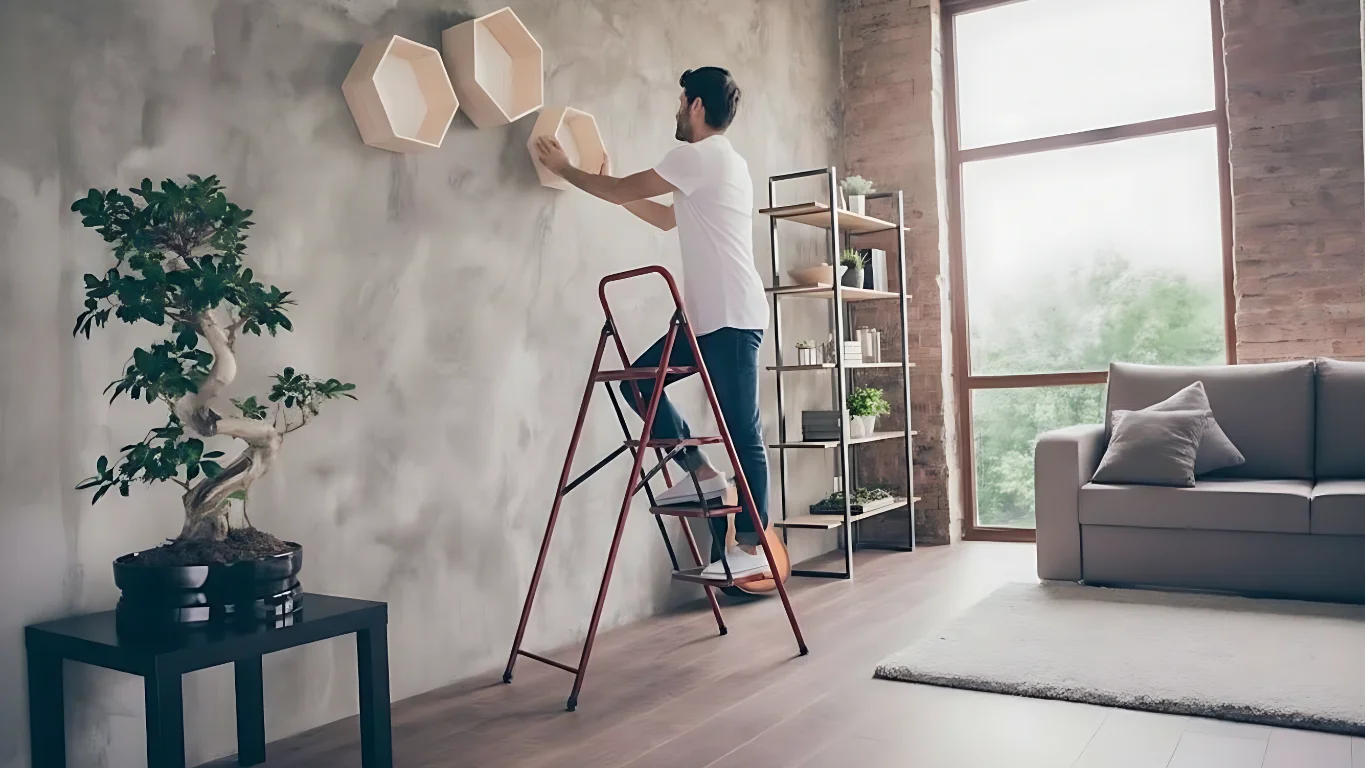
Empty walls often go unnoticed because they don’t seem like usable space. Yet they hold a lot of potential without taking up any floor area. Adding shelves, fold-down surfaces, or mounted storage can turn a blank wall into something practical.
A fold-down desk in a living area can create a quick workspace without needing a dedicated room. Wall-mounted shelves in a kitchen or hallway can hold items that would otherwise crowd countertops or tables. Using vertical space keeps the home feeling open while still adding function in places that were previously unused.
Ignored spaces don’t stay unused because they lack potential. They stay unused because they never get defined. Once each area has a clear role, even a simple one, the entire home starts to feel more complete.