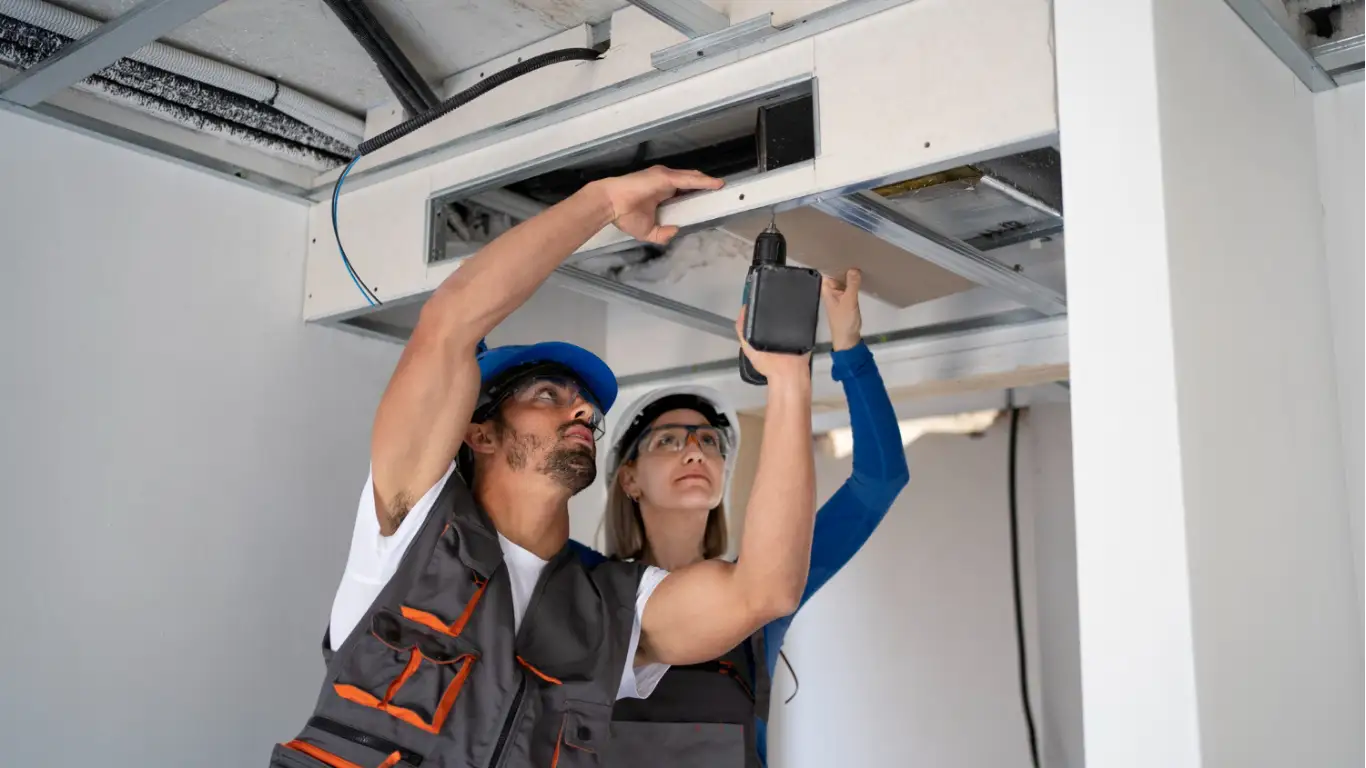
There has been a dramatic technological revolution in the residential landscape of the year 2026. A home is no longer merely a place of protection, but a complicated ecosystem of linked appliances, sustainable energy systems, and gigabit data systems. The center of this transformation is a new breed of electrical professional. The electrician’s position has also changed from being more of a simple wiring and installation of outlets to that of a systems architect, who adds Electric Vehicle (EV) infrastructure, Artificial Intelligence (AI) home management, and advanced energy storage to the contemporary household.
1. Professional Evolution: The Systems Architect and the Modern Electrician
The modern-day electrician works on the border of classic trades and technical engineering. In 2026, the conversion to the so-called Whole-Home Electrification will need a profound grasp of load balancing and software integration. In cases where the homeowners desire to modernize their infrastructure so that they can have a modern lifestyle, the skills of a local electrician are crucial in ensuring that the current electrical panel will be able to accommodate the high amperage needed by the smart appliances. These professionals are no longer simply pulling wire, but they develop the digital backbone that enables the home to interface with the grid and the homeowner at the same time.
2. Sustainable Mobility: High-Speed EV Charging Integration
With the electric cars becoming the new mode of personal transportation, the home gas station has ceased to be a fantasy to a day-to-day need. The biggest upgrade that a modern homeowner can make is the installation of a Level 2 charging station that presupposes dedicated circuits and advanced safety measures.
Basic Parts of a Professional EV Installation:
- Dedicated 240V Circuitry: Making sure the charger has a clean and continuous power path that is not disruptive to the household lighting or the HVAC systems.
- Load Management Controllers: A smart device that can automatically reduce the power consumption of the EV when the overall energy use by the home approaches the maximum capacity of the panel.
- Weatherproof NEMA Enclosures: In outdoor installations, it is necessary to make sure that the hardware is not exposed to environmental degradation and at the same time, it needs to be easily accessible.
3. Data-Driven Management: Intelligent Panels and Power Displays
The use of traditional breaker panels is giving way to the use of Smart Load Centers. These panels are connected to the IoT to put real-time data about each of the circuits in the house. The setup of such dashboards has now become a problem for modern electricians who have enabled users to view the precise amount of energy their dishwasher or home server is using at a given time. Such transparency has enabled “Peak Shaving” of shifting high-energy tasks to off-peak periods when electrical costs are lower and save homeowners a considerable amount of money each and every month in utility bills.
4. Energy Resilience: Solar Synergy and Battery Storage Solutions
It is an emerging trend in the modern residential electrical system to be made self-sufficient enough to function without the municipal grid in case of an emergency. Electricians are transforming life by fitting so-called Island-capable installations, combining solar arrays and lithium-iron-phosphate (LFP) battery backups.
Strategic Benefits of Residential Energy Storage:
- Uninterrupted Backup Power: Immediate transfer to battery power in case of grid failure, medical apparatus and security systems will not be shut down.
- Self-Consumption Optimization: Investigating excess solar energy generation during the day and storage to be used at night, essentially eliminating the need to use grid power, which is produced by fossil fuels.
- Grid Services: In other areas, the smart homes are able to sell any extra stored energy to the utility company when there is a period of extreme demand, transforming the home into a mini-power plant.
5. Modern Protection Standards: AFCI and GFCI Developments
Electrical safety standards have been tightened with the spread of sensitive electronic devices and high-voltage charges. The modern electricians have to put in place sophisticated protection to avoid hazards that cannot be seen such as micro-arcing.
Smart Homes Safety Standards 2026:
- Arc-Fault Circuit Interrupters (AFCI): Advanced circuit breakers that monitor a characteristic known as the signature of an arc and it then cuts off power before a fire can begin in the walls.
- Ground-Fault Circuit Interrupters (GFCI): This is a necessity in kitchens, bathrooms, and EV charging stations, which help avoid fatal shocks by identifying imbalances in current flow.
- Whole-Home Surge Protectors: The main breaker of a home is a primary protective device installed to prevent damage to expensive smart appliances due to lightning or switching of power utilities.
6. Human-Centric Environments: Circadian Lighting and Smart Ambience
Electricians now are the designers of lights and they are employing Tunable White LED technology to enhance human health. The circadian rhythms of the occupants of modern homes can be controlled by programming the lighting systems to replicate the natural patterns of sunlight, to enhance the levels of sleep and daytime productivity. These systems are commonly voice-activated or powered by motion sensors so that energy wastage in rooms that are not in use is minimized and an extremely personalized living experience can be achieved, which can adjust according to the time of day.
7. The Digital Nervous System: Future-Proofing with Low-Voltage Wiring
Although the muscle in the home is high-voltage power, the nervous system is made up of low-voltage data wiring. Contemporary living in the home is marked by excessive use of Power over Ethernet (PoE) to support security cameras, smart blinds, and mesh Wi-Fi nodes. To be sure that the bandwidth of the home is capable of supporting the enormous data demands of the AR/VR entertainment and remote work environments of the 2026s, professional electricians have begun to install Category 6A or fiber optic cables in addition to the standard copper wire.
8. Proactive Oversight: The Change to Predictive Maintenance
The approach between the homeowner and the electrician has changed from reactive with emergency calls to the electrician towards proactive, with performance monitoring. With remote diagnostics, an electrician is able to receive warnings of a failing capacitor in a central AC unit or a failing heating element in a water heater before the homeowner can even realize that something is wrong. This is a model of predictive maintenance that prolongs the life of the costly house assets and makes the house a safe, functional haven.
Empowering the 2026 Lifestyle
The combination of EV chargers and smart homes is not only a trend but also a paradigm shift of the manner in which we interrelate with our homes. The technical skill necessary to sustain our homes is ever-increasing as our homes get more efficient, sustainable and intelligent. Regardless of whether you are fitting a high-speed vehicle charger or are upgrading to a smarter, AI-managed smart panel, the most important thing to consider to allow your home to continue being a safe and high-performance home is the advice of an experienced local electrician. When homeowners adopt these new electrical approaches, they are not only modernizing their homes but creating a future-ready lifestyle that is characterized by strength and creativity.