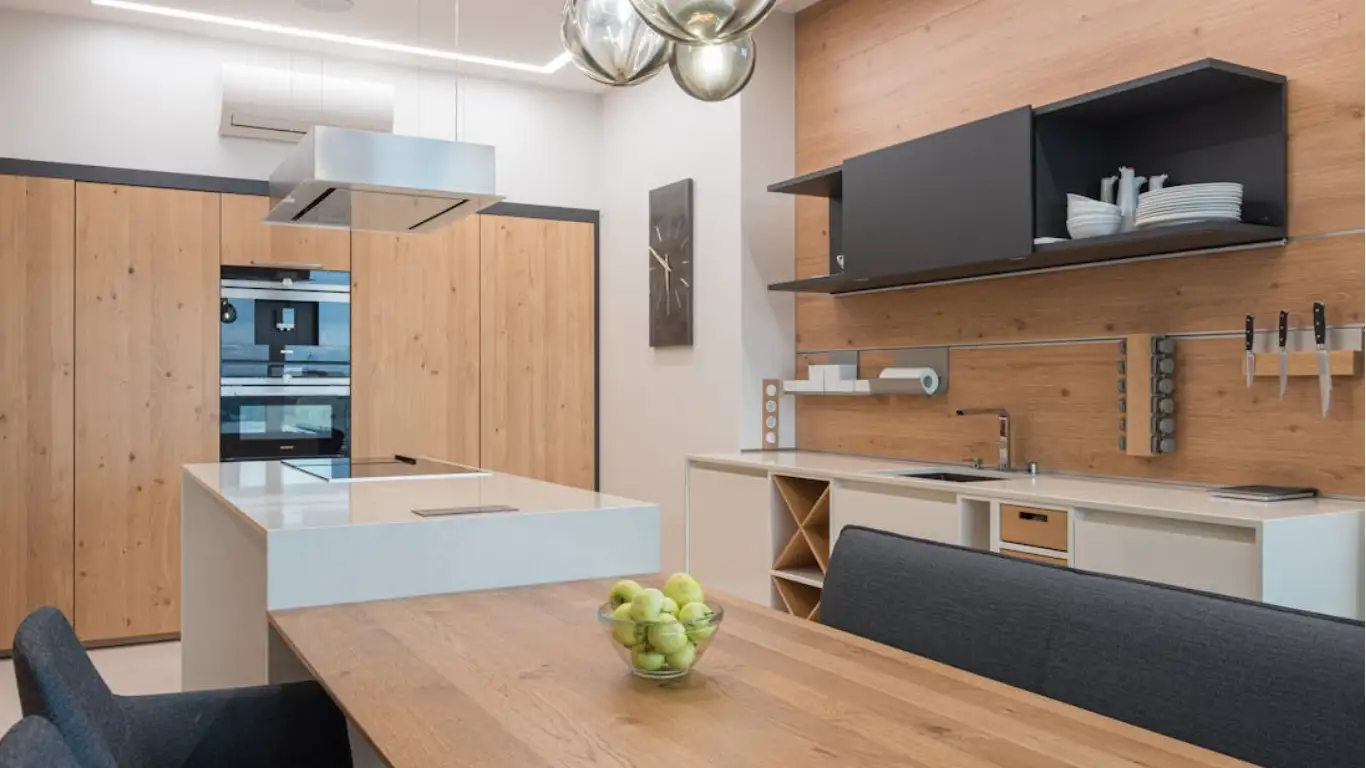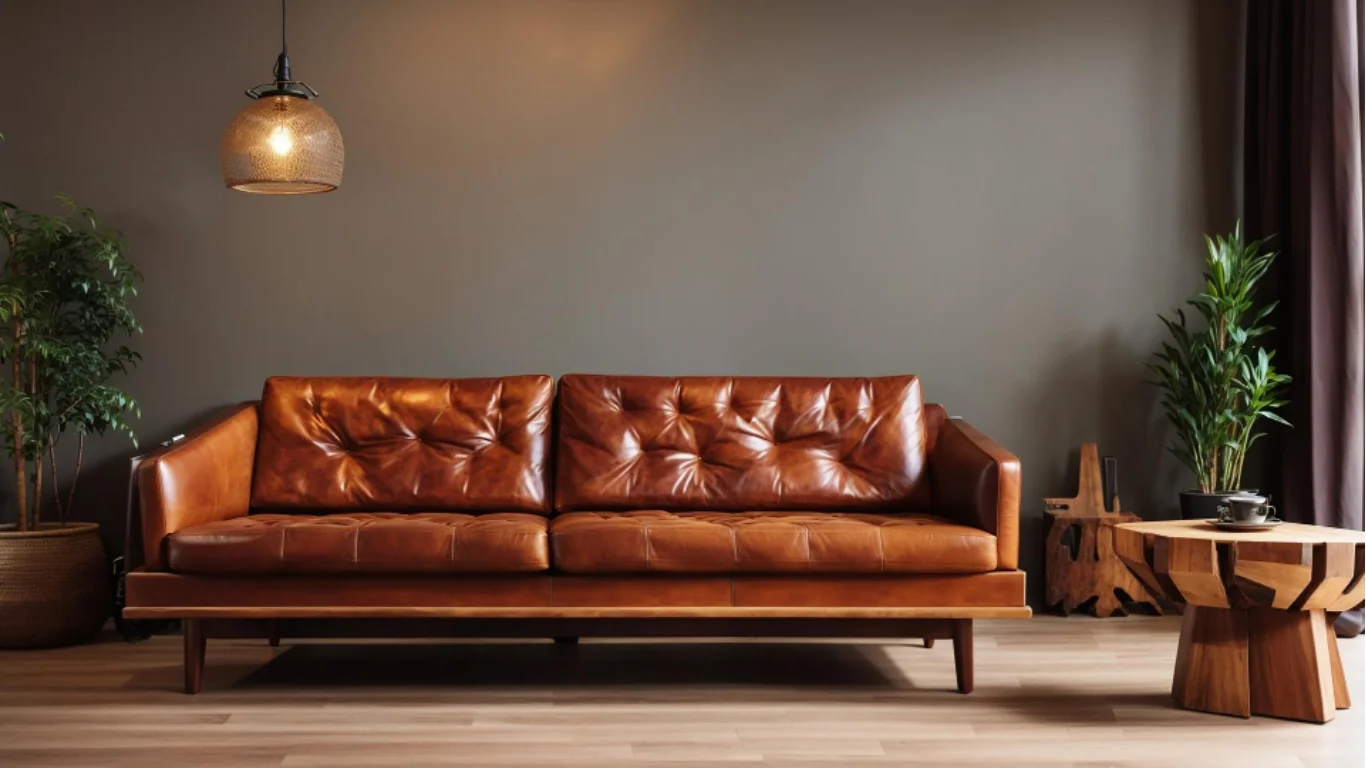
Choosing furniture is more than selecting attractive pieces to fill a room. The right furniture should reflect daily routines, support comfort, enhance functionality, and adapt to changing needs. A well-planned home considers how each piece will be used and how it contributes to overall well-being. When furniture aligns with lifestyle, living spaces feel natural, organised, and welcoming.
Understanding how to choose furniture that suits your lifestyle ensures that every purchase adds long-term value rather than becoming a short-term solution. Whether in busy households or quiet retreats, choosing furniture wisely, such as a well-designed leather lounge suite, can make interiors both functional and welcoming.
Key Things to Consider When Choosing Furniture
Understand Your Daily Routine
Before selecting furniture, assess how each room is used. Consider who uses the space, how often it is used, and what activities take place there. A living room may serve as a relaxation zone, an entertainment area, or a multifunctional family space. A dining area might double as a workspace or homework station.
Ask practical questions such as:
- Is the space used for entertaining guests
- Do children or pets need durable surfaces
- Is extra storage required for the organisation
- Does the room need flexibility for different activities
By answering these questions, it becomes easier to narrow down furniture that supports real life rather than just visual appeal.
Prioritise Comfort and Functionality
Comfort plays a crucial role in choosing furniture. Seating should provide adequate support, tables should be positioned at appropriate heights, and beds should promote restful sleep. While style is important, comfort should never be compromised. Functionality is equally essential. Furniture should simplify daily tasks and reduce clutter.
Consider pieces that offer practical features such as:
- Storage ottomans for hidden organisation
- Extendable coffee tables for hosting gatherings
- Modular sofas that adapt to different layouts
- Bed frames with a free mattress for extra comfort
When comfort and function work together, furniture enhances both convenience and relaxation.
Consider Space and Layout
Every home has unique dimensions and proportions. Choosing furniture that suits the available space prevents overcrowding and maintains a balanced environment. Measure rooms carefully and allow adequate space for movement.
Key layout considerations include:
- Maintaining clear walkways
- Ensuring doors and windows can open freely
- Balancing large and small pieces within the room
- Positioning furniture to maximise natural light
Large statement pieces may look impressive in showrooms, but can overwhelm smaller interiors. Selecting appropriately sized furniture ensures harmony and flow throughout the home.
Choose Pieces That Match Household Size
The size of furniture should reflect both the dimensions of the room and the number of people using it. Oversized items can overwhelm compact spaces, while pieces that are too small may not meet practical needs. Consider modular seating or larger dining tables to accommodate everyone comfortably. For smaller homes, multifunctional furniture can maximise usability without overcrowding the area.
Maintaining clear pathways ensures that movement flows smoothly and comfortably through each room without obstruction. Thoughtfully arranged furniture and balanced spacing prevent overcrowding, making the space easier to navigate.
Select Durable Materials
Furniture that suits a lifestyle must withstand daily wear. High-traffic homes benefit from sturdy frames and resilient fabrics. Households with pets or children may prefer easy clean surfaces and scratch-resistant finishes.
Consider how materials will perform over time. Solid construction often proves more cost-effective than replacing lower-quality items. Investing in durability ensures furniture remains functional and attractive despite constant use.
Plan for Flexibility and Future Changes
Lifestyle needs often evolve. Growing families, career changes, or new hobbies can alter how spaces function. Choosing adaptable furniture helps accommodate these transitions.
Flexible solutions may include:
- Modular sofas that can be rearranged
- Extendable coffee tables
- Adjustable shelving systems
- Foldable or stackable seating for occasional use
Such pieces allow rooms to adapt without requiring a complete redesign.
Final Thoughts
Choosing furniture that suits a lifestyle requires thoughtful planning rather than impulse decisions. By analysing daily habits, prioritising comfort, and selecting durable materials, it becomes possible to create spaces that genuinely enhance everyday living. Practical storage, flexible designs, and balanced proportions further contribute to a harmonious environment.
Furniture should work in harmony with routines, providing support and convenience without overwhelming the space. When each piece is selected with intention, a home becomes more than visually appealing. It becomes a functional and comfortable setting that adapts effortlessly to changing needs while reflecting personal style.
Frequently Asked Questions
What is the most important factor when choosing furniture?
The most important factor is how well the furniture supports daily routines. Comfort, durability, and functionality should guide decisions before appearance alone.
Can furniture improve organisation?
Yes. Integrated storage options and thoughtfully selected layouts reduce clutter and improve efficiency throughout the home.
How can small homes accommodate changing lifestyle needs?
Multifunctional furniture and smart storage solutions help maximise space. Pieces that can adapt or serve multiple purposes are especially useful in compact homes.
Should style or comfort come first?
Comfort and usability should take priority. Once those needs are met, style can enhance the overall aesthetic without compromising practicality.
How often should furniture be replaced?
There is no fixed timeline. Replacement depends on wear, changing needs, and overall condition. High-quality pieces may last many years when properly maintained.