Have you ever heard a strange noise at night and suddenly questioned your entire house? That creak in the hallway feels louder after sunset. Safety becomes personal very quickly. In recent years, more homeowners are thinking seriously about protection.
Extreme weather events are rising. Home break in reports still make headlines. Meanwhile, insurance costs continue climbing in many states. Safety is no longer just about alarms and cameras. In this blog, we will share practical structural upgrades that strengthen your home, protect your family, and build lasting peace of mind.
Start With the Structure You Already Have
If someone unfamiliar with home safety asked where to begin, I would say look at your foundation. Not in a dramatic way. Just walk around your home slowly. Check doors, windows, and entry points. These are your home’s first lines of defense.
Think of your house like a shield. Weak spots matter more than fancy gadgets. Reinforced doors make a visible difference. Solid core doors resist force better than hollow ones. Strong deadbolts add another layer.
Windows deserve attention too. Tempered glass and secure locks reduce risk. Storm shutters protect against severe weather. Hurricanes and heavy storms have increased across many regions. Structural resilience is becoming essential.
Roof integrity also plays a major role. Missing shingles allow water damage and that weakens framing over time. Small repairs now prevent large expenses later. Safety grows from simple steps taken early.
Strengthen Entry Points That Matter Most
Many homeowners focus on visible security devices. Cameras and motion lights help. Still, physical strength matters more. The garage is often overlooked. Yet it connects directly to your living space.
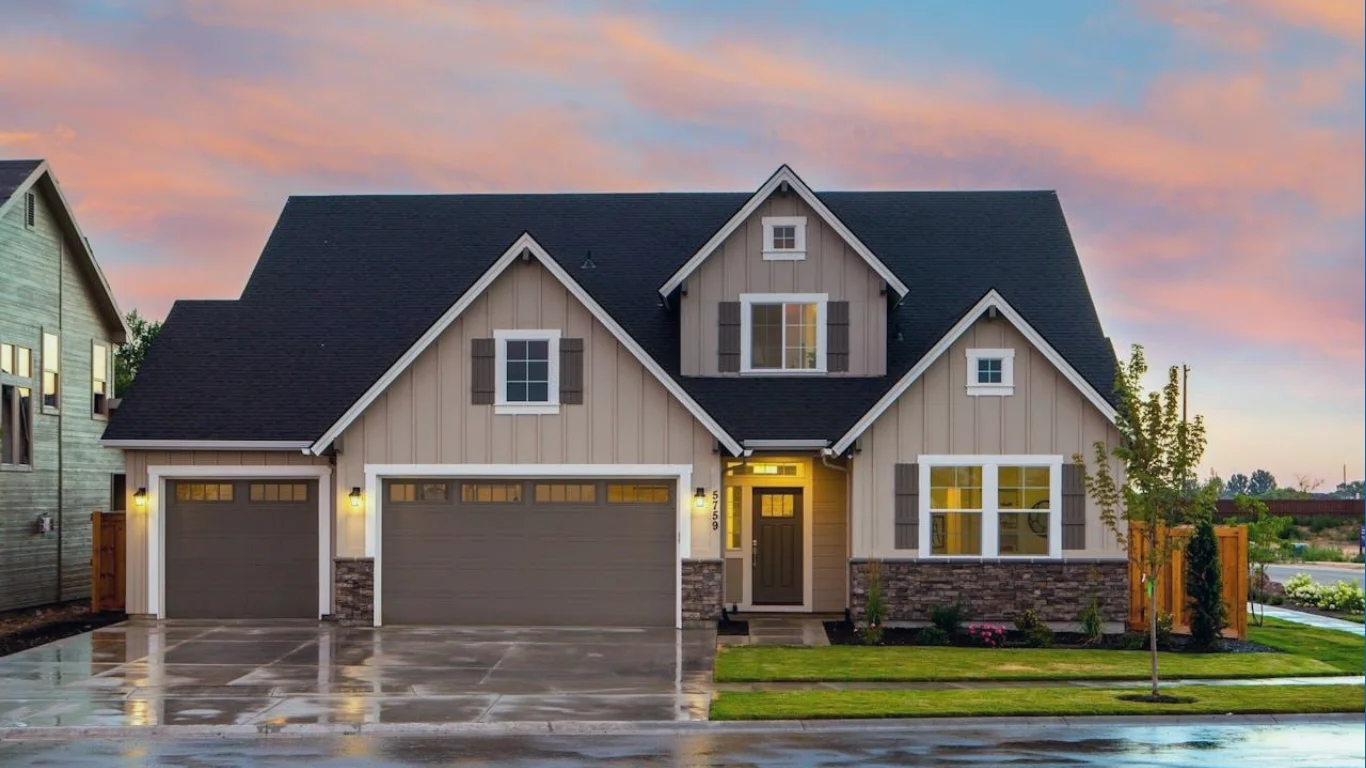
A sturdy garage door protects more than vehicles. It blocks forced entry attempts. It also shields against wind damage. In areas facing intense storms, reinforcement can prevent major loss. That is where garage door replacement becomes part of a safety strategy. Modern models offer stronger materials and improved locking systems. They seal better against weather too.
If your front door is solid but your garage door is weak, the protection is incomplete. Strength must be consistent across the home. Reinforced hinges and tracks improve durability. Weather stripping keeps moisture and pests out.
Upgrade With Purpose, Not Panic
Safety upgrades should feel thoughtful, not fearful. Fear leads to rushed decisions. Purpose leads to smart improvements. Start by identifying real risks in your area. Flood zones require different planning than wildfire zones.
Flood barriers and sump pumps help in water prone regions. Fire resistant siding benefits homes near dry landscapes. Each upgrade addresses a specific need. Tailor your improvements to your environment.
Insurance companies often reward proactive upgrades. Lower premiums sometimes follow structural improvements. That financial benefit adds practical motivation. Protection and savings can work together.
Reinforce Interior Safety
Structural safety extends indoors too. Stair railings should feel sturdy. Loose steps increase fall risks. Falls remain a leading cause of home injuries. A secure railing is simple but powerful.
Smoke detectors and carbon monoxide alarms save lives. Hardwired systems offer reliability. Battery backups protect during outages. Test them regularly.
Consider lighting placement. Well lit hallways prevent accidents. Exterior lighting deters unwanted visitors. Darkness creates vulnerability. Light creates visibility and comfort.
Secure heavy furniture to walls. Earthquakes affect some regions more than others. Still, anchoring bookshelves protects children everywhere. These measures require little effort but offer strong protection.
Think Long Term
Creating a safer home is not a one time project. It is ongoing care. Materials age and weather shifts. Maintenance preserves strength. Inspect your home seasonally.
Extreme weather patterns are becoming more common. Heat waves, storms, and cold snaps test structural limits. Resilient homes adapt better. They withstand stress without major damage.
Think about resale value too. Buyers appreciate visible structural upgrades. Safety improvements signal responsibility. They make homes more attractive in competitive markets.
If you plan to stay long term, peace of mind matters even more. Knowing your home can handle stress changes how you live inside it. You sleep easier. You travel with less worry.
Balance Security With Comfort
A safe home should still feel welcoming. Reinforced doors do not need to look industrial. Modern designs blend strength with style. Windows can be secure and beautiful.
Avoid turning your home into a fortress. The goal is quiet protection. Comfort and safety can coexist. Thoughtful upgrades enhance daily life without dominating it. Talk with professionals when needed. Contractors can assess structural weaknesses. They can recommend improvements suited to your climate and budget. Expert advice prevents costly mistakes.
The bottom line? Safety is not about paranoia. It is about preparation. When structure supports security, everything else works better. Your home becomes more than shelter. It becomes a stronghold for everyday life.
So ask yourself one final question. What upgrade would bring the most peace of mind today? Start there. Take that step. A safer home is built one smart decision at a time.