Moving house is often cited as one of life’s most stressful events. Between coordinating utilities, packing endless boxes, and cleaning the old property, the to-do list can feel overwhelming. For gardening enthusiasts, however, there is an added layer of anxiety about the safety of their beloved plants. Unlike books or kitchenware, plants are living organisms that can suffer from stress, temperature fluctuations, and physical damage during transit.
Whether you have a collection of indoor ferns or an established outdoor garden you cannot bear to leave behind, successful plant relocation requires planning. By treating your green friends with the same care you would give a pet, you can ensure they survive the journey and thrive in their new home.
Preparing Your Plants for the Journey
Preparation should begin weeks before the moving truck arrives. Just as you would not wake up and run a marathon without training, your plants need to be conditioned for the move to reduce the risk of transplant shock.
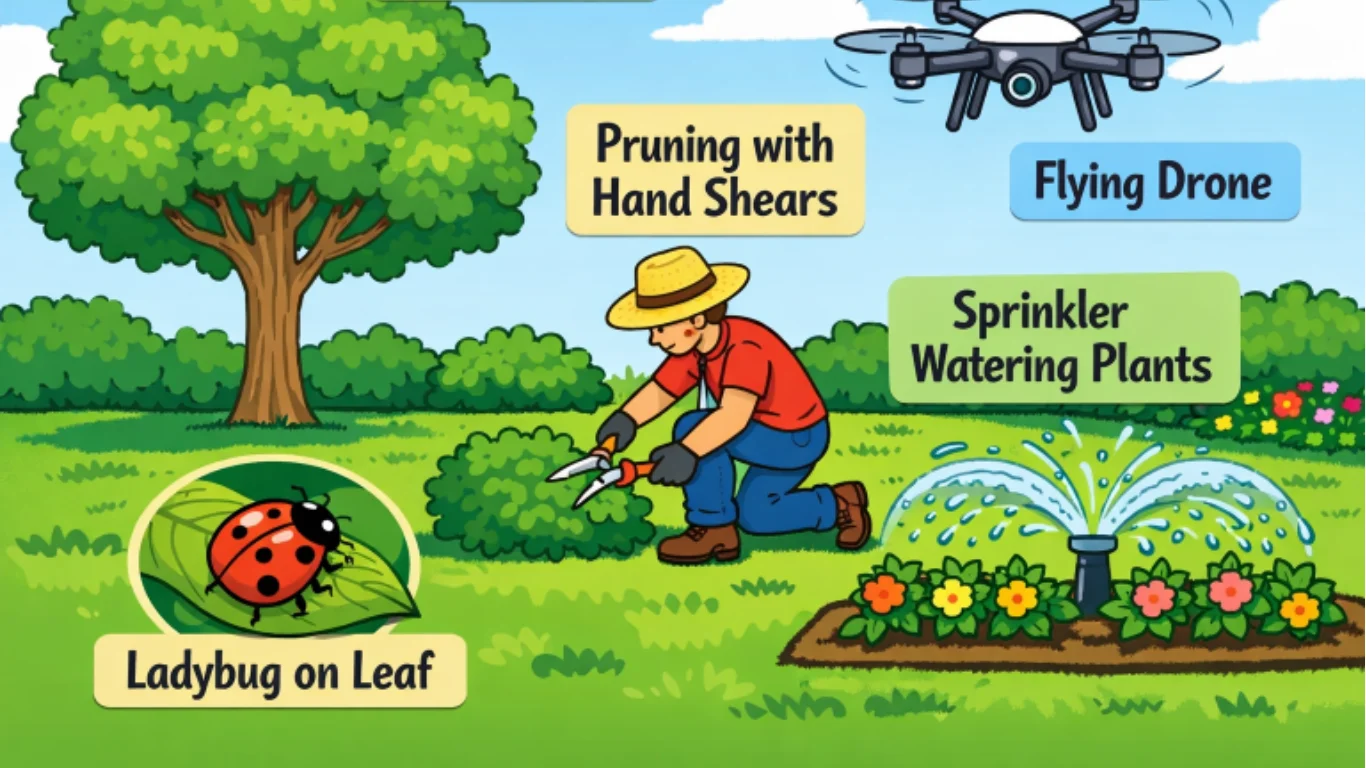
Start by pruning back excess growth approximately two weeks before the date. This makes the plants more compact for transport and reduces the energy they need to maintain foliage during the stressful transition. Check every plant thoroughly for pests and disease. You do not want to bring an infestation of spider mites or aphids into your new garden space.
This is also the time to gather your equipment. If you need to dig up garden beds or transfer plants into plastic travel pots, you must ensure you have the right gardening tools ready well in advance. A sturdy spade is essential for digging up established perennials with their root balls intact, while a quality hand trowel is perfect for carefully re-potting smaller varieties without damaging their delicate root systems. Having these items accessible prevents a last-minute scramble on moving day.
The Role of Movers vs. DIY
One of the most common misconceptions homeowners have is assuming their moving company will handle everything in the garden. While professional removalists are experts at lifting heavy furniture and protecting fragile china, they often have strict policies regarding live plants.
Most moving companies cannot insure plants because they are perishable. The back of a moving truck is often dark, unventilated, and subject to extreme temperature swings conditions that can be fatal to sensitive greenery. Consequently, you will likely need to transport your plants in your own vehicle or hire a specialised plant carrier if you have a particularly large collection.
If you are transporting them yourself, following a strict packing protocol is essential for their survival:
- Box them up: Place pots in open-top cardboard boxes. Stuff the gaps with newspaper or bubble wrap to prevent the pots from tipping over during turns. This stability is crucial for preventing broken stems.
- Water smart: Water your plants two days before the move. The soil should be moist but not soaking wet. Wet soil is incredibly heavy and can cause a mess, while bone-dry soil creates loose root balls that can collapse and expose delicate roots.
- Control the climate: If possible, transport plants in an air-conditioned car rather than a hot trailer. Avoid leaving them in a parked car in direct sun for long periods, as the greenhouse effect can cook them within minutes.
Understanding Biosecurity and Quarantine
If your move involves crossing state lines within Australia, you must be aware of biosecurity laws. Australia has strict regulations to prevent the spread of pests, diseases, and weeds between regions. What is a common garden plant in Victoria might be a prohibited weed in Queensland, or it could carry soil-borne pests that threaten local agriculture.
Ignorance of these laws can lead to severe consequences, including significant fines and the confiscation of your plants at the border. Before you pack a single pot, review the Australian Interstate Quarantine rules regarding moving plant goods. These regulations often apply not just to the plants themselves, but also to the soil, fruit, and vegetables you might be transporting. In some cases, you may need to bare-root your plants by removing all soil or obtain a plant health certificate before travelling.
Settling into the New Garden
Once you arrive at your new home, your plants should be your first priority to unpack. They will likely be in a state of shock, so immediate and gentle care is crucial to help them bounce back.
Unpack them as soon as you arrive and place them in a spot that mimics their previous light conditions. For example, if a fern was used to low light, do not place it in a bright sunroom immediately. Avoid repotting them into decorative pots or planting them in the ground for at least a week. Let them acclimatise to the new humidity and light levels in their travel pots first.
It is also wise to hold off on fertilising. A stressed plant cannot process high levels of nutrients, and feeding them too soon can cause fertiliser burn. Instead, focus on keeping them hydrated and misting their leaves if the new environment is dry.
Moving a garden takes effort, but the reward is instant familiarity in your new surroundings. When you look out the window of your new home and see your favourite roses blooming or your trusted monstera thriving in the corner, you will know the extra effort was well worth it.