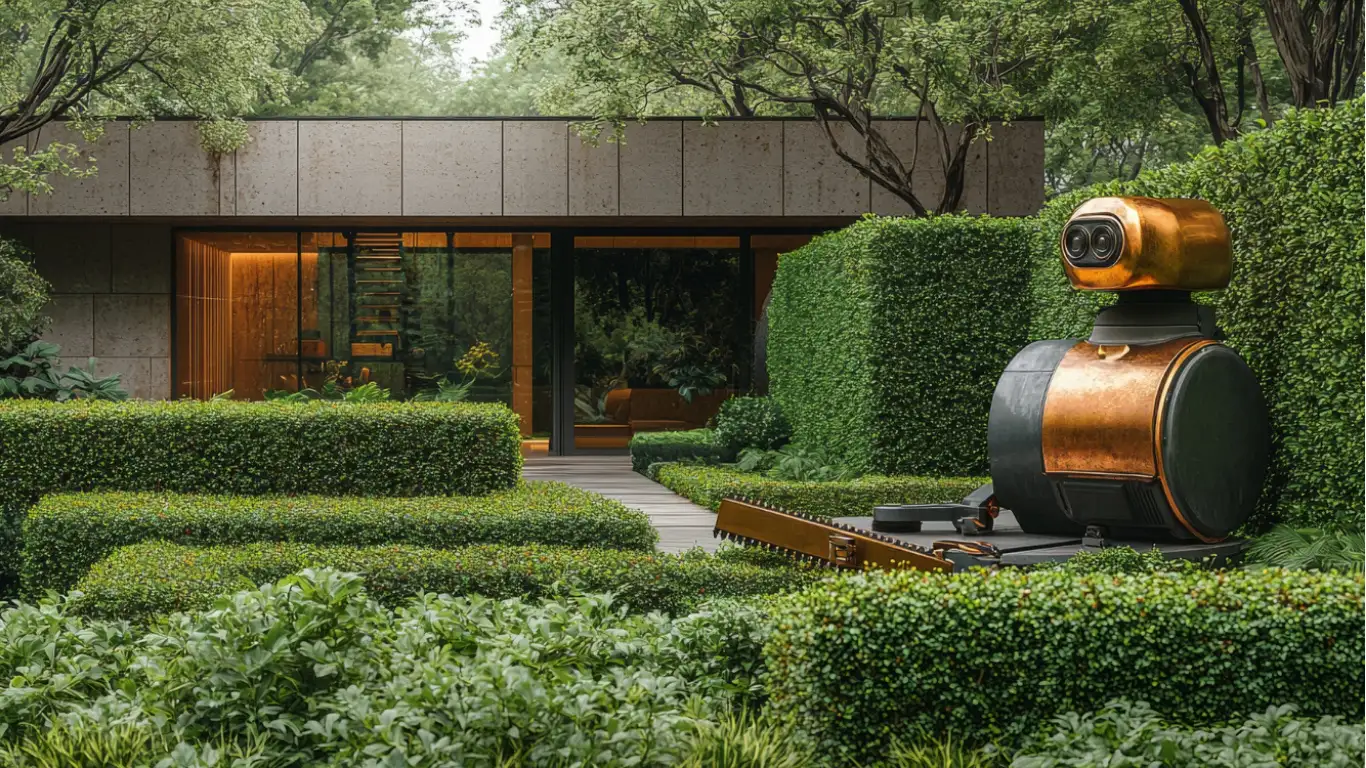
Landscaping in 2026 has evolved far beyond simple lawn care and flower beds. Today, homeowners are embracing outdoor spaces as extensions of their homes—places for relaxation, entertainment, and even productivity. With new design trends, eco-friendly solutions, and innovative technology, landscaping has become a powerful way to enhance both property value and everyday living.
Outdoor Living
One of the biggest trends shaping landscaping today is the concept of outdoor living. Homeowners are investing in features like outdoor kitchens, fire pits, pergolas, and comfortable seating areas to create spaces that feel like an extension of their indoor environment. These additions not only improve quality of life but also make homes more appealing to potential buyers. In 2026, functionality and aesthetics go hand in hand, with designs that prioritize both beauty and usability.
Sustainability
Sustainability is another major focus in modern landscaping. With increasing awareness of environmental issues, many homeowners are choosing eco-friendly options such as native plants, rain gardens, and drought-resistant landscaping. Native plants, in particular, require less water and maintenance while supporting local wildlife. Rain gardens help manage stormwater runoff, reducing the risk of flooding and erosion. These environmentally conscious choices are not only good for the planet but can also lead to long-term cost savings.
Technology has also made its way into landscaping. Smart irrigation systems, for example, use weather data and soil sensors to determine exactly how much water your lawn and plants need. This prevents overwatering and ensures that your landscape stays healthy year-round. Automated lighting systems can highlight key features of your yard while improving safety and security. In 2026, these smart solutions are becoming more accessible, allowing homeowners to maintain beautiful landscapes with less effort.
Low-Maintenance landscaping
Another emerging trend is low-maintenance landscaping. Busy lifestyles have led many homeowners to seek designs that require minimal upkeep without sacrificing visual appeal. This might include the use of hardscaping elements like stone pathways, patios, and retaining walls, as well as ground covers that reduce the need for mowing. Artificial turf has also gained popularity as a way to maintain a green, manicured look without the ongoing maintenance of natural grass.
Hardscaping plays a crucial role in modern landscaping design. Elements such as patios, walkways, and retaining walls add structure and functionality to outdoor spaces. They can define different areas of the yard, create visual interest, and improve accessibility. In 2026, materials like natural stone, pavers, and decorative concrete are commonly used to achieve a polished and durable finish. When designed thoughtfully, hardscaping can seamlessly blend with natural elements to create a cohesive outdoor environment.
Lighting
Lighting is another key component that often goes overlooked. Proper outdoor lighting can completely transform a landscape, making it usable and inviting even after the sun goes down. Pathway lights improve safety, while accent lighting can highlight trees, water features, and architectural details. In addition to enhancing aesthetics, lighting can also provide an added layer of security by deterring unwanted visitors.
Planning is essential when it comes to successful landscaping. Before starting any project, it’s important to consider factors such as soil quality, drainage, sunlight exposure, and climate. A well-thought-out plan ensures that plants will thrive and that the overall design will function as intended. This is where working with professionals can make a significant difference. An experienced landscaping company in Indianapolis can help you design and implement a landscape that suits your property, lifestyle, and budget while avoiding common pitfalls.
Seasonal landscaping is also an important consideration. In regions with changing climates, it’s essential to choose plants and materials that can withstand different weather conditions. Spring and summer may focus on vibrant flowers and lush greenery, while fall landscaping might include ornamental grasses and seasonal accents. Winter landscaping, though often overlooked, can still be visually appealing with the use of evergreens, decorative elements, and strategic lighting.
In addition to aesthetics, landscaping can have a significant impact on property value. A well-maintained and thoughtfully designed yard can increase curb appeal and make a strong first impression. In competitive real estate markets, this can be a deciding factor for potential buyers. Investing in quality landscaping is not just about immediate enjoyment—it’s also a smart financial decision.
Conclusion
Ultimately, landscaping in 2026 is about creating a space that reflects your personal style while meeting your practical needs. Whether you’re looking to build an outdoor oasis, improve sustainability, or simply enhance your home’s appearance, the possibilities are endless. With careful planning, modern tools, and the right expertise, you can transform your outdoor space into something truly remarkable.