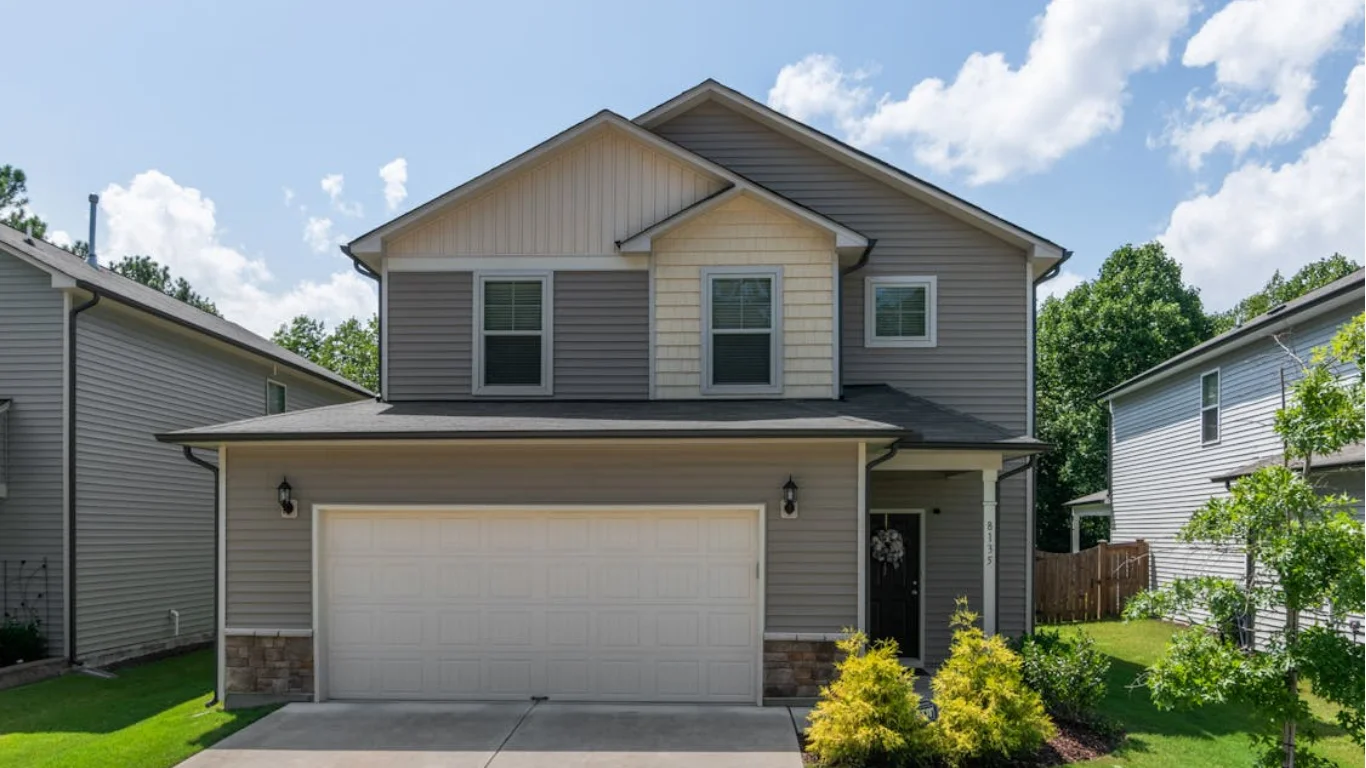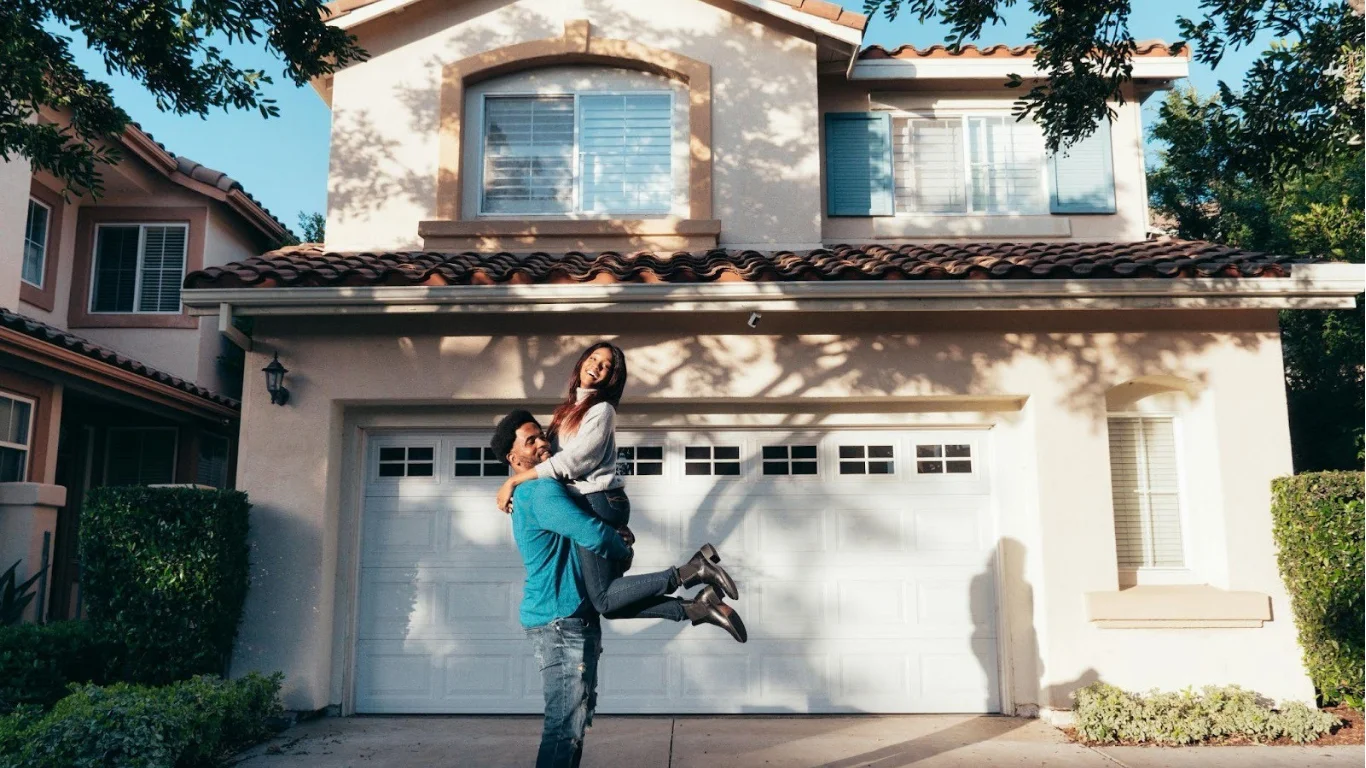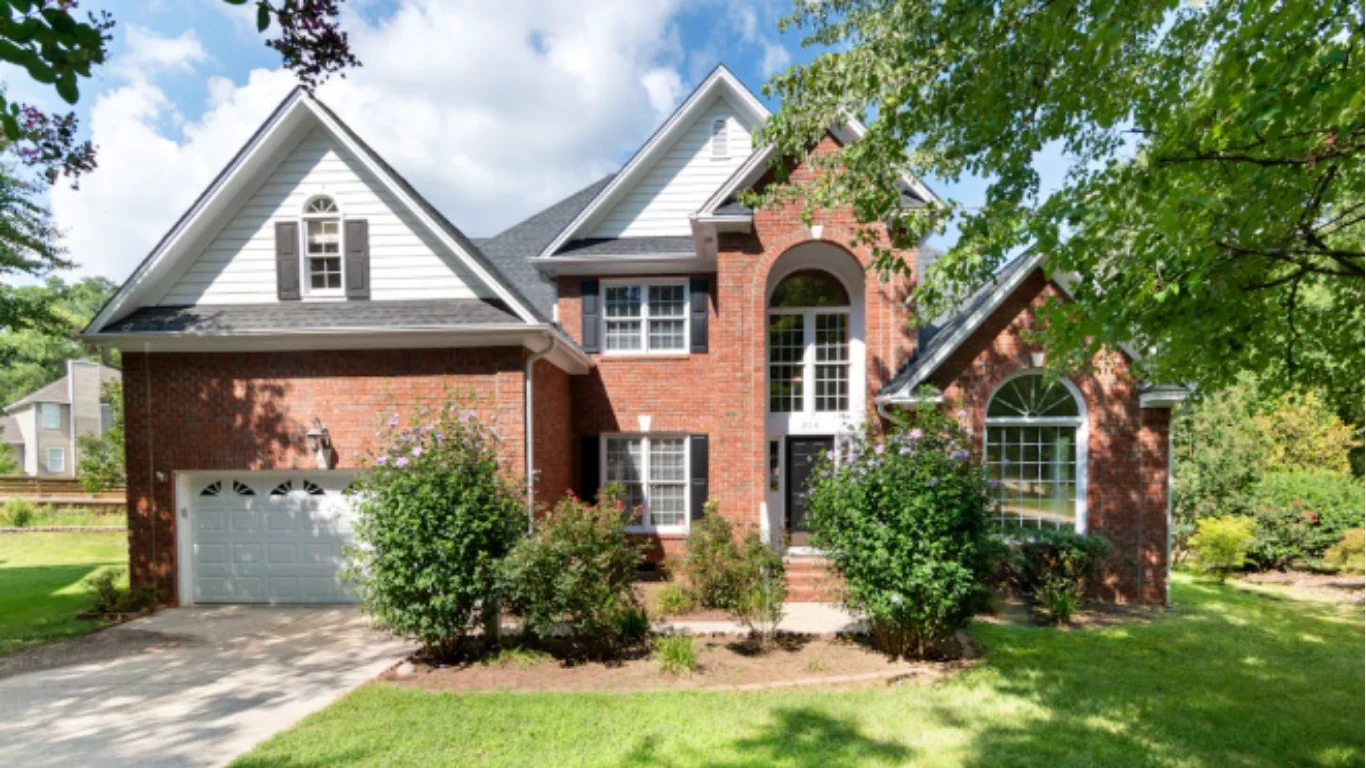
Most people think curb appeal comes from big upgrades, but that’s rarely what others notice first. What stands out are the small details—the things that feel slightly off but are hard to name. A faded front door, a dirty light fixture, or a crooked mailbox can quietly make your home look less cared for, even if the rest of the property is in good shape. The challenge is that these details often go unnoticed by the homeowner because they see them every day.
This guide focuses on those overlooked areas and shows you how to fix them in simple, practical ways that actually improve how your home looks from the street.
Greenery That Looks Planned, Not Overgrown
Plants and grass should look controlled, not random or overgrown. Start by trimming shrubs so they don’t block windows, walkways, or house numbers. Keep their shape simple and even rather than letting them grow unevenly. If you have empty spots near the entry, add a few plants or planters to make the space feel complete. Choose plants that match your climate so they stay healthy with less effort. Ground coverage matters too. Patchy or dry grass makes the yard look unfinished, so buy the best sod for your property to create a cleaner base and make everything around it look more intentional.
A Front Door That Feels Intentional
Your front door is where people naturally focus when they approach your home, so it should look clean and well thought out. Start by checking the condition of the paint. If it looks faded, chipped, or uneven, repainting it can make a noticeable difference right away. Choose a color that fits your home rather than something trendy that may not age well. Next, look at the hardware. Handles, locks, and knockers should feel sturdy and match each other. If they don’t, replace them with a consistent finish. Also, pay attention to how the door functions. If it sticks, squeaks, or doesn’t close properly, fixing that improves both appearance and everyday use.
House Numbers People Can Actually See
House numbers seem like a small detail, but they play a bigger role than most people expect. If they are hard to read, faded, or placed in an awkward spot, they make your home look outdated and harder to identify. Choose numbers that are simple and clear rather than decorative or overly stylized. The size should be large enough to read from the street without effort. Placement matters just as much as design. Mount them where they are not blocked by plants or shadows. If your entry area lacks lighting, consider numbers that stand out more or adding a small light source so they remain visible at night.
Lighting That Looks Clean and Works Well
Outdoor lighting should do two things: help people see clearly and make your home feel welcoming. Start by checking the condition of your fixtures. If they are dirty, rusted, or yellowed, they bring down the look of the entire entry area. Cleaning them might be enough, but in many cases, replacing them with a simple, modern design works better. Avoid overly decorative styles that don’t match your home. Pay attention to the light itself as well. Use bulbs with a consistent tone so the lighting doesn’t feel uneven. Most importantly, make sure every fixture works. A burnt-out bulb is a small issue that creates a noticeable negative impression.
A Mailbox That Doesn’t Look Forgotten
The mailbox often sits at the edge of your property, but people notice it more than you think. If it leans, rusts, or looks worn out, it sends a signal that small things are not being maintained. Start by checking its condition. If it is damaged, replacing it is usually better than trying to fix it. Choose a design that matches your home’s style instead of something generic. The post should be straight and stable, not loose or tilted. Also look at the area around it. Clear out weeds, trim nearby plants, and keep the ground clean. These small steps make the space feel intentional instead of overlooked.
Walkways That Feel Safe and Well-Kept
Your walkway guides people to your front door, so it should feel easy and safe to walk on. Cracks, uneven surfaces, or loose pavers can make your home look neglected and even create a safety risk. Start by inspecting the path closely. Fill small cracks and reset any loose sections so the surface feels stable. Cleaning also makes a big difference. Dirt, stains, and buildup can make even a good walkway look old. A pressure wash can quickly improve its appearance. If the edges look messy, add simple borders or trim back grass that spills over. These adjustments help the walkway look clean, defined, and properly maintained.
Trim Lines That Make Your Home Look Finished
Trim acts as the outline of your home, so when it looks worn, the entire exterior feels unfinished. Start by walking around your home and checking for peeling paint, cracks, or discoloration along windows, doors, and roof edges. These areas often fade faster because they face direct sun and rain. Sanding and repainting trim can make your home look sharper without a full repaint. Choose a clean, consistent color that contrasts slightly with your siding so the lines stand out. Also check for gaps where trim meets the wall. Sealing those areas helps prevent moisture damage and keeps everything looking tight and well-maintained.
Windows That Look Clear and Well-Maintained
Windows can either brighten your home or make it look dull depending on their condition. Dirt, streaks, and dust reduce how clean your home appears from the outside. Wash both the inside and outside of your windows so they look clear in natural light. Check the frames as well. If the paint is chipped or faded, touch it up to restore a neat edge. Screens should sit flat and free of holes. If they sag or tear, replace them. Also look for fogging between glass panes, which may mean the seal has failed. Fixing or replacing those windows improves both appearance and energy efficiency.
Strong curb appeal comes from attention to detail, not just major upgrades. When small elements look clean, aligned, and functional, your home feels more welcoming right away. The key is to look at your exterior the way a visitor would. Notice what feels off and fix it step by step. You don’t need to do everything at once. Start with one area, improve it, and move to the next. Over time, these changes build on each other and create a noticeable difference. A well-kept exterior shows care and makes your home stand out for the right reasons without requiring a full renovation.