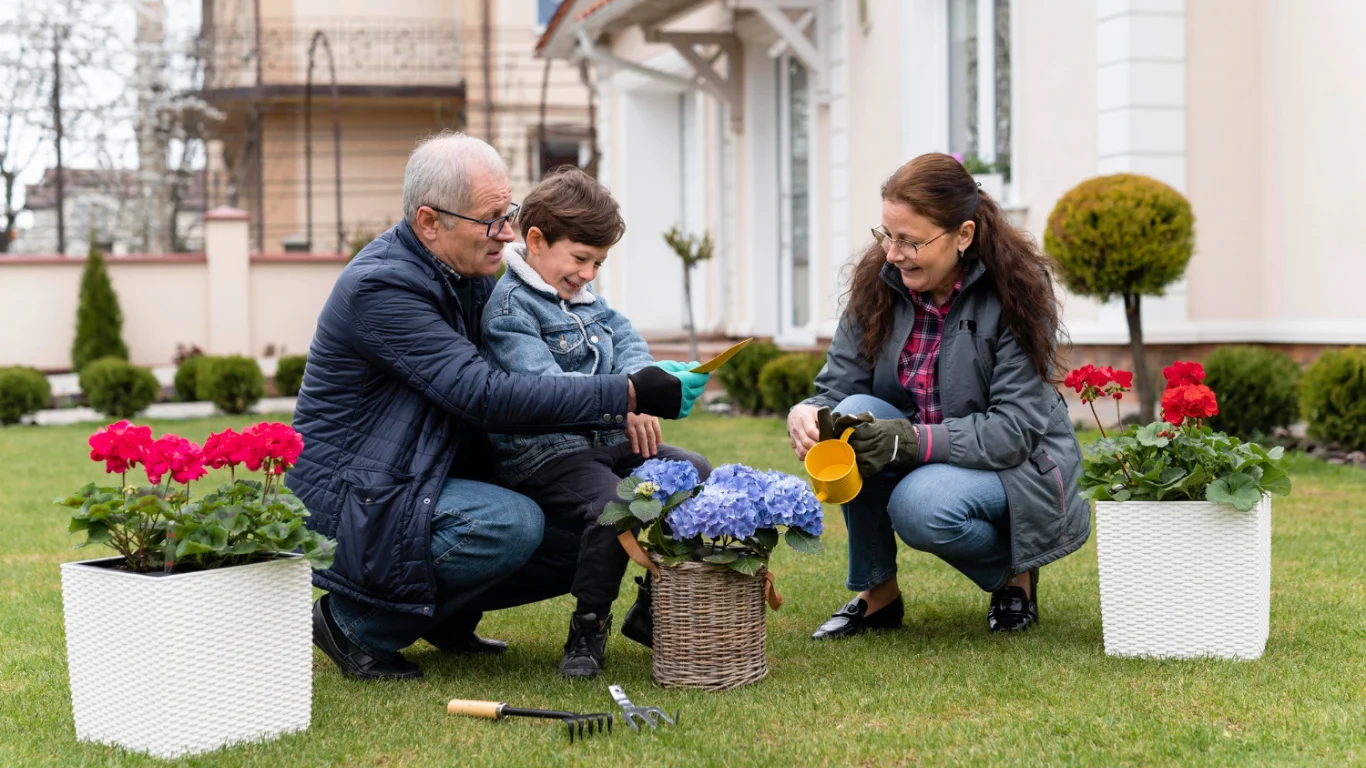
Transforming your backyard doesn’t have to be a huge project. If your yard feels like it’s always demanding attention, whether it’s weeding, watering, or fixing up, there’s a way to make it easier to manage. With a few smart choices, you can make your space look great while cutting down on the effort it takes to maintain it. This guide walks you through a simple plan to refresh your backyard in just a couple of weekends or spread it out over a month if that works better for you.
Start by Figuring Out What You Want
Before you dive into buying anything, take a moment to really think about your yard. A low-maintenance yard is less about doing “nothing” and more about doing the right things. Look at your space and ask yourself what parts you use the most and which areas get the most attention. Maybe it’s the garden by the front door, or the patio where you spend time with family.
Once you’ve figured out where you spend the most time or what you see the most, it’s easier to decide which areas need work. You don’t have to fix everything at once; just focus on what will make the biggest impact. This isn’t about making your yard perfect; it’s about making it easier to enjoy and maintain.
Make a Simple Plan and Stick to It
The idea of a backyard makeover can feel overwhelming, but breaking it down into manageable phases makes it easier. Start by deciding what you can do now, and what can wait until later. Instead of rushing into big, expensive changes, start small. A good plan might look like this:
You can begin with smaller tasks like cleaning up your space and defining edges, then move on to larger projects like adding irrigation or planting low-maintenance shrubs. You don’t have to rush into everything at once. Spreading things out this way allows you to avoid the frustration of half-finished projects and also keeps the costs manageable. It’s much better to tackle one thing at a time and finish it properly than to start too many projects that just sit there.
When you’re budgeting for these upgrades, it’s also worth thinking about how to pay for them. Some people use savings, some do smaller DIY projects, and others might explore financing options like home equity tools if they qualify. While that’s not for everyone, it’s helpful to know what your options are if you need extra funds to complete bigger projects. For example, some homeowners find that a reverse mortgage can be a useful option for funding larger home improvement projects, especially when they are looking to make their homes more accessible.
Clean Up and Define Your Space
The first thing you’ll want to do is clear the clutter. Take a walk around your yard and pull out any dead plants, trim back overgrown areas, and remove anything that’s just taking up space. This step immediately makes your yard look cleaner and more cared for. It doesn’t have to be perfect; just clearing away the obvious debris will make a big difference.
Next, define the edges of your garden beds and pathways. You can use simple tools to create neat lines between your lawn and flower beds, or if you want something more durable, install some edging. It’s an easy way to give your yard a tidy, organized look without a lot of effort.
Once the edges are defined, lay down a good layer of mulch. Mulch helps prevent weeds and keeps the soil healthy. It also gives everything a finished look. A few inches of mulch in your garden beds and along paths will do wonders for making your yard look more polished and cutting down on future maintenance.
Make Watering Easier
Watering is one of those tasks that can quickly become a hassle, especially during hot weeks when the garden seems to need constant attention. One of the easiest ways to reduce your workload is by installing a drip irrigation system or soaker hoses. These systems deliver water directly to your plants, which not only saves time but also conserves water.
A timer for your irrigation system is a game-changer. It automatically waters your plants, so you don’t have to worry about remembering to do it. It’s simple to install and saves you time every week. You can even group plants with similar water needs together to make your system even more efficient.
If you don’t want to go all in on irrigation right now, consider starting with a soaker hose or a simple garden timer. Even these small upgrades will reduce the time you spend watering, and you’ll notice a big difference.
Choose Low-Maintenance Plants
When it comes to plants, the goal is to choose varieties that don’t need constant care. You can still have a beautiful garden with minimal effort by selecting plants that are hardy and easy to maintain. Perennials are a great choice because they come back year after year, reducing the need to replant every season.
Look for drought-tolerant plants that thrive in your climate and need less attention. These are plants that can handle the weather, whether it’s a dry summer or a rainy fall. For a low-maintenance look, choose plants that don’t require frequent trimming or pruning. Stick to a few hardy plants and repeat them throughout your yard for a clean, consistent look.
Replace Problem Areas in Your Lawn
If parts of your lawn aren’t thriving or are just a pain to maintain, it might be time to consider replacing them. You don’t need to rip out everything, but swapping out patches of grass that are hard to maintain with something else can save you a lot of time.
Consider replacing struggling patches with groundcovers, gravel, or even stepping stones. This is especially useful in narrow side yards or spots where grass just doesn’t grow well. By replacing some of the high-maintenance lawn with something that requires less effort, you can make your yard easier to manage in the long run.
Add Comfort Features to Enjoy Your Yard More
A low-maintenance yard isn’t just about reducing effort; it’s also about making it a space you want to spend time in. Once you’ve tackled the basics, add one or two comfort features to help you enjoy the space even more. A simple bench or a small table can turn a corner of your yard into a cozy retreat. Solar lights along pathways or around the garden add a nice touch, and they help you enjoy the yard after dark.
These upgrades don’t have to be expensive or complicated. Even a small seating area or a few decorative touches can make your yard feel more inviting and functional.
Keep Things Tidy With Minimal Effort
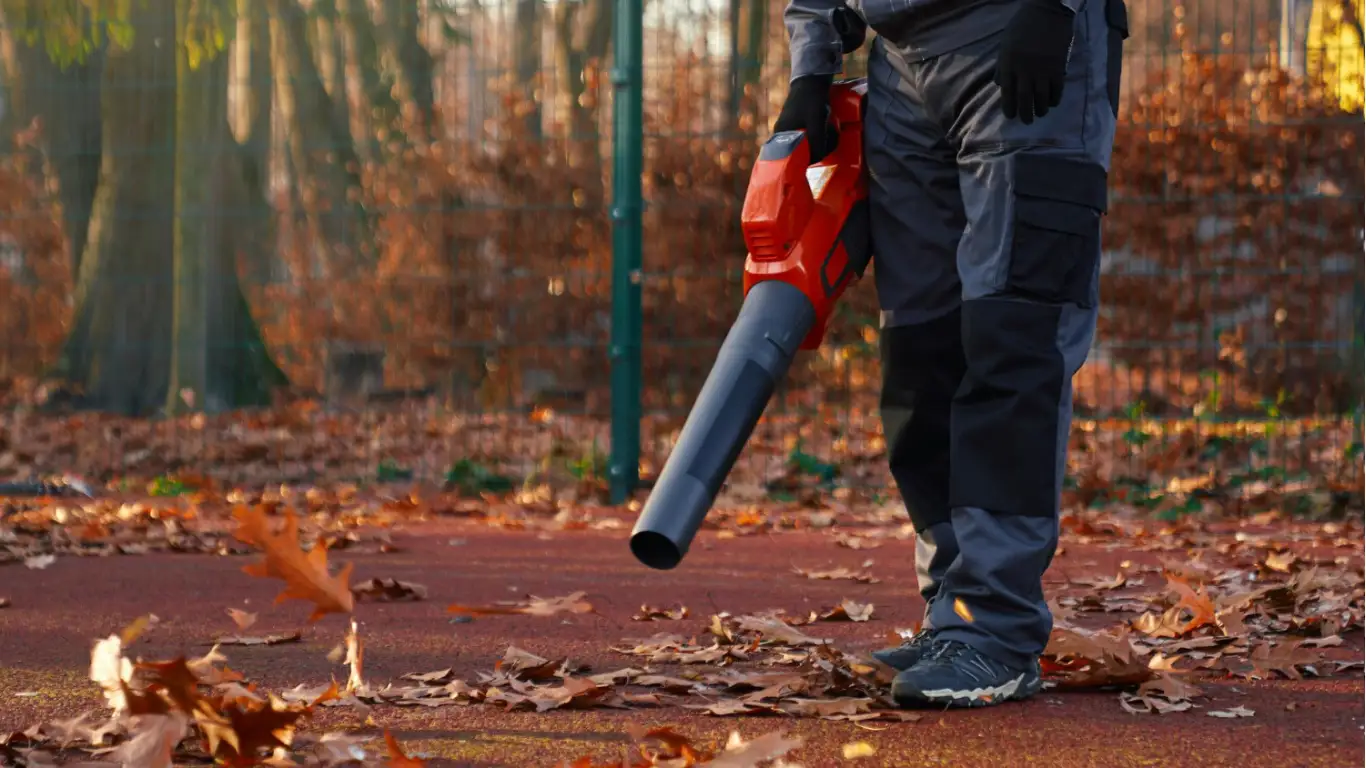
Once your backyard makeover is complete, maintaining it doesn’t need to take up all your time. A quick weekly check—picking up debris, pulling the odd weed, and checking your irrigation system—will keep things looking neat. A little bit of attention each week can prevent things from getting out of hand.
If you spend just 15 minutes each week on basic maintenance, your yard will always look fresh without requiring a lot of work. You can also do a more thorough check once a month to make sure everything is in good shape.
With a few simple changes, you can turn your backyard into a low-maintenance oasis that still looks great. By focusing on the areas that matter most and making smart choices about plants, watering, and layout, you’ll spend less time working on your yard and more time enjoying it. Whether you tackle everything at once or spread it out over time, this plan will help you create the perfect outdoor space for your lifestyle.