You don’t really think about your house until something goes wrong. A soft scratching in the wall at night, a damp patch that wasn’t there last week, a door that suddenly won’t close right. Most people notice these things and tell themselves they’ll deal with it later. Later turns into months.
Small problems are rarely small for long. Houses don’t fail all at once. They wear down quietly. The good part is this: most damage can be reduced, even avoided, with steady habits and a bit of planning. Nothing dramatic. Just consistent protection.
Seal What You Can’t See
Small gaps rarely look serious, which is why they’re often ignored. A hairline crack near a window or a thin opening under siding seems harmless at first glance. It isn’t. Those spaces let in damp air, insects, and slow drafts that wear a house down over time. Walk the perimeter without hurrying. Check around vents, pipes, and door frames. If caulk has shrunk or weather stripping feels stiff, replace it. The work is plain and a bit tedious. Still, closing what you can’t easily see keeps moisture out, steadies indoor air, and prevents repairs that tend to grow larger than expected.
Stay Ahead of Structural Intruders
Homes are steady, predictable spaces. That’s why it’s unsettling when you hear movement behind drywall or find droppings in a corner of the garage. The issue is rarely just the animal or insect itself. The larger concern is what they disturb: insulation, wiring, wood framing, and even air quality.
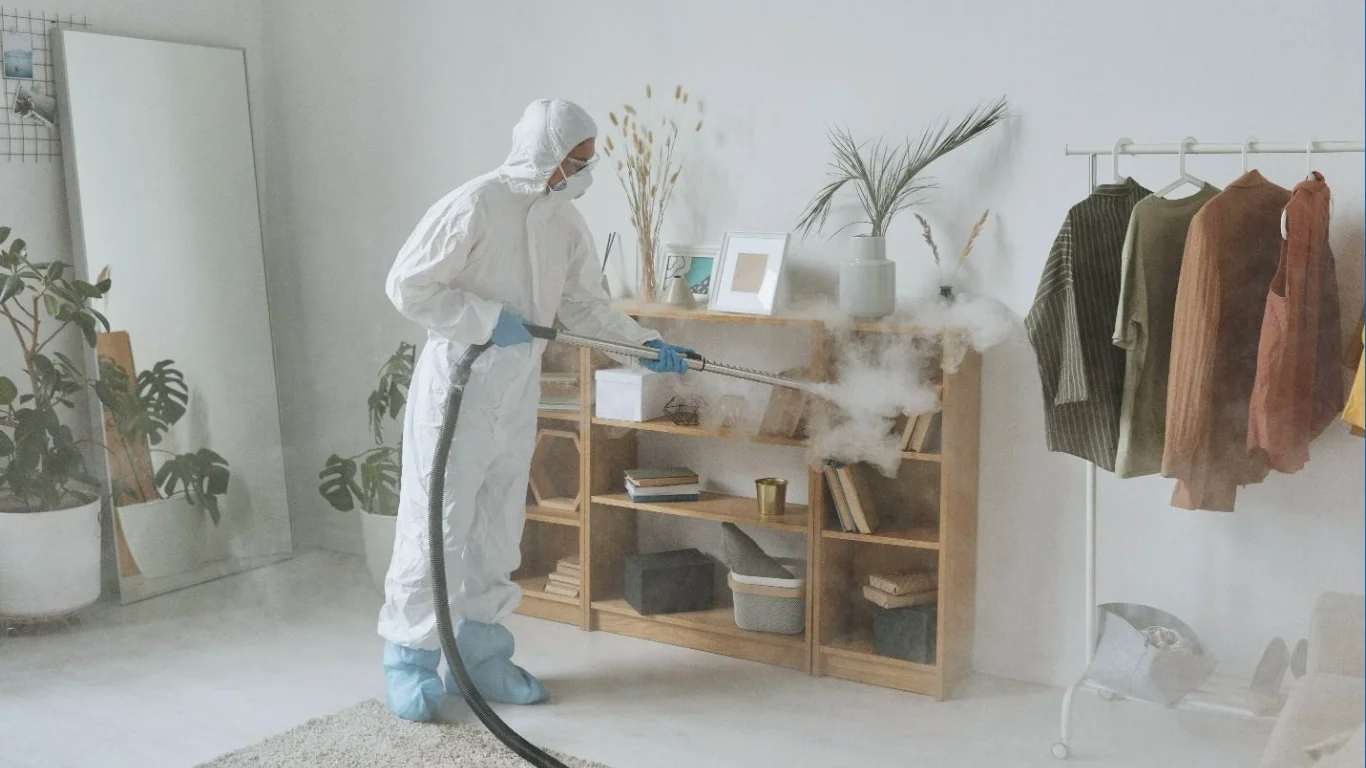
Pest infestation doesn’t happen overnight. By the time you identify it, it’s already spread. Regular inspections help. A careful look around attics, crawl spaces, and the edges of basements, or wood that sounds hollow when tapped, often signals activity. Left alone, that activity spreads. This is where professional pest control becomes necessary.
Professionals are trained to handle the source of the issue, not just the visible symptoms. The goal is not quick removal but long-term stability, so the home returns to being a closed system again.
Manage Water Like It’s Your Main Enemy
Water causes more damage than most storms ever will. It seeps in quietly and sits there. A clogged gutter can overflow and soak fascia boards. Poor grading around a foundation can let water pool and press against concrete walls. Over time, cracks form. Mold follows.
Gutters should be cleared at least twice a year. Downspouts should carry water several feet away from the foundation. If the soil slopes toward the house, it needs to be corrected. This might feel like yard work, but it’s structural defense.
Inside the house, watch for condensation around windows or pipes. It’s easy to ignore, especially during humid months. But repeated moisture, even light moisture, softens wood and drywall. Dehumidifiers in basements are often underused. They don’t fix everything, but they reduce stress on materials that were never meant to stay damp.
Strengthen the Outer Shell
The roof, siding, and foundation form a protective shell. When one part weakens, the others work harder. Shingles that curl or lift should not be left through another season. Siding that has warped may allow water behind it. Small foundation cracks can widen during freeze-thaw cycles.
A yearly exterior walk-around helps you see changes before they grow. Look up at the roof from different angles. Look closely at the line where siding meets trim. If something looks slightly off, it probably is.
Maintain Ventilation and Airflow
Air needs to move through a home in controlled ways. Attics especially should breathe. Without ventilation, heat and moisture build up, which weakens shingles and encourages mold growth on wood framing.
Bathroom fans and kitchen vents should lead outside, not just into an attic space. It’s surprising how often they don’t. Warm, moist air trapped in enclosed spaces leads to slow decay. The kind you don’t notice until the smell changes or the paint begins to bubble.
Good airflow also keeps indoor air healthier. It reduces pressure on heating and cooling systems. Filters should be changed regularly, even if they don’t look completely dirty. A clogged filter forces the system to work harder, and over time, that wear adds up.
Pay Attention to the Ground Around You
The soil around a home affects its stability more than most people realize. Expanding and contracting soil shifts foundations. Tree roots can press against underground pipes. Mulch piled too high against the siding traps moisture and invites insects.
Keep mulch a few inches below the siding line. Trim tree branches so they don’t hang directly over the roof. Roots don’t always need to be removed, but they should be monitored. If cracks in driveways or walkways appear near trees, that’s a sign that movement is happening below.
It’s not about removing nature from your yard. It’s about balance. A house and its landscape should work together, not compete.
Resilient homes are not perfect homes. They are watched homes. Maintained homes. Protected by steady, almost boring care. Over time, that steady care makes the difference between a house that holds up for decades and one that constantly feels one step behind its own problems.