When it comes to creating a sustainable garden, many people think about planting flowers or choosing native plants. However, one important aspect often gets overlooked: the role of stump grinding in garden practices.
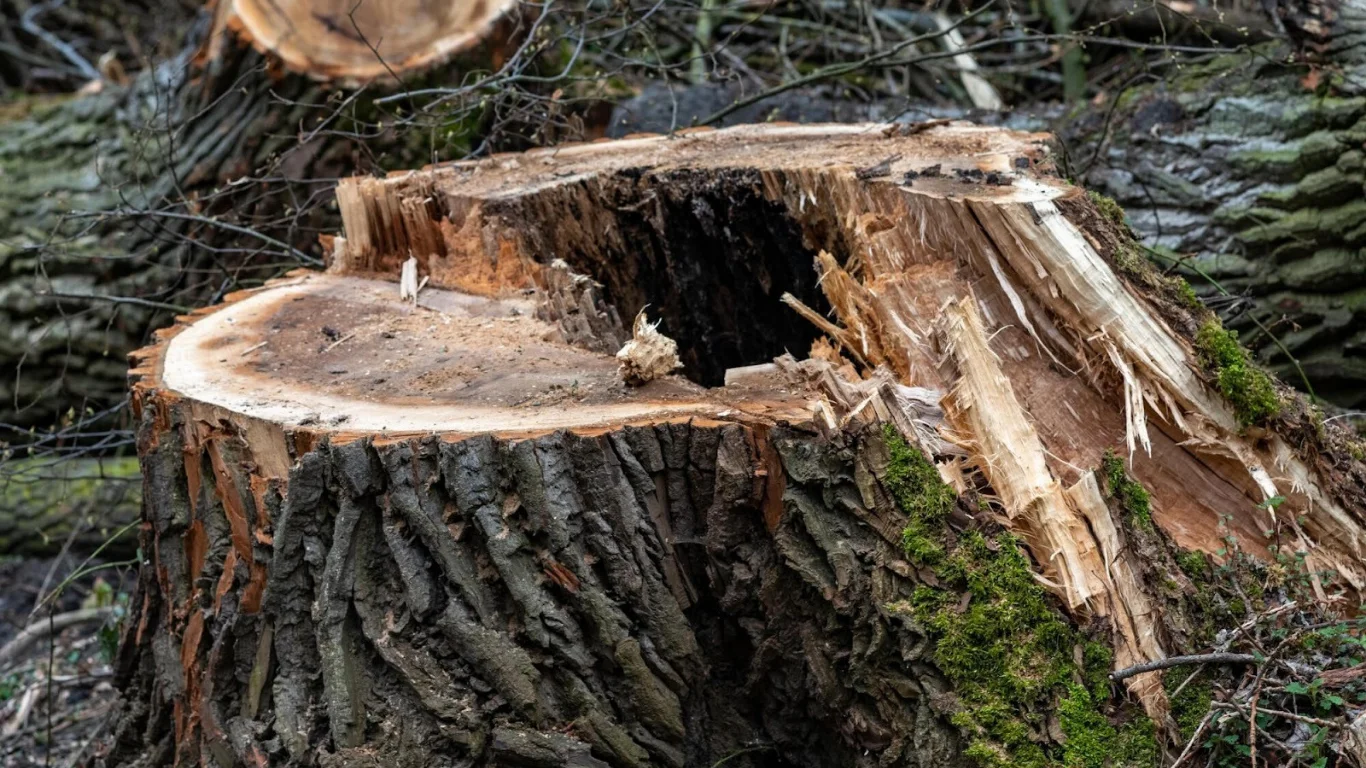
Stump grinding is when tree stumps are ground down into small chips. This helps manage the land better and promotes healthier growth for nearby plants.
Understanding Stump Grinding
Stump grinding removes the remaining part of a tree after it has been cut down. This process removes the ugly stump left in the ground.
It also lowers the risk of diseases and pests that can thrive in decaying wood. Additionally, stump grinding enriches the soil as the ground-up material breaks down over time, adding nutrients back into the earth.
Why is Stump Grinding Important for Garden Practices?
Stump grinding plays a critical role in sustainable garden practices for several reasons:
Reduces Decay Hazards
Leaving a tree stump in your garden can lead to decay, which becomes a breeding ground for insects like termites and carpenter ants. These insects can then spread to other plants, causing damage and even death. For example, the emerald ash borer, an insect that feeds on ash trees, can be attracted to decaying stumps and then infest healthy trees.
Similarly, diseases like root rot and fungal infections can spread from the decaying stump to other plants through the soil or by spores carried by the wind. By removing the stump, you can break this cycle of decay and prevent harm to your other plants.
Improves Soil Quality
The wood chips produced during stump grinding can be spread over the soil, serving as mulch that retains moisture, regulates temperature, and suppresses weeds. This mulch acts like a blanket, keeping the soil cool in the summer and warm in the winter, which helps to create a stable environment for plants to grow.
The wood chips also help to retain moisture in the soil, reducing the need for frequent watering and minimizing soil erosion. As the wood chips break down, they add organic matter to the soil, improving its structure and fertility. For instance, the addition of wood chips to the soil can increase the population of beneficial microorganisms, like mycorrhizal fungi, which help plants absorb nutrients from the soil.
Creates Space for New Growth
Removing stumps allows gardeners to plant new trees or shrubs, making room for eco-conscious landscaping projects that enhance biodiversity. You can use this new space to plant various species, such as native wildflowers or shrubs. These plants offer food and shelter for local wildlife.
Planting new trees helps absorb carbon dioxide from the air. They also produce oxygen and act as a natural barrier against strong winds and extreme weather.
For example, a gardener could plant a new tree species, like the red maple, which provides stunning fall colors and attracts birds and butterflies to the garden. By removing the stump and planting new growth, gardeners can create a thriving ecosystem that supports local wildlife and enhances the beauty of their garden.
Eco-Friendly Landscaping
Using stump grinding in practices can significantly impact the design and function of a garden. By getting rid of stumps, gardeners can create open spaces for planting native species that are well-adapted to the local environment. Native plants support local wildlife, including pollinators, birds, and beneficial insects.
Benefits of Native Plants
Native plants offer numerous benefits, including:
Lower Maintenance Requirements
Native plants are well-suited to the local climate and soil conditions, which results in less need for watering and fertilizing. For example, succulents and cacti thrive in dry climates. They need little water, which cuts down on watering and lowers water bills.
Increased Biodiversity
Planting a variety of native plants supports a larger range of wildlife, from bees and butterflies to birds and small mammals. Native plants provide food and shelter for local wildlife, creating a thriving ecosystem in the garden. By planting native species, gardeners can create a haven for local wildlife and support the local food chain.
Soil Erosion Prevention
The extensive root systems of native plants help keep the soil in place, preventing erosion and landslides. This is especially important in areas with heavy rainfall or steep slopes, where soil erosion can be a major problem. Native plants like grasses and shrubs have deep roots that anchor the soil, holding it in place and preventing it from being washed or blown away.
How Stump Grinding Works
The process of stump grinding involves specialized equipment that grinds the stump into small chips. This heavy machinery efficiently reduces the size of the stump, making it easier to incorporate into the soil. Most stump grinding services can adjust the depth of the grind, providing the flexibility needed to meet different gardening needs.
Integrating Stump Grinding with Other Sustainable Practices
To maximize the sustainability of your garden, stump grinding should be integrated with other eco-friendly practices. You can add the wood chips produced from stump grinding to your compost pile. As they break down, they contribute valuable nutrients back into the soil.
Using the chips as mulch will help keep your soil healthy by retaining moisture and preventing weed growth. Implementing systems to capture rain can help mitigate water use while ensuring your plants receive the moisture they need.
Sustainable Garden Designs
When incorporating stump grinding into your garden practices, consider your overall design. Plant trees and shrubs where they can thrive while avoiding interference with structures or other plants.
Incorporate different heights and layers of plants to create a diverse ecosystem. Design walkways that provide access to different areas of the garden without trampling on plants.
Choosing a Stump Grinding Service
When selecting a service for stump grinding in woodstock, ga, it’s important to choose a reputable company. Look for services that are experienced and have positive reviews from previous clients. They should use environmentally friendly practices, ensuring that their work aligns with sustainable gardening goals.
The Future of Sustainable Gardening
Stump grinding is an essential practice that supports sustainable garden practices. By improving soil health, reducing decay hazards, and allowing for eco-friendly landscaping, it offers numerous benefits to any garden.
As you plan your garden, consider the advantages of incorporating stump grinding alongside other environmentally friendly practices. Embrace the opportunity to create a lush, sustainable space that contributes to the health of your local environment.