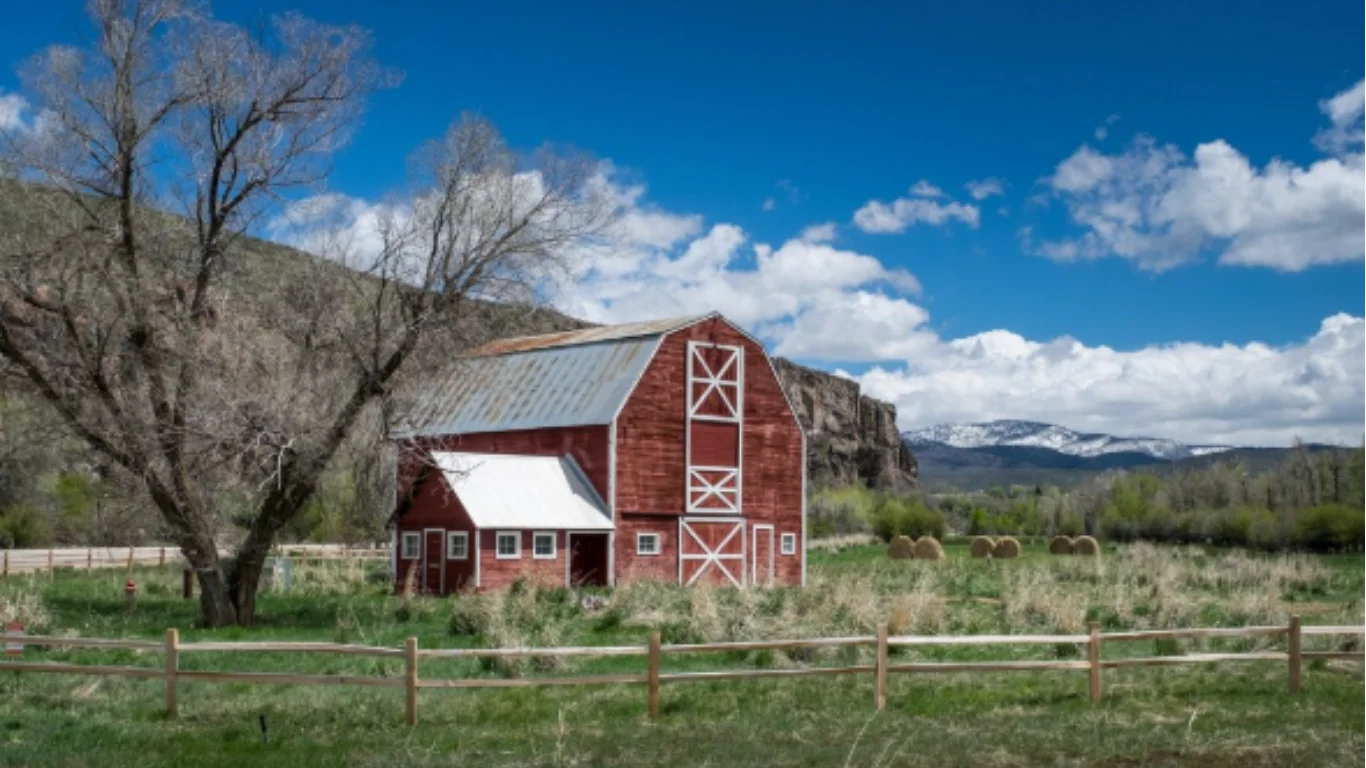
We all have once dreamt of having a home surrounded by a luscious garden and big farm. But as we grow older, that dream seems too far fetched from reality. But what if we tell you many people right now are ditching their city lives to turn that fantasy into reality.
It wasn’t an overnight trend though. Factors like rising food prices, growing interest in sustainability, and the desire to have more freedom; all contributed to make the shift happen. And, guess what? Many of these migrants are choosing rural areas in the midwest like Southern Wisconsin.
Today we will discuss why the shift toward a self-sustaining homestead makes sense and why southern Wisconsin is the major appeal in this trend.
The Shift To Rural Midwest-Why Is It Attracting New Homesteaders
Crazy Living Cost In Megacities
Did you know? From 2019 to 2023, the food prices in the USA have jumped up by a quarter. Yes, 25%. For many households, that jump turned everyday essential items into large expenses. Imagine having to think twice before buying a dozen eggs. That life sucks especially if you are a single-income family.
That’s why people have started asking whether producing at least some food themselves makes sense. Here’s a simple analysis. One laying hen produces (improved backyard breed) around 250 eggs every year. So, that means, if you raise just 6 chickens, your yearly production will be anywhere between 1200 to 1500 eggs. That can easily sustain a family.
Or, if you have a 600 square foot vegetable garden, you can harvest hundreds of pounds of tomatoes, beans, and leafy greens over a single season.
Thankfully, Wisconsin’s climate supports a wide variety of crops. And that’s one reason the Midwest is so appealing to new homesteaders.
Limitations of City Living
City life does have certain perks. But let’s face the truth. It also limits your freedom. Most of the time you can’t do whatever you want with your property. There are strict laws restricting your freedom.
It’s even common in many societies to restrict livestock entirely. Imagine not being able to keep your pet with you because of HOA rules. That’s what triggers many homeowners to move to the countryside to properly own a piece of land.
Long-term Savings
Starting your own ecosystem sounds crazy expensive. After all, you have to invest in a lot of things like fencing, gardening equipment, and building infrastructure .
But have you considered the long-term economics? Here’s an example.
Suppose you have installed solar panels to reduce electricity bills. Even though the initial installation is costly, you’re saving around $1500 of electricity bill every year. Over a 20-year period, that becomes $30,000.
Must -Have Elements of a Self-Sustaining Homestead
Food Production Systems
Most new homesteaders usually begin with a vegetable garden. It’s beautiful to look at and is super easy to start. Here’s what a moderate garden of 600 to 1,000 square feet can produce:
- Around 150 pounds of tomatoes
- 80 to 100 pounds of potatoes
- 50+ pounds of green beans
That doesn’t replace grocery shopping entirely. But it can significantly reduce how often you buy fresh produce.
Farming Livestock
Once you have successfully started your own food production, it’s only logical to add small livestock. Raising chickens is often the first step. They’re relatively easier to care for and require limited space.
A small flock of 6–10 laying hens can easily produce up to 1,800 eggs per year, depending on their breed and conditions. That’s enough to supply a household and still have surplus eggs during peak production months. Later, you can expand into other livestock like goats, bees or sheep. That’s how you ensure your protein requirement is met on a daily basis.
Water Retention System
The third element is a private well. Once installed, they can be a reliable long-term water source without monthly municipal water bills.
Many homesteaders also like to harvest rainwater. It can be collected from rooftops and can be stored in tanks. You can use it to water your plants, livestock, etc.
What To Consider Before Actually Leaving Urban Life
We won’t argue that a slow life in the countryside will be extremely rewarding. However, it comes with lots of planning that includes making changes in your daily schedule, handling finances as well as developing new skills.
Here are a few practical questions you need to ask yourself.
Are You Willing To Learn New Skills?
Gardening might sound super fun. But this hobby alone requires a solid understanding of soil health, composting, seasonal planting schedules, etc. You also need knowledge on how to rotate crops, and manage pests.
Then there are preservation skills. When a garden produces hundreds of pounds of vegetables you must know how to store all of that for later use. That’s when skills like canning, making sauces, and dehydrating herbs come handy.
You see, something as simple as gardening requires you to develop so many skills you never tried before.
Can You Bear The Financial Burden?
The land itself is only the starting point. A functioning homestead also requires fencing, soil preparation, greenhouse set up, animal shelters, etc. So, it’s very important to weigh these factors.
For example, installing fencing for livestock can cost $5–$15 per linear foot, depending on materials. Plus, building a basic chicken coop might cost $500 to $2,000.A small greenhouse structures can range from $1,000 to $5,000 or more.
Can You Balance Self-Sufficiency With Modern Convenience?
Successful homesteads don’t exist in complete isolation. You still need to rely on nearby communities for certain things like top-notch medical care, hardware supplies, schools, or occasional groceries.
That’s why many people look for rural areas that still offer reasonable access to towns and services.
Southern Wisconsin works well for this balance. Communities around Lake Geneva allow homeowners to live on larger rural properties while still being close to most city amenities.
How To Find The Right Property for a Self-Sustaining Homestead
You can’t just go for land in any rural countryside. To make sure you don’t compromise your lifestyle, you must pay attention to certain things before saying yes. The first thing you check is the zoning regulations. It indicates what you are allowed to do with the land. Some areas have strict zoning laws restricting the number of animals allowed on residential properties.
Our suggestion would be to begin your search in areas already known for rural residential living. Browsing dedicated listings for homes in the 53147 ZIP code is one of the easiest ways to do so. Many properties in that region include acreage and zoning suitable for gardens, livestock, and small-scale agriculture. Lake Geneva in Southern Wisconsin is one such region that combines fertile farmland with flexible zoning rules.
Bottom Line
Creating a self-sustaining homestead doesn’t mean you have to abandon modern life. It’s about creating a balance in between. You are literally breaking free from the “system” and taking control of your life. All you need is the right property and a gradual approach to building infrastructure.