A cozy home does not rely on expensive renovations or dramatic changes. It comes from thoughtful improvements that make your space feel warmer, calmer, and more inviting every day. Small upgrades can shape how you relax after work, how guests feel when they walk in, and how comfortable your home feels during quiet moments. Lighting, temperature, textures, and layout all play a role in creating that sense of ease people associate with a truly cozy atmosphere.
This article will guide you through some simple home improvements that help transform any space into a place that feels comfortable, welcoming, and easy to enjoy.
Start With Warm, Intentional Lighting Choices
Lighting shapes how a room feels the moment you step inside. Bright, cool lighting often creates a sharp and uncomfortable mood, especially in spaces meant for rest. Warmer lighting helps soften edges and makes rooms feel more inviting. Swapping harsh overhead bulbs for warm-toned options can quickly change the atmosphere. Adding table lamps or floor lamps spreads light evenly and reduces shadows that make a space feel cold. Dimmer switches also help adjust lighting throughout the day, allowing the room to match your routine and mood. When lighting feels balanced and gentle, the entire home feels more comfortable.
Upgrade Your Heating System for Consistent Comfort
A cozy home depends on steady and reliable warmth. When temperatures fluctuate or rooms feel uneven, comfort suffers. Older heating systems often struggle to maintain consistent warmth, which can leave certain areas cold while others feel overheated. Regular maintenance can solve minor issues, such as clogged filters or worn parts. However, repeated breakdowns, rising energy bills, or a system nearing the end of its lifespan signal deeper problems. At that point, it becomes important to decide whether to repair or replace your heating system. Replacing an outdated unit often improves efficiency, reduces noise, and delivers even heating throughout the home. A dependable system allows you to enjoy comfort without constant adjustments or worry.
Add Soft Textures That Instantly Warm Up a Space
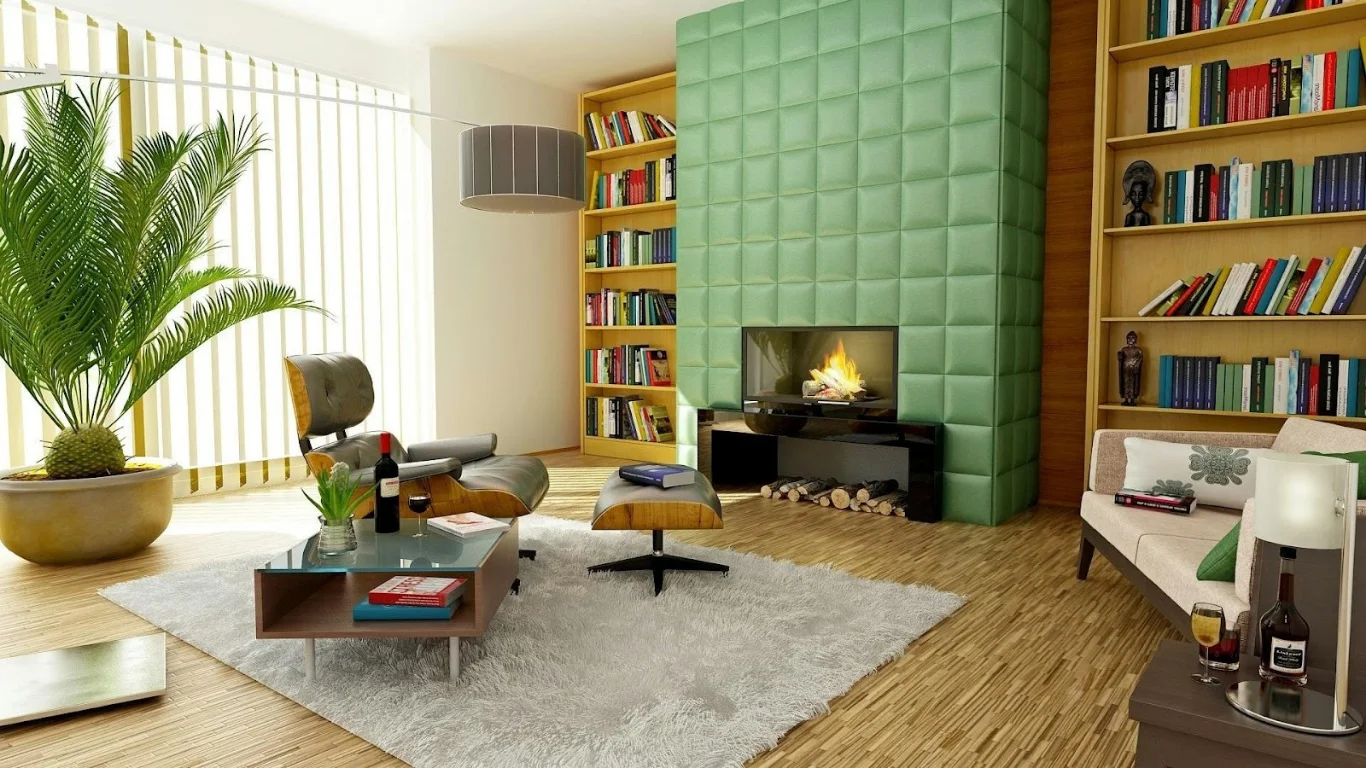
Texture plays a major role in how inviting a room feels. Smooth surfaces alone can make spaces feel flat and unwelcoming. Soft materials bring warmth and comfort without major changes. Adding throw blankets to seating areas or placing cushions on sofas encourages relaxation. Area rugs help soften hard flooring and add warmth underfoot, especially during colder months. Fabrics like wool, cotton, or knit blends feel comfortable and durable. The key lies in moderation. A few well-chosen pieces create a cozy feel without making the space crowded.
Refresh Wall Colors With Cozy, Neutral Shades
Wall color strongly influences the mood of a room. Bright or dark colors often feel cold and distracting. Warm neutrals help create calm and balance. Shades like soft beige, muted gray, or warm cream provide a soothing backdrop that works with many decor styles. These colors reflect light gently, which adds warmth without overpowering the space. An accent wall can introduce depth without changing the entire room. Even a fresh coat of paint in a subtle tone can make a room feel renewed and more comfortable.
Improve Window Treatments to Control Light and Warmth
Windows affect both light and temperature. Thin or outdated coverings often allow drafts and excessive brightness. Thicker curtains or layered treatments help regulate indoor warmth and reduce heat loss. They also soften natural light, which prevents glare and creates a more relaxed atmosphere. Choosing fabrics that balance style and insulation adds comfort while improving energy efficiency. Proper window treatments also enhance privacy, making rooms feel more secure and restful.
Rearrange Furniture to Encourage Relaxation
The way furniture sits in a room affects how welcoming and comfortable it feels. When pieces block natural pathways or sit too far apart, the space can feel awkward and uninviting. Rearranging furniture to support easy movement helps the room feel more inviting. Seating should encourage conversation rather than face walls or corners. Pulling sofas and chairs slightly closer together creates a sense of connection and warmth. Leaving enough open space prevents the room from feeling cramped. A thoughtful layout allows the room to feel calm and easy to enjoy.
Use Natural Elements to Create a Calming Feel
Natural materials bring a quiet sense of comfort into any space. Wood finishes, stone accents, and woven fabrics help soften the overall look of a room, while internal oak doors add warmth and character without overpowering the design. These elements create balance and reduce the sterile feel that comes from too many artificial surfaces. Adding indoor plants also improves the atmosphere by introducing gentle color and life. Even small touches, such as a wooden tray or linen fabric, can make a noticeable difference. Natural elements work best when used sparingly, allowing the room to feel grounded without appearing cluttered.
Focus on Small Updates in High-Use Areas
Some spaces influence comfort more than others. Living rooms, bedrooms, and entryways see daily use, which makes them ideal places for simple improvements. Small updates in these areas often have the biggest impact. Swapping worn hardware, updating shelves, or replacing outdated fixtures refreshes the space without major effort. Improving comfort where you spend the most time supports daily routines and creates a sense of ease. Concentrating on high-use areas ensures your efforts feel practical and worthwhile.
Reduce Noise for a More Peaceful Environment
Sound plays an important role in how a home feels. Excess noise disrupts comfort and makes it harder to relax. Hard surfaces often cause sound to echo, which adds to the problem. Introducing soft materials, such as rugs or curtains, helps absorb noise and reduce harsh sounds. Sealing small gaps around doors and windows also limits outside noise. These changes create a quieter environment that feels more restful. A peaceful home supports better focus, relaxation, and overall comfort.
Personalize Your Space With Meaningful Details
A home feels cozy when it reflects the people who live there. Personal items add warmth and character that no store-bought decor can replace. Displaying photos, books, or meaningful objects helps create a sense of belonging. These details make a space feel lived-in rather than staged. However, personal touches should enhance comfort, not overwhelm the space. When chosen carefully, they complete the atmosphere and make the home feel truly yours.
When a home supports how you live, rest, and connect, comfort becomes part of everyday life. Small adjustments in layout, sound, materials, and personal expression shape a space that feels welcoming without trying too hard. Over time, these choices create a home that adapts to your routines and reflects your needs. True comfort comes from creating a space that feels natural to be in, not one that follows trends or rules.