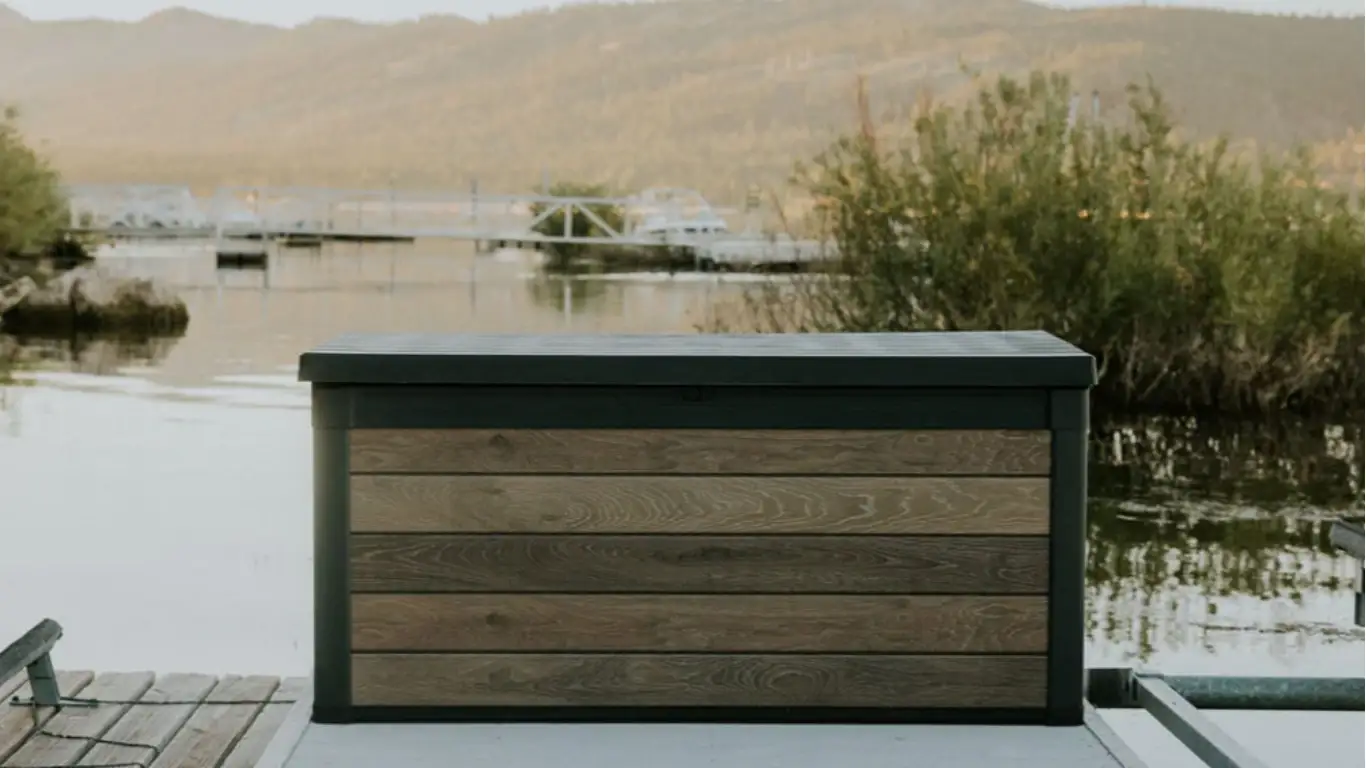
Your garden shed is more than just a backyard extra—it’s a functional space that protects your tools, bikes, and seasonal gear. But when storm season hits, even the sturdiest shed can become vulnerable to strong winds, heavy rain, and flooding. Whether your shed is a small storage solution or an outdoor storage shed from Keter, proper storm-proofing helps extend its life and keeps your belongings safe.
Below, we’ll walk through three critical aspects of storm-proofing your shed: anchoring, roofing, and drainage. Each of these plays an essential role in helping your shed withstand rough weather and stay secure year-round.
1. Anchoring: Keeping Your Shed Grounded
When high winds hit, the biggest risk for a lightweight or poorly secured shed is uplift—when strong gusts can literally lift your shed off the ground. That’s why anchoring is the first step in storm defense.
Why Anchoring Matters:
A solid anchoring system prevents movement and structural damage during wind and rain. Without proper anchoring, even a heavy shed can shift or topple, especially if flooding softens the soil beneath it.
Anchoring Options to Consider:
- Concrete Slab Anchors: If your shed sits on a concrete base, use anchor bolts or expansion bolts embedded into the concrete. Attach metal anchor brackets to both the concrete and the shed’s framing for stability.
- Ground Anchors: For sheds built directly on soil or gravel, auger-style anchors or steel earth anchors screw into the ground at an angle. These are excellent for resisting wind uplift.
- Perimeter Skirting: Adding skirting around the shed’s base helps block wind undercurrents, reducing lift pressure and preventing debris from collecting beneath it.
Pro Tip: Before installing anchors, check your local zoning or homeowner association guidelines—some areas have specific requirements for storm-resilient structures.
2. Roofing: Reinforcing Against Rain and Wind
Your roof is your shed’s first line of defense against bad weather. While most sheds come with weather-resistant materials, you can take a few extra steps to reduce the chance of leaks, cracks, or total roof failure.
Inspect for Weak Points:
Before storm season, look for loose nails, cracked panels, or missing shingles. These small issues become big ones when wind and water arrive. Re-seal joins with outdoor-grade caulk and secure all fasteners.
Upgrade Roofing Material:
If your shed’s roof is made of thin metal or low-cost felt, consider upgrading to a more durable material such as asphalt shingles, corrugated steel, or composite tiles. A reinforced roof reduces maintenance needs and resists high winds better than lightweight materials.
Add Roof Bracing:
Installing diagonal braces or hurricane ties along the rafters adds structural rigidity. These metal connectors help the roof resist twisting or detaching during extreme gusts.
Clear Roof Debris:
Leaves and branches collect moisture that can seep through roof seams. Keep your shed’s roof clear and inspect gutters regularly to avoid buildup.
3. Drainage: Diverting Water Away
Even if your shed is perfectly anchored and has a watertight roof, poor drainage can spell trouble. Standing water weakens foundations, encourages mold growth, and attracts pests. The solution? A well-planned drainage system that directs water away quickly and efficiently.
Check Ground Slope:
Your shed’s base should sit slightly higher than the surrounding ground, with at least a 2–3% slope to guide rainfall away. You can build up low areas with gravel, crushed stone, or compacted soil to prevent pooling.
Install Gutters and Downspouts:
Adding gutters to your shed may seem unnecessary. Still, they dramatically reduce the amount of water that collects around the base—direct downspouts at least 3 feet away from your shed to keep runoff from seeping into the foundation.
Improve Perimeter Drainage:
If your yard experiences heavy rainfall, consider installing a French drain—a trench filled with gravel and a perforated pipe—to move water away from the structure. Alternatively, simple drainage trenches or a rain garden can serve as natural overflow solutions.
Bonus Tips for Shed Longevity
Storm-proofing doesn’t end once the anchors and gutters are in place. Routine maintenance ensures your shed stays strong and functional.
- Seal openings: Use weatherstripping around doors and windows to prevent wind-driven rain from entering.
- Check hinges and locks: Metal hardware can rust or loosen over time. Coat hinges and screws with a rust-resistant spray before storm season.
- Remove nearby hazards: Trim branches overhanging the shed and secure loose garden décor or furniture that could become airborne.
- Ventilate properly: Proper airflow reduces condensation inside, preventing moisture damage after storms.
By applying these practices, you’re not only protecting your shed—you’re extending the life of everything stored inside it.
Storm-proofing your shed may seem like a weekend project, but it’s one of the smartest ways to protect your investment and reduce repair costs later. Secure anchoring keeps your structure in place, durable roofing prevents leaks, and smart drainage keeps the foundation dry.
Think of your shed like a mini home—it deserves the same level of care and preparation as a real home before harsh weather sets in. With the right upgrades and maintenance, your shed will remain steady, dry, and ready for whatever Mother Nature has in store.