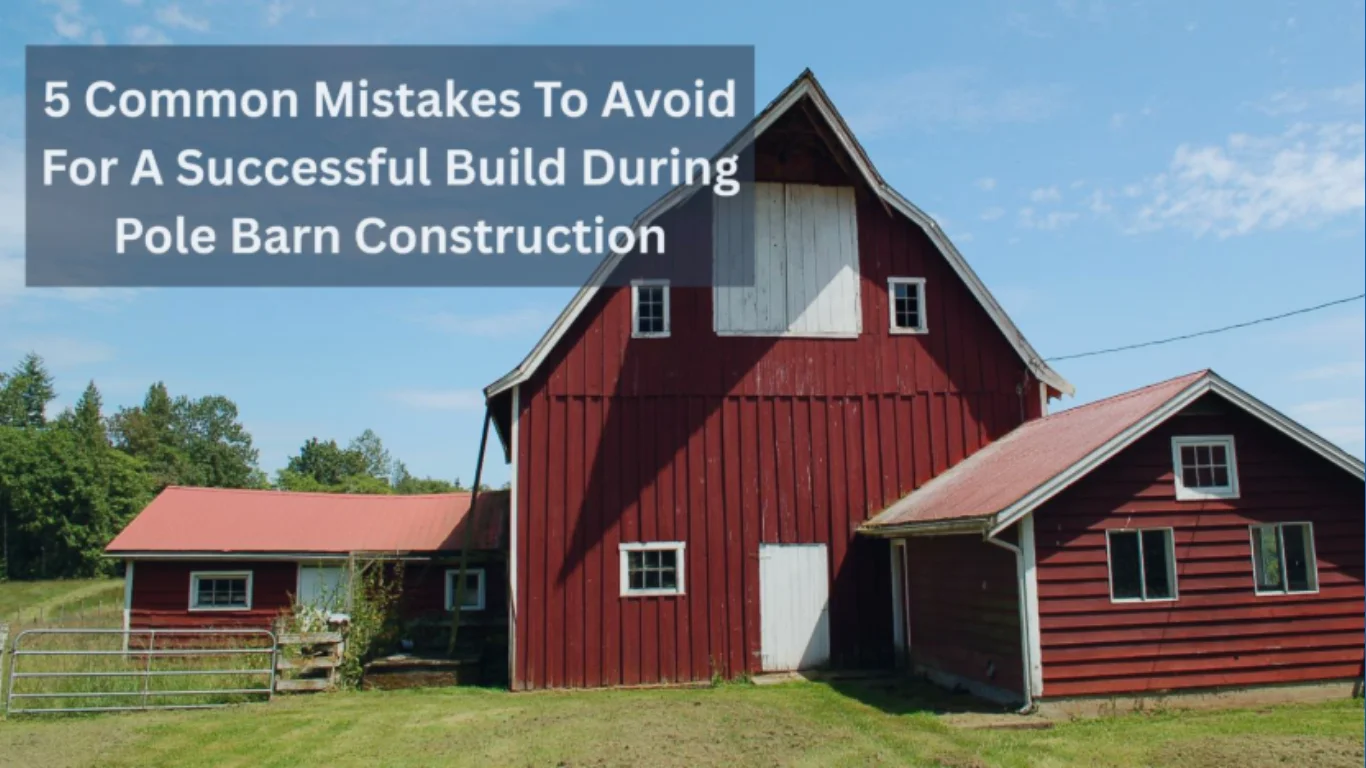
Constructing a pole barn is a big investment, whether it is to house equipment, store farm goods, house animals, or a workshop. The process might also seem simple at the beginning: select a design, prepare the land, and begin the construction.
Nevertheless, most projects fail to meet their timelines, experience cost increases, or structural issues due to a failure to capture important details at the early stages. Weather exposure, soil stability, permits, and long-term functionality are influential factors that contribute to success.
The problems begin to emerge as soon as one of these factors is neglected. Luckily, the majority of construction failures can be avoided through adequate preparation and decision-making.
With knowledge of pitfalls and how to avoid them, you can build your pole barn to last. The article describes five errors that should be avoided when constructing a pole barn.
1. Poor Site Preparation and Inadequate Planning
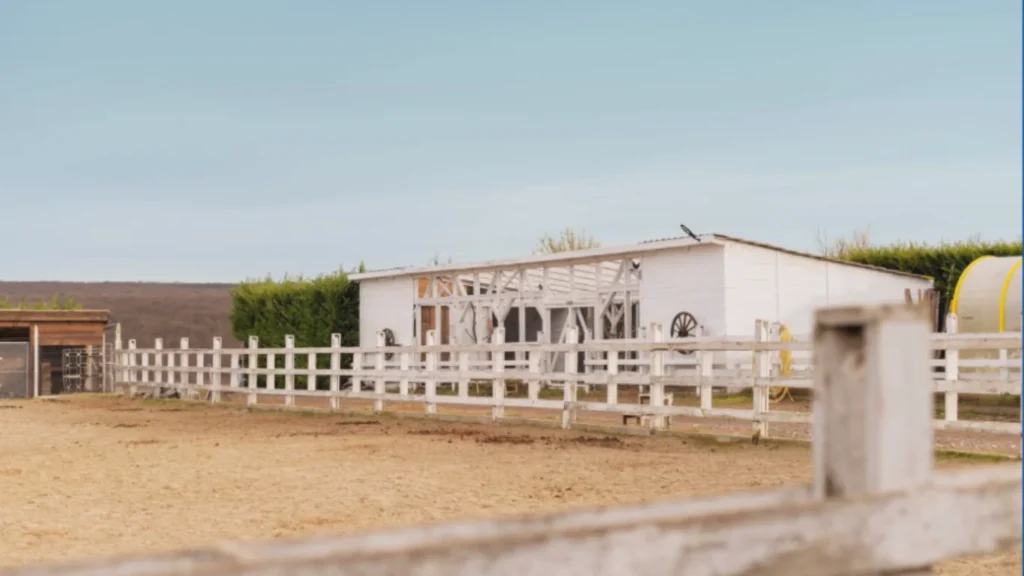
In a state such as Ohio, the climatic conditions require proper planning before any construction can be started. There is a lot of snowfall, seasonal winds, spring rainfall, and significant changes in temperature. These environmental conditions exert pressures on structural posts, roofing systems, and foundations.
Thus, it is not optional, but it is crucial to evaluate your land thoroughly. Since soil structure and drainage systems differ between rural and suburban areas, adequate grading and drainage control should be considered first.
That is why qualified pole barn builders Ohio place stress on the examination of the soil stability, direction of the slope, and the exposure to the wind prior to the post placement. When site preparation is not done properly, the water can accumulate around the bottom of the posts, resulting in premature decay.
Also, the ground may be uneven, leading to permanent settling problems. Rather, make sure that the land is properly leveled, drainage is directed away, and access points are planned properly.
2. Neglecting Permits and Local Building Codes
The other error is the belief that a pole barn does not need permits. The majority of counties impose building codes that deal with snow load capacity, wind resistance, structural integrity, and setback.
Failure to do this may stop construction in the middle of the project. In addition, non-compliance can force costly changes following inspections. Insurance coverage may also be influenced in instances where the building fails to meet the local standards.
To prevent such problems, ensure that all the zoning and permit requirements are met prior to breaking ground. Present the correct plans and allow time for approval. As much as paperwork might be seen as a setback, it will secure your investment and make sure your building is safe.
3. Selecting Materials Only on the Basis of Price
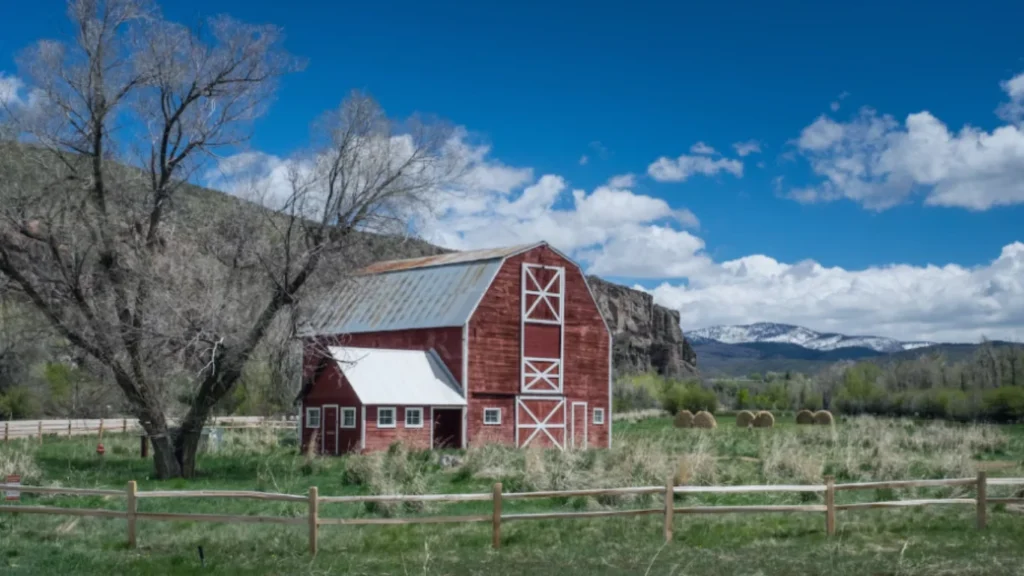
Budget is also a factor, but when materials are chosen on the basis of cost only, there is the likelihood of long-term problems. Less expensive fasteners, cheaper metal panels with thin gauge, and lower-grade lumber can save on initial costs but at the expense of quality.
Seasonal weather changes can readily detect material weaknesses. Wood that is not treated may be warped by moisture. Poor-quality metal roofing is subject to rust. Poorly fitted fasteners can come loose because of wind pressure.
Rather, quality should be emphasized where it is most needed. Posts are pressure-treated to resist the moisture in the ground. Fasteners that are resistant to corrosion increase the life of the structure. Good roofing materials are capable of withstanding snow and changes in temperature.
Even though the cost of better materials is higher at initial investment, the cost of maintenance and repairs will be lower.
4. Ignoring Functional Layout and Daily Usability
A pole barn should support how you plan to use it every day. Unfortunately, many builds focus on size without considering workflow and accessibility. For example, overhead doors that are too small can restrict equipment movement.
Poorly positioned entry points may disrupt traffic flow. Insufficient ceiling height can limit storage, stacking, or machinery clearance. To prevent these issues, think beyond square footage. Consider how vehicles will enter and exit. Plan interior layout around storage zones or workstations.
Position windows to maximize natural light and ventilation. Additionally, think ahead. If you anticipate adding insulation, electrical systems, or expanded storage in the future, incorporate those possibilities into your initial design.
5. Underestimating the Value of Professional Guidance
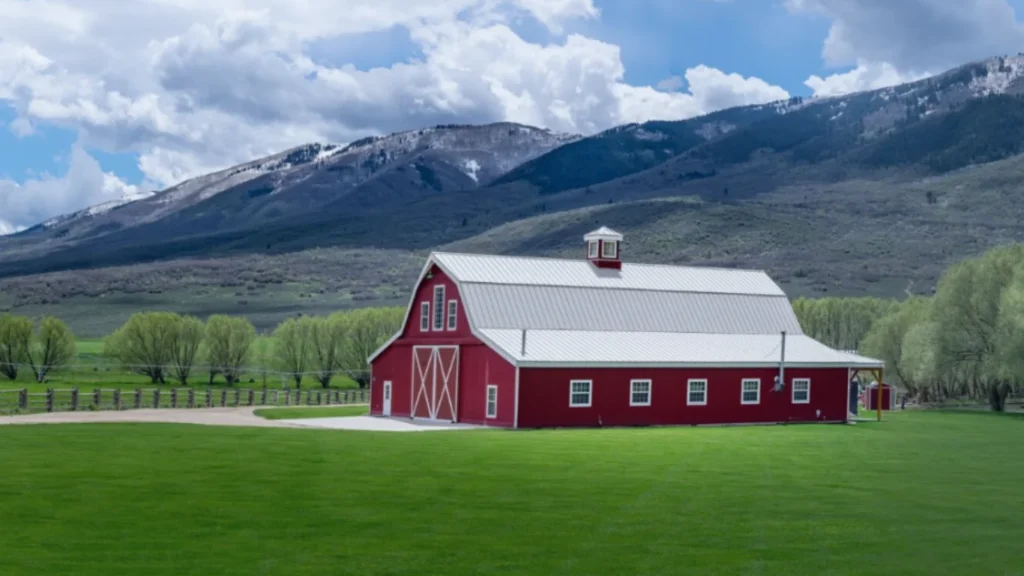
While some property owners attempt to manage construction independently, pole barn building involves technical precision. Post alignment, structural spacing, roof pitch calculations, and load distribution must all be accurate.
Small errors during installation can create long-term stability concerns. For instance, improper post depth or incorrect bracing may weaken the entire frame.
Professional guidance reduces these risks. Experienced builders understand regional weather demands, soil considerations, and proper installation sequencing. Their oversight ensures each stage, from layout to final fastening, is completed correctly.
Even if you oversee certain aspects yourself, consulting professionals during planning and structural phases strengthens the overall result. Collaboration enhances accuracy, efficiency, and long-term performance.
Final Thoughts
A successful pole barn construction project depends on informed preparation and careful execution. By thoroughly evaluating your site, complying with building regulations, investing in durable materials, designing for practical use, and seeking experienced guidance, you significantly reduce the risk of setbacks.
Each decision you make influences how well your structure performs over time. When you approach the process strategically rather than reactively, you protect your budget and create a building that withstands seasonal stress and daily use.
Avoiding these five common mistakes ensures your pole barn is stable, functional, and built to last for decades.