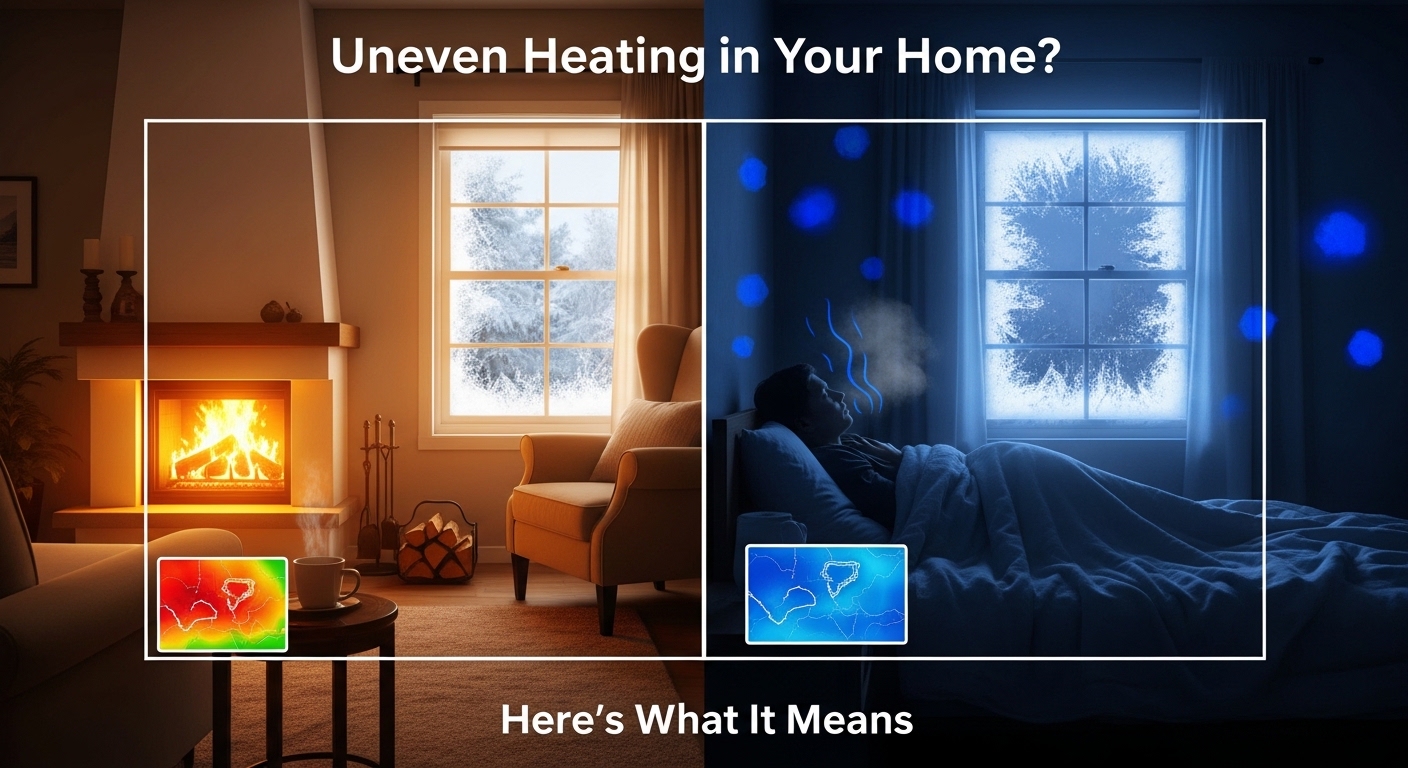
There’s nothing more frustrating than walking from one room in your home to another and feeling a drastic change in temperature. One space may feel perfectly warm, while another is noticeably colder. Uneven heating is a common issue, especially during colder months, and it’s often a sign that something isn’t working properly within your heating system.
Understanding what causes uneven heating can help you take the right steps before the problem gets worse. Professionals like T&T Heating frequently diagnose these issues and find that the root causes are often preventable or fixable with timely attention.
What Causes Uneven Heating?
Uneven heating doesn’t happen randomly—it usually points to a specific issue within your HVAC system or your home’s structure.
1. Airflow Problems
One of the most common causes is restricted airflow. This can happen when air filters are dirty, vents are blocked, or ductwork is obstructed. When air can’t circulate properly, some rooms receive less heat than others.
2. Leaky or Poorly Designed Ductwork
If your duct system has leaks or isn’t properly designed, warm air may escape before reaching certain areas of your home. This results in inconsistent temperatures and wasted energy.
3. Aging or Inefficient Furnace
Older furnaces often struggle to distribute heat evenly. As systems wear down, they lose efficiency and may not be able to keep up with heating demands across the entire home.
4. Thermostat Issues
Your thermostat plays a key role in regulating temperature. If it’s located in a warmer area of your home, it may signal the furnace to shut off before cooler rooms are adequately heated.
5. Insulation Gaps
Poor insulation allows heat to escape, especially in rooms located farther from the furnace. This can make certain areas consistently colder, even if your system is working properly.
Why Uneven Heating Matters
Uneven heating isn’t just a comfort issue—it can also impact your energy bills and the lifespan of your system. When your furnace works harder to compensate for cold spots, it uses more energy and experiences more wear and tear.
Over time, this can lead to:
- Higher monthly utility costs
- Increased strain on your furnace
- More frequent repairs
- Reduced overall system efficiency
Addressing the problem early can help you avoid these long-term issues.
What You Can Do About It
If you’re dealing with uneven heating, there are several steps you can take to improve the situation:
- Check and replace air filters regularly to ensure proper airflow
- Make sure vents and registers are open and unobstructed
- Inspect insulation, especially in attics and exterior walls
- Consider upgrading your thermostat for better temperature control
- Schedule a professional inspection to evaluate your system and ductwork
Experts at T&T Heating can identify the exact cause of uneven heating and recommend solutions tailored to your home. Whether it’s sealing ducts, repairing components, or improving airflow, professional help ensures the problem is fixed correctly.
When to Call a Professional
If uneven heating persists despite basic troubleshooting, it’s time to bring in an expert. Ongoing temperature differences often indicate deeper issues that require professional tools and experience to diagnose.
Ignoring the problem can lead to bigger repairs down the line, especially if your furnace is overworking to compensate.
Final Thoughts
Uneven heating is a clear sign that your home’s heating system needs attention. While some causes are simple to fix, others require professional evaluation. By addressing the issue early, you can restore comfort, improve efficiency, and extend the life of your furnace.
If your home isn’t heating evenly, don’t ignore it—getting it checked by a trusted provider like T&T Heating can make all the difference in keeping your home warm and comfortable throughout the season.