Water damage can turn a comfortable home into a stressful mess in just a few hours. One day everything feels normal, and the next you’re dealing with soaked floors, damaged walls, and that lingering worry about what comes next. It can take a toll on you (temporarily), but it can also be the start of something new. Once you handle the damage the right way, you get the chance to rebuild smarter, stronger, and even more beautifully than before. The key is taking the right steps in the right order, so your upgrades last and your home truly feels like home again.
This article will walk through exactly how to move from cleanup to upgrades in a practical and effective way.
Start With Safety and a Clear Plan
After water damage, it’s tempting to jump straight into repairs or replacements. But the first step should always focus on safety. Water can affect electrical systems, weaken flooring, and create slippery surfaces that make the home unsafe to walk through. Before doing anything else, take time to assess the situation carefully. If the damage looks serious, avoid entering certain areas until an expert confirms they are safe.
Once you know the space is secure, create a clear plan for what comes next. Think about the order of repairs, the timeline, and what parts of the home need the most attention first. A plan helps you stay calm and organized during a stressful time.
Hire Professionals to Remove Water Completely
Getting rid of standing water may seem simple at first, but water often sinks deeper than you can see. It can settle under floors, inside walls, and in insulation. That’s why professional help matters so much. Experts use industrial-grade pumps, drying equipment, and moisture detection tools that reach areas a homeowner can’t handle alone.
Flood damage restoration should always come before any home upgrades. If moisture stays trapped, it can lead to mold growth, unpleasant odors, and even structural damage over time. Professionals don’t just remove the water; they also make sure the home dries fully and safely. Once that process is complete, you can start rebuilding and improving your space with confidence, knowing the foundation is clean and stable.
Replace Flooring With Water-Resistant Options
Flooring often takes the hardest hit during water damage. Carpets soak up water quickly, and hardwood can warp or crack once it dries unevenly. When it’s time to replace floors, consider materials that handle moisture better and offer long-term durability.
Tile, vinyl plank, and sealed concrete are popular options for homes that want added protection. These materials resist water and are easier to clean if another accident happens. Upgrading flooring after water damage also gives you a chance to refresh the style of your home. With the right choice, you can improve both appearance and function at the same time.
Upgrade Walls and Paint With Moisture Control in Mind
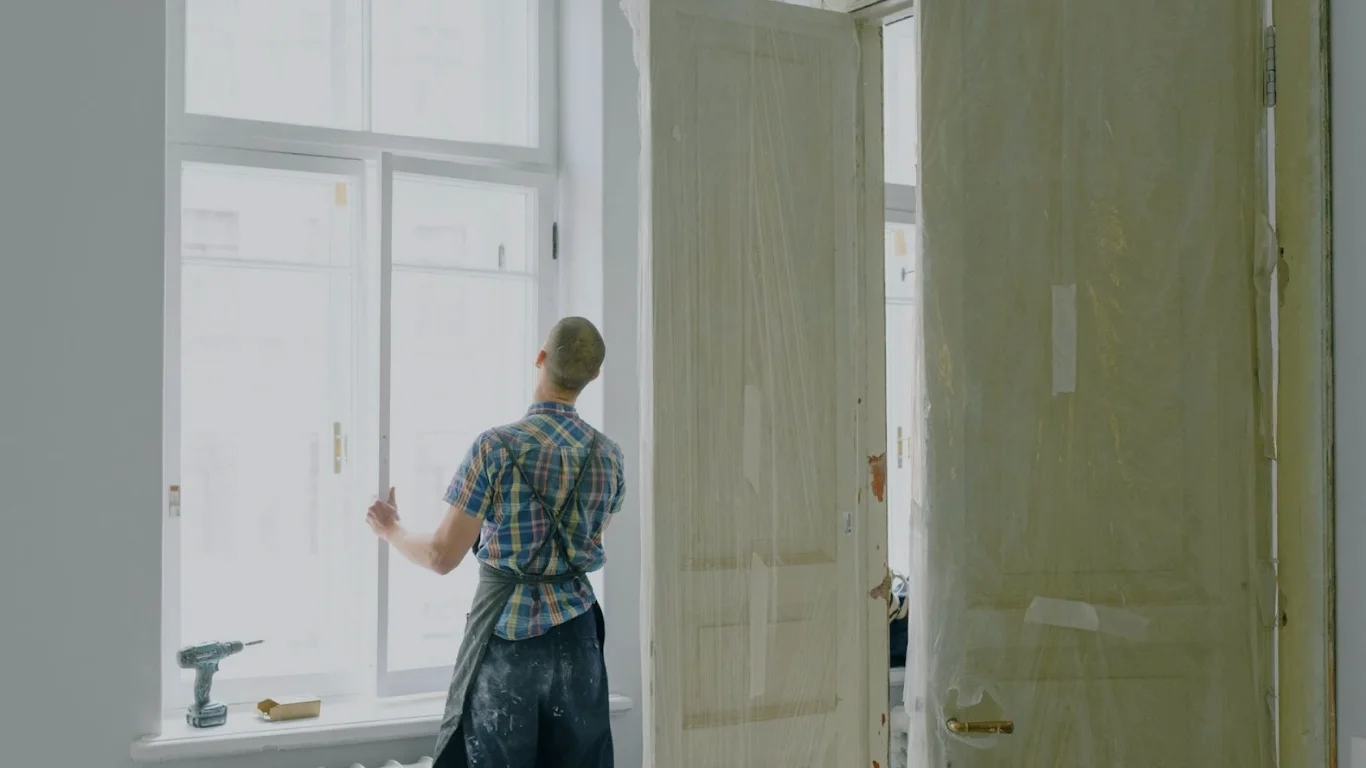
Walls may look fine on the surface, but water can weaken drywall and create the perfect environment for mold. Once damaged sections are removed and the space dries completely, you can upgrade with smarter materials.
Many homeowners choose mold-resistant drywall in areas that faced heavy moisture. High-quality paint with moisture control can also help protect your walls in the future. This step not only improves durability but also gives rooms a fresh, clean look after such a difficult experience. A new paint color can make the home feel brighter and more welcoming as you move forward.
Improve Ventilation to Prevent Future Problems
After water damage, airflow becomes more important than ever. Even once restoration professionals finish drying the space, your home still needs proper ventilation to stay healthy. Poor airflow can trap humidity, especially in bathrooms, kitchens, basements, and laundry rooms. Over time, that trapped moisture can create new problems.
Check your exhaust fans. Make sure they work efficiently and vent air outside instead of into an attic or crawl space. If your home feels damp or stuffy, consider adding a dehumidifier to control moisture levels. You may also want to have your HVAC system inspected to confirm it circulates air properly throughout the house.
Modernize Bathrooms and Kitchens During Repairs
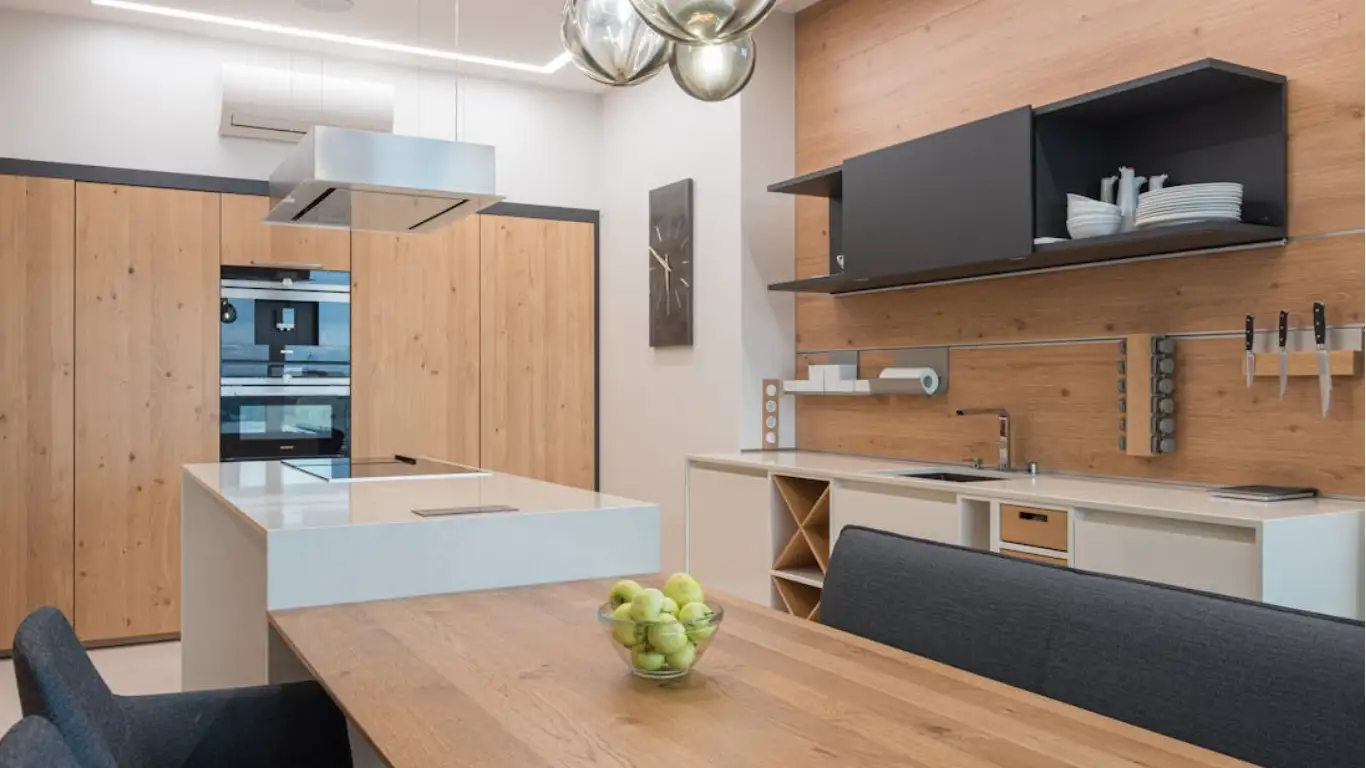
Water damage often hits bathrooms and kitchens first because these areas use water daily. If you already need to remove cabinets, flooring, or drywall, it may be the right time to upgrade the space instead of simply replacing what was there before.
New cabinets, updated countertops, and modern fixtures can improve both style and function. Consider installing water-efficient faucets or upgrading plumbing connections to reduce the risk of future leaks. In kitchens, you might choose materials that resist moisture better than older options. In bathrooms, better sealing around tubs and showers can prevent long-term damage. When you plan carefully, repairs can turn into meaningful improvements that raise both comfort and value.
Strengthen Your Home Against Future Flooding
Once you experience water damage, you’d want to reduce the chance of it happening again. Strengthening your home against future flooding can give you peace of mind. First, you need to understand how the water entered in the first place. Heavy rain, plumbing failures, and poor drainage are common causes.
You might install a sump pump if your home has a basement. Improving exterior drainage can also help. Make sure gutters and downspouts move water away from the foundation. Sealing cracks in the foundation and around windows adds another layer of protection. These upgrades may not feel as exciting as new flooring or paint, but they protect everything you just rebuilt. Prevention supports every other improvement you make.
Refresh Interior Design After the Restoration Work
After weeks of dealing with cleanup and repairs, many homeowners crave a fresh start. Once the serious work is done, you can focus on making the space feel welcoming again. Updating lighting can brighten rooms that once felt damaged or dull. Swapping outdated fixtures for modern designs can change the mood of a space quickly.
New furniture arrangements, updated window treatments, and thoughtful décor choices can also help. Choose colors and textures that make you feel calm and comfortable. Water damage can carry emotional weight, so creating a refreshed environment matters just as much as structural repairs.
Rebuilding after water damage is not just about fixing what broke. It’s about choosing what kind of home you want moving forward. Each decision you take now will shape the space you live in every day. With careful planning and steady progress, you can create a home that feels stronger, safer, and more aligned with your needs.
Sometimes the most difficult experiences push you to build something better than you imagined at the start.