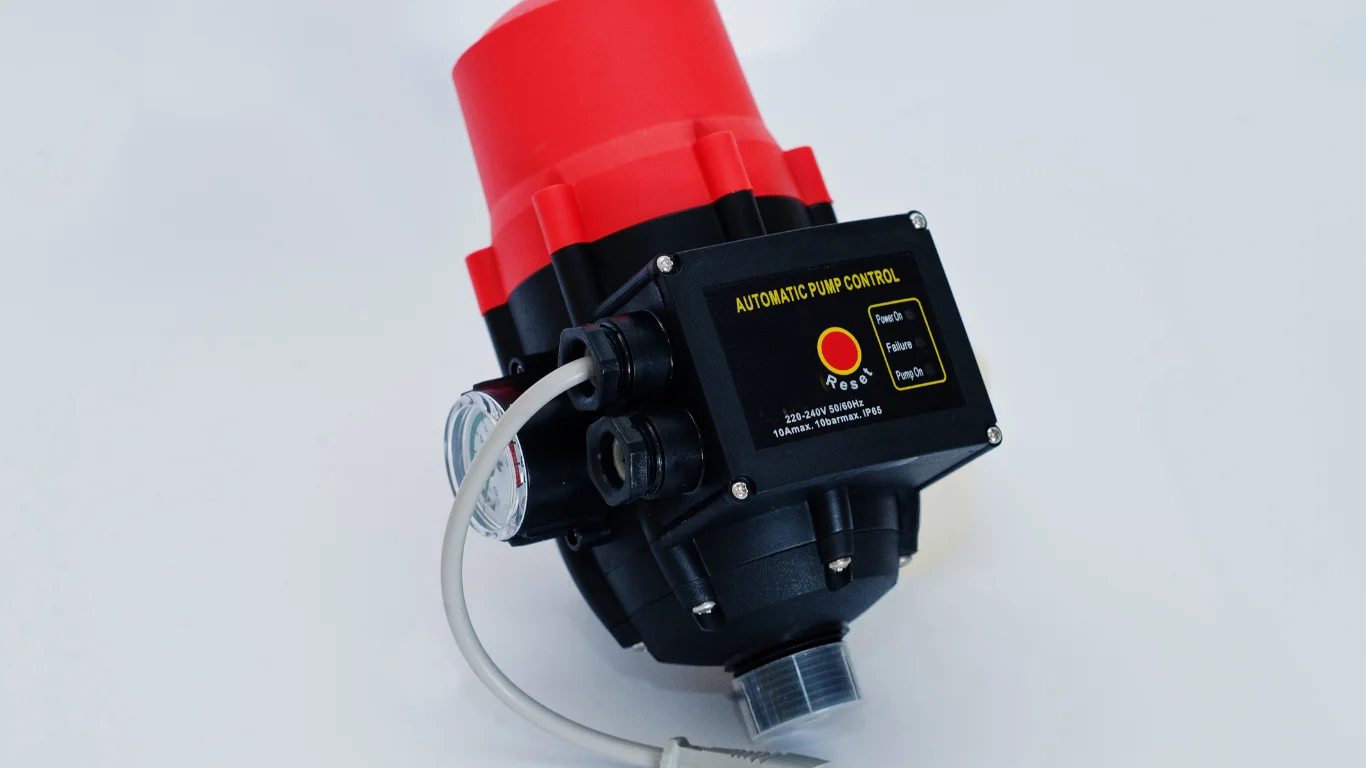
Moving diesel fuel around worksites, farms, or between storage tanks needs proper equipment. A 12v diesel transfer pump from TTi offers a practical solution that runs off standard vehicle batteries, making it portable and convenient for remote locations. These pumps typically deliver flow rates between 40 and 60 liters per minute depending on the model, which means you can fill a 200-liter tank in under five minutes. Industry safety data shows that using dedicated transfer pumps reduces fuel spillage incidents by approximately 78% compared to manual siphoning or gravity feed methods, plus they’re way less likely to introduce contamination.
How 12V DC Pumps Handle Diesel Transfer
These pumps use electric motors designed specifically for 12-volt DC operation, usually drawing between 8 and 15 amps depending on pump capacity and head pressure. The motor drives either a gear mechanism or a vane assembly that creates positive displacement, meaning they move a specific volume of fuel with each rotation. This gives you consistent flow rates regardless of minor changes in viscosity from temperature variations.
Most TTi models include built-in bypass valves to prevent over-pressurization and protect the motor if flow gets restricted. The pumps are self-priming up to about 2 meters of vertical lift, though performance drops off if you’re trying to pull from depths beyond that. Real-world testing by agricultural equipment journals shows these pumps maintain about 85% of their rated flow when lifting fuel 1.5 meters, dropping to roughly 65% at 2.5 meters.
Installation and Connection Best Practices
Setting up a 12V transfer pump isn’t complicated, but doing it right matters for safety and longevity. You want a solid mounting point that keeps the pump stable during operation, preferably lower than your fuel source if possible to reduce suction lift requirements. Intake hoses should be fuel-rated and sized properly, usually 19mm or 25mm depending on pump capacity.
On the electrical side, direct battery connection works fine for occasional use, but if you’re running the pump regularly, installing a proper switched circuit with appropriate fuses or circuit breakers is smart. A 15-amp inline fuse is typical for most models. Research from electrical safety organizations indicates that 34% of DC pump failures relate to poor electrical connections causing voltage drops or overheating, which is completely preventable with proper wiring practices.
Managing Flow Control and Preventing Spills
Most diesel transfer pumps move fuel faster than you’d expect, which is great for productivity but requires attention during filling operations. Automatic nozzles with shut-off mechanisms are basically essential unless you want to stand there watching the entire time. TTi systems often include these nozzles, which use either mechanical float valves or pressure-sensing designs to stop flow when tanks fill.
Static electricity buildup during fuel transfer is a real fire hazard that people tend to ignore. Bonding the pump, hose, and receiving container to a common ground helps dissipate static charges. According to petroleum safety standards, this is required practice for commercial fuel handling and makes just as much sense on worksites even if regulations are less strict there.
Maintenance That Actually Extends Pump Life
These pumps need surprisingly little maintenance if you treat them right, but ignoring the basics shortens their lifespan dramatically. Running them dry even briefly can trash seals and damage internal components. Periodic filter cleaning or replacement prevents debris from wearing pump internals and maintains flow rates.
Storage matters too. If the pump sits unused for extended periods with fuel inside, deposits can gum up the works. Running a small amount of clean diesel through before storage helps. Industry data suggests pumps that get basic seasonal maintenance typically last 6-8 years in regular farm or worksite use, compared to 2-3 years for neglected units.