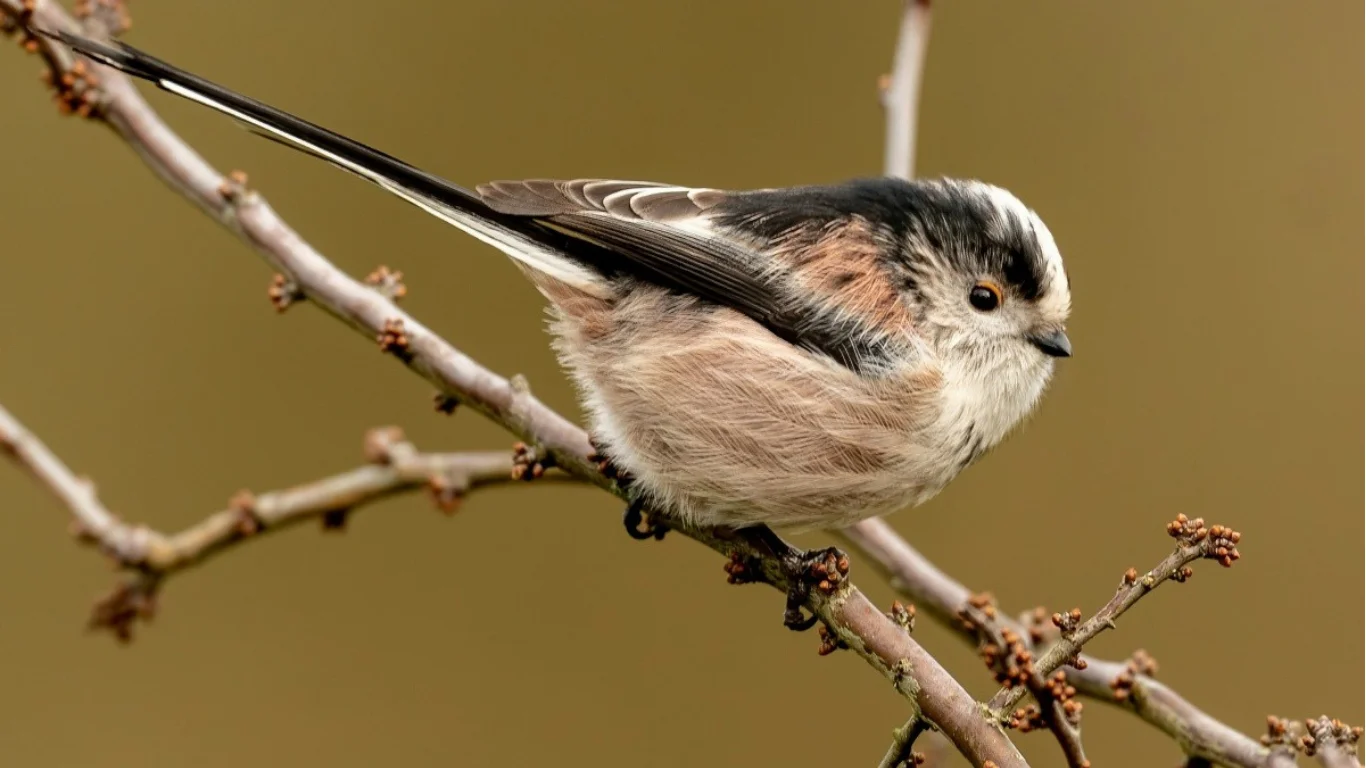
A thriving garden is more than a collection of beautiful plants. The most rewarding outdoor spaces are alive with movement—bees visiting flowers, butterflies drifting across beds, and birds pausing briefly among branches before continuing their daily routes.
Designing a garden that supports wildlife doesn’t require a large yard or complex landscaping. With a few thoughtful decisions, any gardener can create an environment that welcomes pollinators and birds while maintaining a healthy, vibrant landscape.
Why Wildlife-Friendly Gardens Matter
Wildlife-friendly gardening has gained attention in recent years as people recognize how important small green spaces are for biodiversity. Urban development and traditional landscaping often reduce natural habitats, leaving birds and pollinators with fewer safe places to feed and rest.
Backyard gardens can help bridge this gap.
Even a modest garden can provide essential resources such as nectar, shelter, and water. When multiple gardens in a neighborhood adopt similar practices, they form small ecological corridors that allow wildlife to move safely through suburban areas.
Gardeners who want to explore tools, habitat ideas, and bird-friendly resources often look to platforms such as kingsyard.com, which focus on supporting backyard wildlife through thoughtful garden features.
Start With Native Plants
Native plants are one of the most effective ways to attract both birds and pollinators. These plants evolved alongside local wildlife, meaning they provide food and habitat that native species recognize and rely on.
Some excellent native choices include:
- Coneflowers
- Black-eyed Susans
- Milkweed
- Asters
- Goldenrod
These plants supply nectar for butterflies and bees while also producing seeds that birds may rely on later in the season.
Another advantage of native plants is resilience. They typically require less water, fewer fertilizers, and minimal maintenance compared with non-native ornamental species.
Add Layers to Your Garden
Wildlife-friendly gardens often mimic natural environments. Instead of a single layer of plants, they include several levels:
- Ground layer: flowers and low-growing plants
- Mid layer: shrubs that provide cover
- Upper layer: small trees or taller plants for perching
Birds feel safer when they can move between these layers quickly. Pollinators also benefit from diverse plant heights that offer nectar at different levels.
This layered structure makes a garden feel fuller and more dynamic while improving habitat quality.
Provide a Reliable Water Source
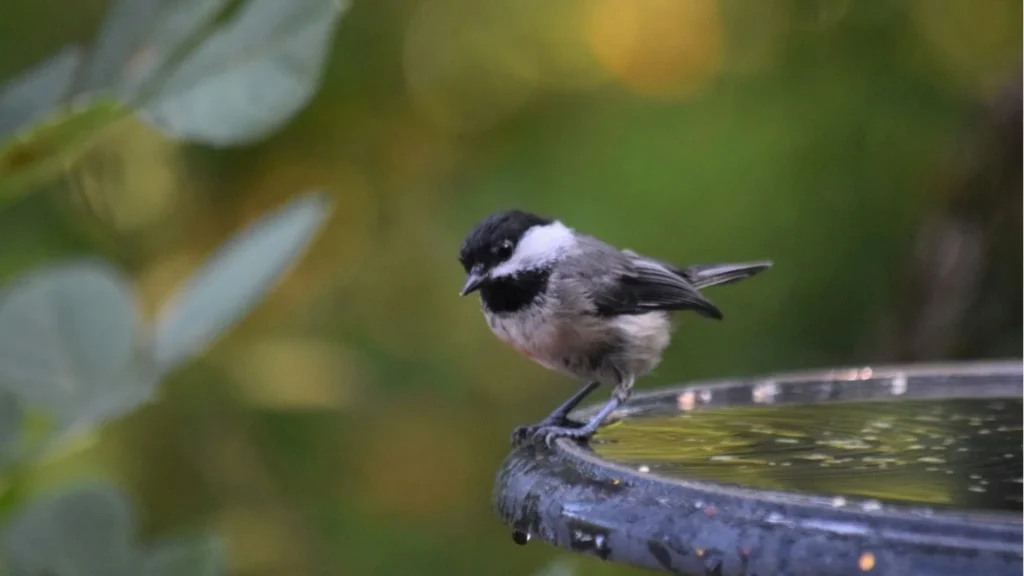
Water is essential for both birds and insects. A shallow birdbath or simple water dish can make a big difference in attracting wildlife.
When adding water features, consider these tips:
- Keep water shallow and accessible
- Add small stones so butterflies can land safely
- Change water regularly to keep it clean
- Place the water source near plants that offer cover
A Garden That Supports Life
Creating a wildlife-friendly garden doesn’t require perfection. In fact, the most successful gardens often embrace a bit of natural disorder. When plants are allowed to grow naturally and wildlife feels welcome, the garden becomes a living ecosystem rather than a static display.
Over time, gardeners often notice that birds return more frequently, pollinator activity increases, and the garden develops its own seasonal rhythm.
By planting thoughtfully, providing water, and supporting birds responsibly, any gardener can transform their outdoor space into a vibrant habitat that benefits both wildlife and people.