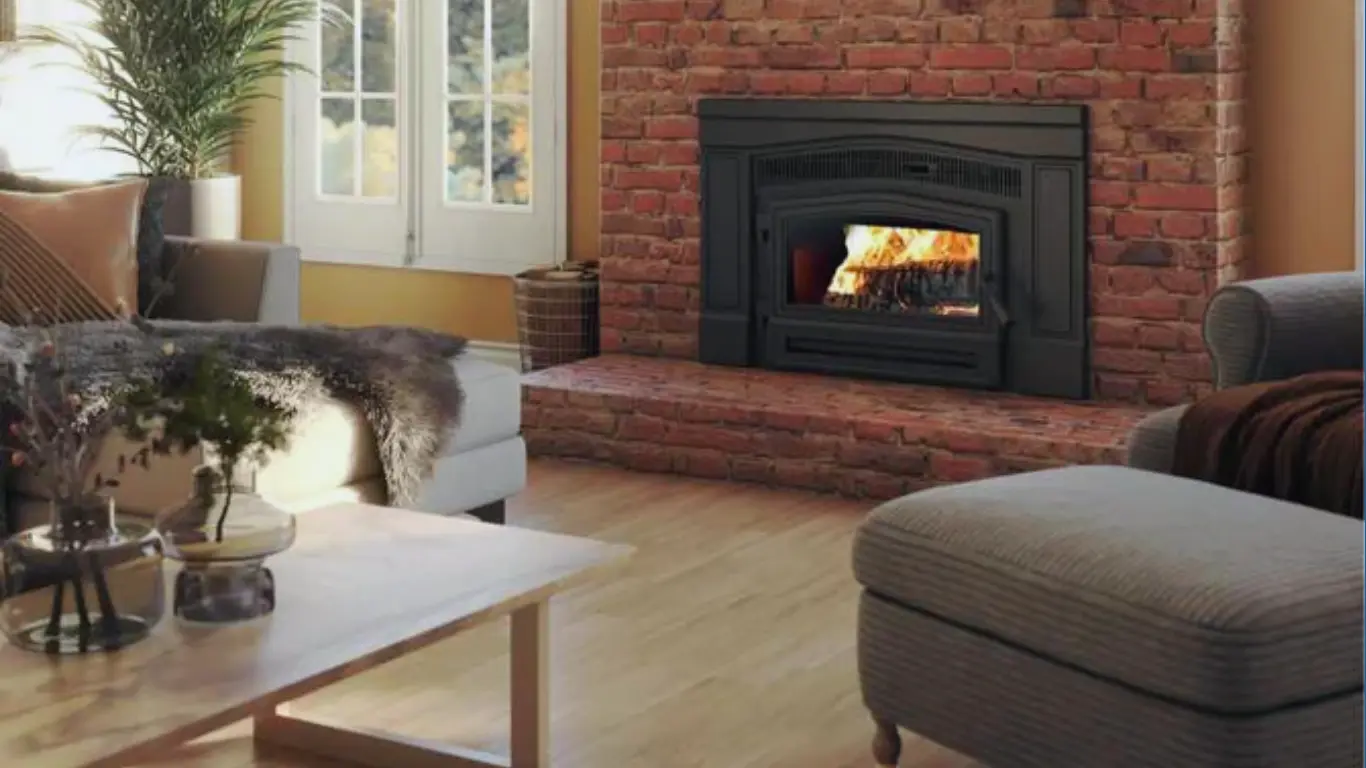
In an age where you can control your home’s temperature from your phone, even when you’re miles away, there’s something wonderfully classic about a traditional fireplace. We live in a world filled with convenience, instant heat, instant light, and instant entertainment. While modern HVAC systems do an amazing job of keeping us cozy, they just can’t replicate the unique charm of a real, crackling fire. Perhaps that’s why wood-burning fireplaces are making a significant comeback in contemporary American homes.
When you walk into a room illuminated by natural flames, you can feel a distinct shift. Your shoulders drop, and conversations take on a slower, more relaxed pace. The gentle crackle of burning wood and the warm glow of the fire create a sense of comfort that no hidden vent or thermostat can replicate. A fireplace doesn’t just heat a room; it transforms the entire atmosphere. If you’re considering adding some depth, character, and genuine warmth to your home, it’s clear why wood-burning fireplaces remain a timeless choice.
1. The Sensory Experience: Why “Fake” Doesn’t Cut It
We’ve all seen the electric inserts with LED “flames” and the gas logs that turn on with a remote. They are convenient, sure. But they are to a real fire what a postcard is to a vacation: a flat representation of the real thing. A true hearth is a multisensory experience that engages us in ways technology cannot mimic.
The Crackle and the Pop
A real wood fire is a living thing. It has a soundtrack. The rhythmic snapping of seasoned oak or the gentle hiss of maple as it releases its remaining moisture creates a natural white noise. This “soundscape” is more than just pleasant; it is meditative. In a modern home filled with the hum of refrigerators and the constant ping of notifications, the organic sound of a wood fire is a necessary mental reset.
The Living Aroma
While “pine-scented” candles try their best, they can’t compete with the authentic, earthy aroma of a real wood-burning hearth. That faint, pleasant scent of woodsmoke is a powerful nostalgia trigger, evoking memories of chilly autumn evenings, holiday gatherings, and quiet nights tucked away from the busy world outside.
The Visual Depth
Gas flames are uniform and, frankly, a bit predictable. A wood fire is dynamic. It changes every minute. You have the bright, aggressive yellow flames of the initial burn, transitioning into the deep, pulsing orange of the charcoal phase, and finally the soft, glowing embers of the late evening. It provides a focal point that encourages “fire gazing,” a form of relaxation that helps clear the mental clutter of a long workday.
2. Beyond Aesthetics: The Practicality of Independence
Beyond the “vibes,” there is a very practical, rugged reason to opt for a traditional fireplace: energy independence.
Modern American homes are increasingly reliant on a complex and sometimes fragile electrical grid. When a winter storm rolls through and the power lines go down, a high-tech smart home can become a walk-in freezer in a matter of hours. This is where the wood-burning hearth proves its worth as a piece of vital infrastructure rather than just a decoration.
A fireplace doesn’t need a Wi-Fi connection, a circuit board, or a gas line to function. As long as you have a stack of dry wood, you have a reliable source of heat and light. In emergency situations, a well-designed hearth can keep the core of your home habitable, providing peace of mind that no furnace can offer. It’s the ultimate “plan B” that looks and feels like a “plan A.”
3. The Environmental Argument: A Renewable Cycle
There is a common misconception that wood burning is “old-fashioned” in an environmentally conscious world. However, the reality is far more sustainable than many realize. When you use modern, EPA-certified wood-burning fireplaces, you are participating in a carbon-neutral energy cycle.
Unlike fossil fuels (natural gas, oil, or coal), which release carbon that has been trapped underground for millions of years, wood is a renewable resource. A tree absorbs carbon dioxide as it grows. When that tree eventually dies and decays in the forest, it releases that carbon back into the atmosphere. Burning that wood for heat simply borrows that energy, meaning you aren’t adding “new” carbon to the environment in the way that burning gas does.
Furthermore, sourcing firewood is often a local endeavor. Most firewood is harvested within a small radius of where it’s burned, significantly reducing the “energy miles” and carbon footprint associated with transporting fuel across oceans or continents.
4. Designing the Modern Hearth: Form Meets Function
One reason homeowners used to shy away from wood was the “mess” or the “outdated look.” But modern engineering and interior design have completely changed the game. Today’s fireplaces are sleek, efficient, and architecturally stunning.
Sleek Minimalist Inserts
If your home leans toward “Scandi-chic” or modern industrial, you can find wood-burning inserts with massive glass viewing windows and minimal steel frames. These units offer a “flush” look that integrates seamlessly into a marble, stone, or concrete wall. You get all the tradition of wood with the clean lines of 21st-century design.
High-Efficiency Burners
Old-fashioned fireplaces used to lose about 90% of their heat up the chimney. Modern units are designed with “re-burn” technology (secondary combustion). They circulate the smoke back into the flame to burn off gases and particulates, which means more heat stays in your room and less smoke goes out the flue. You get more “warmth per log” than ever before, making it a highly efficient way to zone-heat your primary living space.
5. The Heart of the Home: Social and Psychological Benefits
In the age of the “open concept” floor plan, rooms can sometimes feel cavernous and disconnected. A fireplace acts as a natural anchor. It defines a space and gives it a purpose.
Think about the last time you had friends over. Where did everyone congregate? It’s rarely the kitchen island for the whole night; people naturally drift toward the hearth. A fire creates a “circle of warmth” that encourages face-to-face conversation. It’s much harder to stay buried in a smartphone when you have the mesmerizing movement of a fire to look at. It turns a house, structure of wood and drywall into a home.
From a psychological standpoint, the act of tending to a fire is a form of “slow living.” In a life spent clicking buttons and swiping screens, there is a deep satisfaction in the physical act of building a fire. The process of selecting the right logs and nurturing a spark into a roar provides a sense of accomplishment and a tactile connection to the physical world.
6. Boosting Your Home’s Value
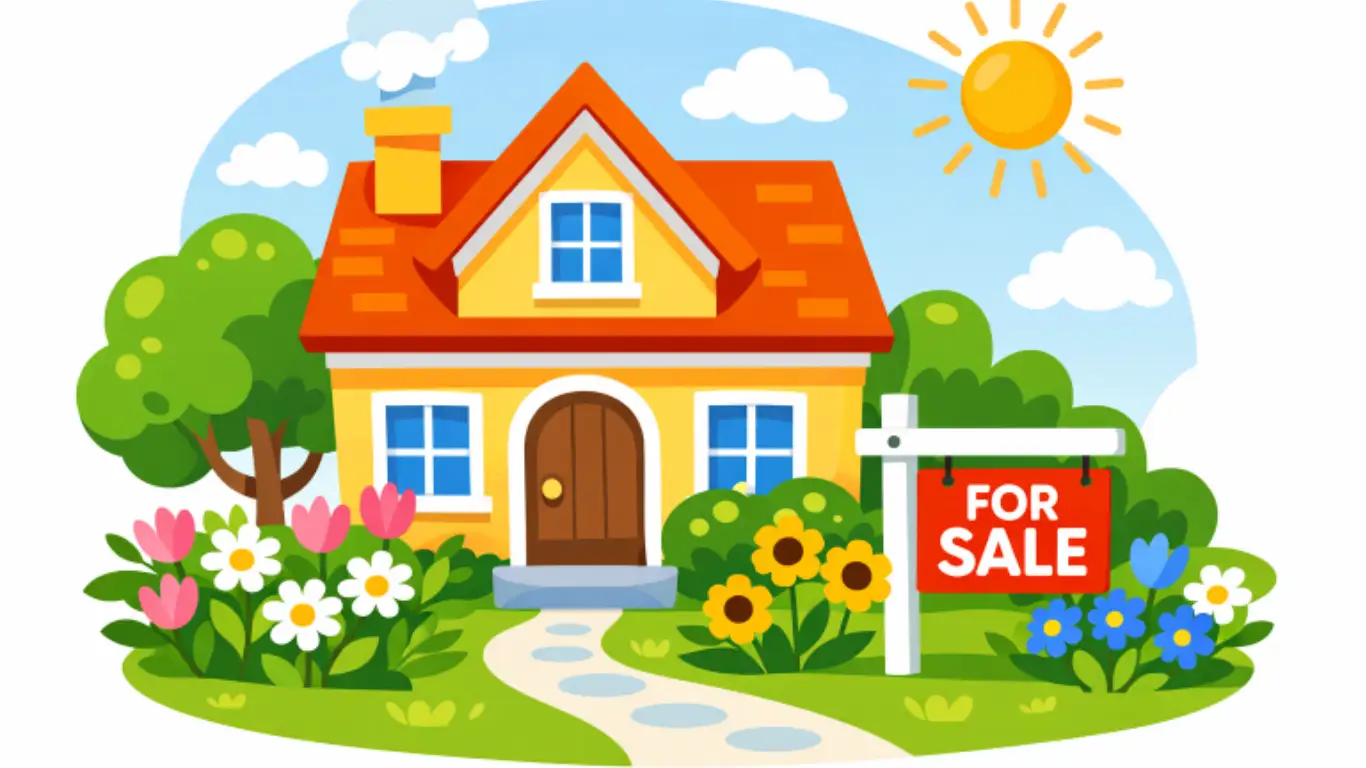
Purely from a money angle, a solid fireplace install is smart investing. Realtors always say fireplaces top the list of what buyers crave. It delivers that instant “wow” at open houses, making your place feel upscale and welcoming right off the bat. Forget it being just a heater; it’s a lasting boost to your home’s vibe that pays off big when you sell.
Conclusion
An indoor wood-burning fireplace is one of the few home improvements that offers a return on investment in three different ways: it increases the resale value of your property, it provides a functional backup for emergencies, and it drastically improves your daily quality of life. Modern life? It’s all noise, speed, and feeling miles apart from what matters. Enter the wood fire, your ultimate reset button. It pulls you in to unwind, connect with the people you love, and bask in that pure, heartfelt warmth nature delivers like nothing else. Ditch the fake digital flicker; go for the authentic crackle.
Want to make your living room the coziest haven ever? Time to level up with a showstopper that’s equal parts hardworking and head-turning. Dive into the latest hearth tech, rustic stone charm or sleek contemporary insert, whatever fits your style. Your perfect fireplace is ready to claim.
In an age where you can control your home’s temperature from your phone, even when you’re miles away, there’s something wonderfully classic about a traditional fireplace. We live in a world filled with convenience, instant heat, instant light, and instant entertainment. While modern HVAC systems do an amazing job of keeping us cozy, they just can’t replicate the unique charm of a real, crackling fire. Perhaps that’s why wood-burning fireplaces are making a significant comeback in contemporary American homes.
When you walk into a room illuminated by natural flames, you can feel a distinct shift. Your shoulders drop, and conversations take on a slower, more relaxed pace. The gentle crackle of burning wood and the warm glow of the fire create a sense of comfort that no hidden vent or thermostat can replicate. A fireplace doesn’t just heat a room; it transforms the entire atmosphere. If you’re considering adding some depth, character, and genuine warmth to your home, it’s clear why wood-burning fireplaces remain a timeless choice.
1. The Sensory Experience: Why “Fake” Doesn’t Cut It
We’ve all seen the electric inserts with LED “flames” and the gas logs that turn on with a remote. They are convenient, sure. But they are to a real fire what a postcard is to a vacation: a flat representation of the real thing. A true hearth is a multisensory experience that engages us in ways technology cannot mimic.
The Crackle and the Pop
A real wood fire is a living thing. It has a soundtrack. The rhythmic snapping of seasoned oak or the gentle hiss of maple as it releases its remaining moisture creates a natural white noise. This “soundscape” is more than just pleasant; it is meditative. In a modern home filled with the hum of refrigerators and the constant ping of notifications, the organic sound of a wood fire is a necessary mental reset.
The Living Aroma
While “pine-scented” candles try their best, they can’t compete with the authentic, earthy aroma of a real wood-burning hearth. That faint, pleasant scent of woodsmoke is a powerful nostalgia trigger, evoking memories of chilly autumn evenings, holiday gatherings, and quiet nights tucked away from the busy world outside.
The Visual Depth
Gas flames are uniform and, frankly, a bit predictable. A wood fire is dynamic. It changes every minute. You have the bright, aggressive yellow flames of the initial burn, transitioning into the deep, pulsing orange of the charcoal phase, and finally the soft, glowing embers of the late evening. It provides a focal point that encourages “fire gazing,” a form of relaxation that helps clear the mental clutter of a long workday.
2. Beyond Aesthetics: The Practicality of Independence
Beyond the “vibes,” there is a very practical, rugged reason to opt for a traditional fireplace: energy independence.
Modern American homes are increasingly reliant on a complex and sometimes fragile electrical grid. When a winter storm rolls through and the power lines go down, a high-tech smart home can become a walk-in freezer in a matter of hours. This is where the wood-burning hearth proves its worth as a piece of vital infrastructure rather than just a decoration.
A fireplace doesn’t need a Wi-Fi connection, a circuit board, or a gas line to function. As long as you have a stack of dry wood, you have a reliable source of heat and light. In emergency situations, a well-designed hearth can keep the core of your home habitable, providing peace of mind that no furnace can offer. It’s the ultimate “plan B” that looks and feels like a “plan A.”
3. The Environmental Argument: A Renewable Cycle
There is a common misconception that wood burning is “old-fashioned” in an environmentally conscious world. However, the reality is far more sustainable than many realize. When you use modern, EPA-certified wood-burning fireplaces, you are participating in a carbon-neutral energy cycle.
Unlike fossil fuels (natural gas, oil, or coal), which release carbon that has been trapped underground for millions of years, wood is a renewable resource. A tree absorbs carbon dioxide as it grows. When that tree eventually dies and decays in the forest, it releases that carbon back into the atmosphere. Burning that wood for heat simply borrows that energy, meaning you aren’t adding “new” carbon to the environment in the way that burning gas does.
Furthermore, sourcing firewood is often a local endeavor. Most firewood is harvested within a small radius of where it’s burned, significantly reducing the “energy miles” and carbon footprint associated with transporting fuel across oceans or continents.
4. Designing the Modern Hearth: Form Meets Function
One reason homeowners used to shy away from wood was the “mess” or the “outdated look.” But modern engineering and interior design have completely changed the game. Today’s fireplaces are sleek, efficient, and architecturally stunning.
Sleek Minimalist Inserts
If your home leans toward “Scandi-chic” or modern industrial, you can find wood-burning inserts with massive glass viewing windows and minimal steel frames. These units offer a “flush” look that integrates seamlessly into a marble, stone, or concrete wall. You get all the tradition of wood with the clean lines of 21st-century design.
High-Efficiency Burners
Old-fashioned fireplaces used to lose about 90% of their heat up the chimney. Modern units are designed with “re-burn” technology (secondary combustion). They circulate the smoke back into the flame to burn off gases and particulates, which means more heat stays in your room and less smoke goes out the flue. You get more “warmth per log” than ever before, making it a highly efficient way to zone-heat your primary living space.
5. The Heart of the Home: Social and Psychological Benefits
In the age of the “open concept” floor plan, rooms can sometimes feel cavernous and disconnected. A fireplace acts as a natural anchor. It defines a space and gives it a purpose.
Think about the last time you had friends over. Where did everyone congregate? It’s rarely the kitchen island for the whole night; people naturally drift toward the hearth. A fire creates a “circle of warmth” that encourages face-to-face conversation. It’s much harder to stay buried in a smartphone when you have the mesmerizing movement of a fire to look at. It turns a house, structure of wood and drywall into a home.
From a psychological standpoint, the act of tending to a fire is a form of “slow living.” In a life spent clicking buttons and swiping screens, there is a deep satisfaction in the physical act of building a fire. The process of selecting the right logs and nurturing a spark into a roar provides a sense of accomplishment and a tactile connection to the physical world.
6. Boosting Your Home’s Value
Purely from a money angle, a solid fireplace install is smart investing. Realtors always say fireplaces top the list of what buyers crave. It delivers that instant “wow” at open houses, making your place feel upscale and welcoming right off the bat. Forget it being just a heater; it’s a lasting boost to your home’s vibe that pays off big when you sell.
Conclusion
An indoor wood-burning fireplace is one of the few home improvements that offers a return on investment in three different ways: it increases the resale value of your property, it provides a functional backup for emergencies, and it drastically improves your daily quality of life. Modern life? It’s all noise, speed, and feeling miles apart from what matters. Enter the wood fire, your ultimate reset button. It pulls you in to unwind, connect with the people you love, and bask in that pure, heartfelt warmth nature delivers like nothing else. Ditch the fake digital flicker; go for the authentic crackle.
Want to make your living room the coziest haven ever? Time to level up with a showstopper that’s equal parts hardworking and head-turning. Dive into the latest hearth tech, rustic stone charm or sleek contemporary insert, whatever fits your style. Your perfect fireplace is ready to claim.