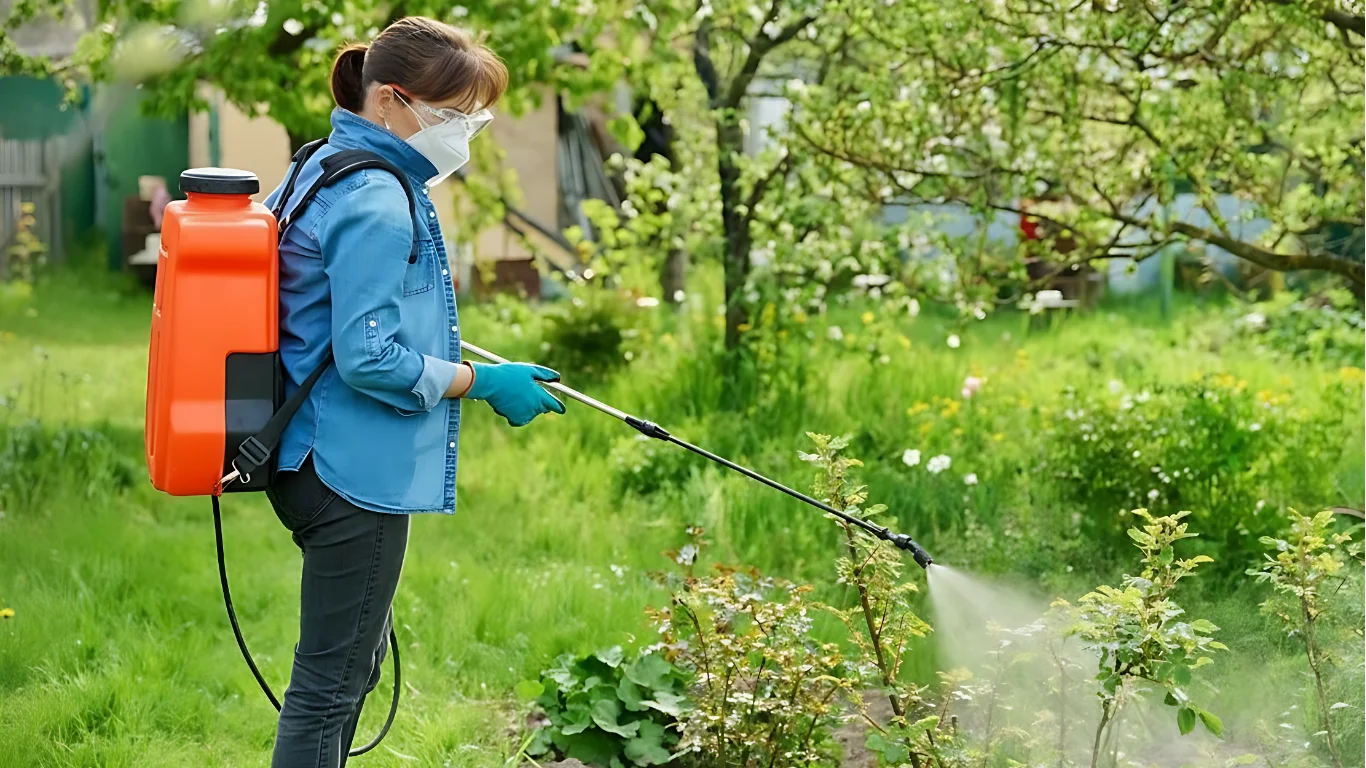
Homeowners and businesses begin to face a familiar seasonal shift—an increase in pest activity. Rather than waiting for visible signs of a problem, taking a preventative approach is far more effective. A spring pest control inspection helps uncover early warning signs, address potential entry points, and reduce the risk of infestations before they take hold.
Spring is a key transition period when many pests re-emerge after months of limited outdoor movement. As conditions improve, they begin searching for food sources and nesting areas. Without proper inspection and preparation, this increase in activity can quickly escalate into larger infestations that are more difficult and expensive to control later in the season.
Spring Marks the Beginning of Increased Pest Activity
Ontario’s changing climate during spring creates ideal conditions for pests to emerge, reproduce, and expand their presence. As snow melts and temperatures stabilize, insects and rodents begin searching for food, water, and nesting sites.
Common spring pests include:
- Ants establishing new colonies
- Rodents expanding nests after winter survival
- Spiders becoming more visible indoors
- Wasps beginning to build nests
- Overwintering insects reactivating inside structures
These pests are often already present in small numbers before becoming noticeable. A spring inspection helps identify these early signs before populations grow.
“Spring is when pest activity begins to accelerate, but most infestations actually start developing earlier than people realize,” explains the team at spring pest control inspection in Ontario provided by We Clean Pros. “Catching these issues early is the key to preventing larger problems later in the season.”
Early Detection Prevents Larger Infestations
One of the biggest advantages of a spring pest control inspection is early detection. Identifying pest activity at its earliest stage allows for targeted treatment before populations have a chance to grow.
Many pests reproduce quickly once conditions become favourable. For example, ants can establish large colonies in a short period, while rodents can produce multiple litters throughout the year. Without early intervention, these populations can expand rapidly.
Professional inspections focus on identifying subtle signs of activity, including:
- Small entry points and structural gaps
- Early nesting behaviour
- Droppings or residue in hidden areas
- Moisture issues that attract pests
By addressing these indicators early, property owners can avoid more extensive infestations that require more intensive treatment.
Identifying Vulnerabilities Around the Property
Winter can take a toll on homes and buildings, often creating new entry points for pests. Freeze-thaw cycles, moisture buildup, and general wear can lead to cracks, gaps, and structural weaknesses.
A spring pest control inspection evaluates these vulnerabilities, helping to prevent pests from entering the property in the first place. Key areas of focus include:
- Foundation cracks and exterior gaps
- Rooflines, soffits, and attic vents
- Door and window seals
- Utility entry points for pipes and wiring
Sealing these entry points is one of the most effective ways to reduce the risk of infestation. Prevention at this stage can significantly limit pest activity throughout the year.
“A thorough inspection is about more than identifying current activity—it’s about understanding where problems could start,” says We Clean Pros, known for their professional pest control services in Ontario. “Addressing vulnerabilities early creates a strong line of defence before pest season reaches its peak.”
Protecting Indoor and Outdoor Spaces
Spring pest control inspections consider both indoor and outdoor environments. Many infestations begin outside before making their way indoors, making it important to assess the entire property.
Outdoor factors that can contribute to pest activity include:
- Accumulated debris or organic material
- Standing water and drainage issues
- Landscaping features close to the structure
- Woodpiles or storage areas near entry points
Inside the property, inspections focus on areas where pests are most likely to establish themselves, such as basements, kitchens, and storage spaces. By evaluating both environments, professional services provide a comprehensive approach to pest prevention.
Reducing Health and Safety Risks
Pests can pose a variety of health and safety risks, especially as their activity increases in the spring. Rodents can carry bacteria, while insects like cockroaches can contribute to poor indoor air quality and trigger allergies.
In addition to health concerns, certain pests can create physical hazards. For example, wasps building nests near entrances can pose a risk to anyone entering or leaving the property.
By conducting a spring inspection, these risks can be identified and addressed before they impact occupants. This is particularly important for businesses, where maintaining a safe and sanitary environment is essential for both employees and customers.
Saving Time and Reducing Long-Term Costs
Addressing pest issues early is always more cost-effective than dealing with a full-scale infestation. Once pests have established themselves, treatment often becomes more complex and may require multiple interventions.
A spring pest control inspection allows property owners to take a proactive approach, reducing the likelihood of unexpected expenses later in the year. Preventative measures are typically less invasive, more targeted, and more efficient.
“Prevention is always more efficient than reaction,” notes We Clean Pros. “A spring inspection helps property owners stay ahead of pest activity rather than dealing with the consequences after the fact.”
Supporting Year-Round Pest Control Strategies
Pest control should not be viewed as a one-time service. Instead, it is most effective when approached as part of a year-round strategy. Spring inspections serve as a critical starting point, setting the foundation for ongoing monitoring and maintenance.
By identifying risks early and implementing preventative measures, property owners can maintain consistent protection throughout the year. This reduces the likelihood of seasonal spikes in pest activity and helps create a more stable environment.
Why Spring Is the Right Time to Act in Ontario
Ontario’s climate creates a narrow window of opportunity for effective pest prevention. Acting in early spring ensures that properties are prepared before pest populations reach their peak.
Delaying action until later in the season often means dealing with more advanced infestations. A proactive approach during spring allows for better control, improved outcomes, and greater peace of mind.
Conclusion
A spring pest control inspection in Ontario is one of the most important steps property owners can take to protect their homes and businesses. By identifying early signs of activity, addressing structural vulnerabilities, and implementing preventative measures, it is possible to stop infestations before they begin.
With the guidance of experienced professionals like We Clean Pros, property owners can confidently prepare for pest season and maintain a safe, healthy environment throughout the year.
Taking action in the spring isn’t just about convenience—it’s about prevention, protection, and long-term peace of mind.