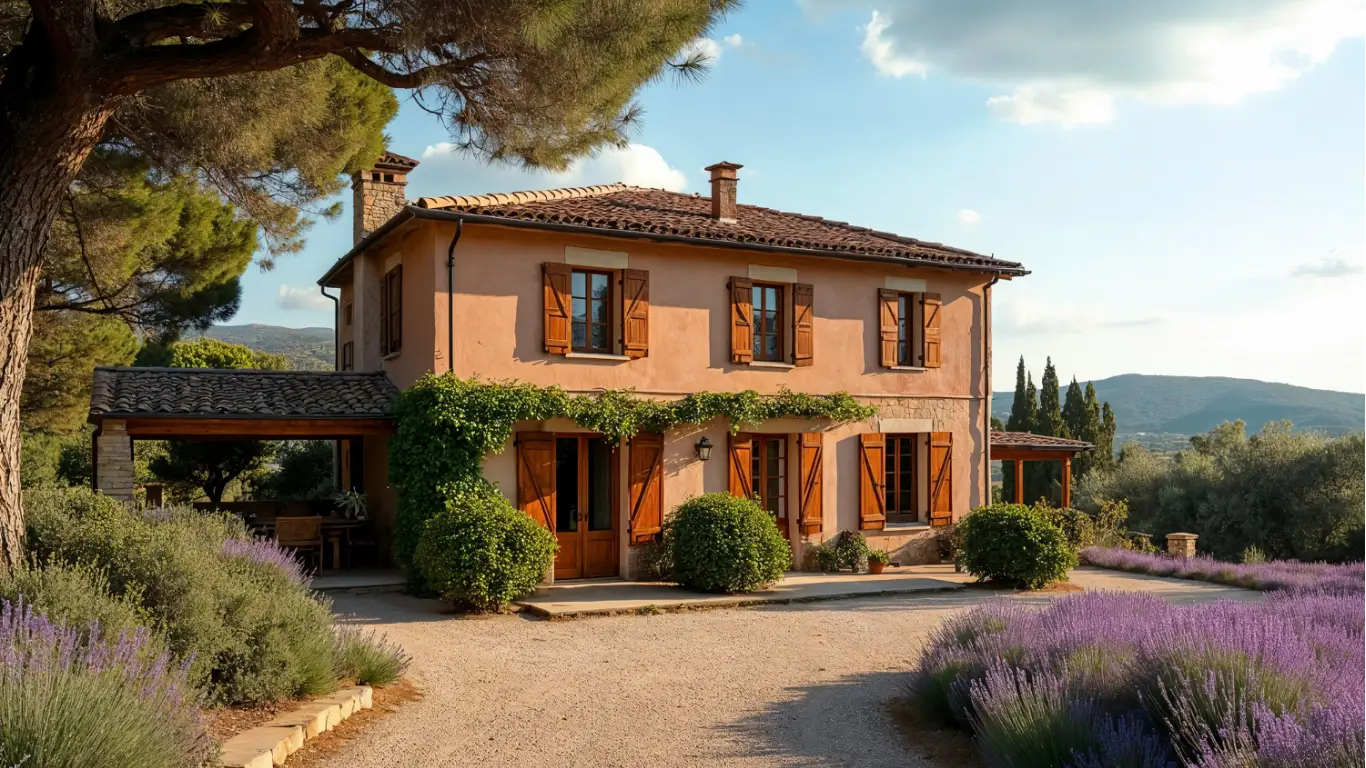
A 2000s Tuscan house combines luxury, warmth, and Mediterranean-inspired design into one recognizable home style. Many homeowners across the United States embraced this trend because it created large, elegant homes with rich textures, earthy colors, and comfortable family spaces. The style became especially popular in suburban neighborhoods where builders focused on grand entrances, open layouts and upscale finishes.
The appeal of a tuscan 2000s house comes from its balance between classic European inspiration and practical American living. These homes often include spacious kitchens, dramatic living rooms, arched hallways and decorative stone or stucco exteriors. Homeowners still appreciate the style because it feels warm and welcoming rather than cold or minimal.
A tuscan house interior 2000s design usually focuses on comfort, family gatherings, and visual richness. Dark wood cabinets, textured walls, wrought iron details, and earthy tile flooring helped define the look. Even today, many people renovate these homes instead of replacing the entire style because the layout and structure remain highly functional for modern families.
What Is a 2000s Tuscan House?
A 2000s Tuscan house is a residential design style inspired by traditional homes found in the Tuscan countryside of Italy. Builders in the United States adapted the style during the early 2000s and combined Mediterranean influences with large suburban floor plans. The result created homes that felt luxurious, dramatic, and family-oriented.
Most homes in this category feature oversized layouts with strong architectural details. Builders used high ceilings, curved doorways, textured stucco walls, and decorative finishes to create an upscale appearance. Many developments in warmer regions adopted this style because the earthy exterior colors blended naturally with sunny environments.
The style became associated with comfort and wealth during the housing expansion of the early 2000s. Buyers wanted homes that looked elegant but still felt practical for large families and entertaining guests. A tuscan 2000s house delivered both visual impact and functional living spaces.
Many homeowners today continue to appreciate these homes because they offer generous square footage and timeless architectural structure. While some interior finishes may feel dated, the overall design still supports modern upgrades and renovations without losing its character.
Origins of the 2000s Tuscan House
The roots of the 2000s Tuscan house trace back to traditional Mediterranean villas and countryside estates. Designers borrowed ideas from old Tuscan architecture, including textured materials, earthy color palettes, and natural stone details. American builders then reshaped those ideas into larger suburban homes designed for modern lifestyles.
During the late 1990s and early 2000s, homebuyers increasingly preferred luxury-inspired homes with dramatic visual elements. Television design shows and upscale residential communities helped push Tuscan-style homes into mainstream popularity. Developers responded by building entire neighborhoods featuring Mediterranean and Tuscan-inspired architecture.
The growing demand for open-concept living also helped the style succeed. Families wanted homes with connected kitchens, dining spaces, and entertainment areas. The Tuscan layout supported that trend while still maintaining a sense of elegance and privacy.
Economic growth during the housing boom allowed more buyers to purchase larger homes with premium finishes. As a result, the 2000s Tuscan house became a symbol of upscale suburban living across many parts of the United States.
People also read Kolna Corner Fridge for your smart House
Exterior Design of Tuscan 2000s House
The exterior design of a tuscan 2000s house focuses heavily on texture, warmth, and architectural depth. Builders often used stucco walls in shades of tan, cream, beige, or terracotta to create a sun-aged Mediterranean appearance. Stone accents around entryways and windows added extra character and visual contrast.
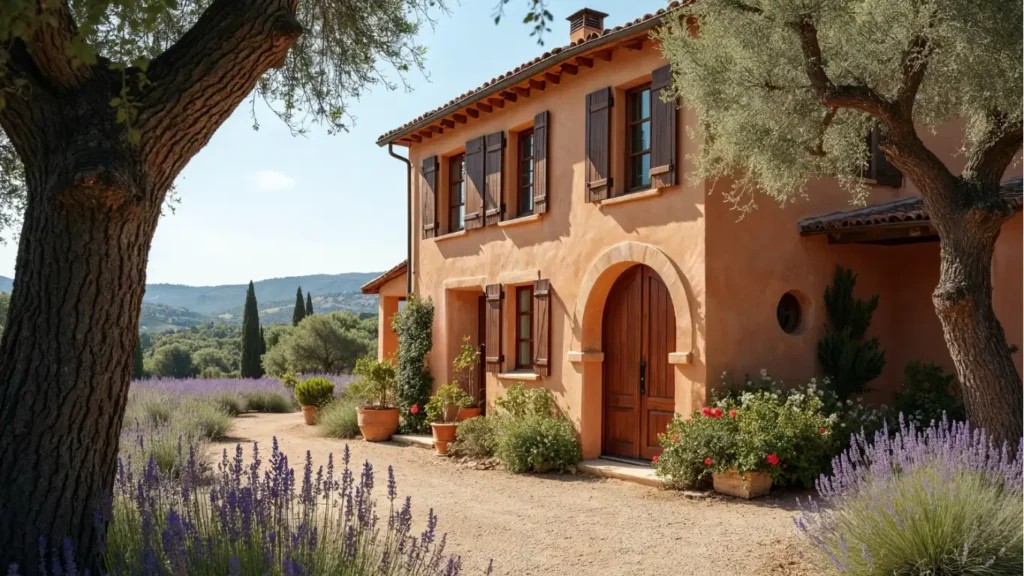
Roof designs became one of the most recognizable features of these homes. Many houses included low-pitched roofs covered with clay or clay-style tiles that reinforced the Mediterranean influence. Large rooflines also helped create a grand exterior presence from the street.
Arched windows and curved entryways appeared throughout the design. These rounded architectural shapes softened the appearance of large suburban homes and made them feel more custom-built. Decorative iron balconies, heavy wooden front doors, and tall columns also became common design choices.
Landscaping played an important role in completing the overall appearance. Builders often paired the homes with stone walkways, fountains, palm trees, trimmed hedges, and warm outdoor lighting. These features helped create a resort-style atmosphere that matched the luxurious feel of the architecture.
Interior Design of a 2000s Tuscan House
A tuscan house interior 2000s design uses warmth, texture, and rich finishes to create inviting spaces. Most interiors relied on earthy colors such as deep brown, gold, burnt orange, olive green, and warm beige. These tones created a cozy atmosphere throughout the home.
Large kitchens became the centerpiece of many Tuscan interiors. Builders often installed dark wood cabinetry, granite countertops, decorative backsplashes, and oversized islands for entertaining. Many kitchens opened directly into family rooms to support social gatherings and everyday family activities.
Flooring materials usually included travertine tile, ceramic tile, or dark hardwood. Designers preferred textured surfaces because they added depth and matched the rustic Mediterranean theme. Heavy wood furniture and wrought iron chandeliers also contributed to the dramatic appearance.
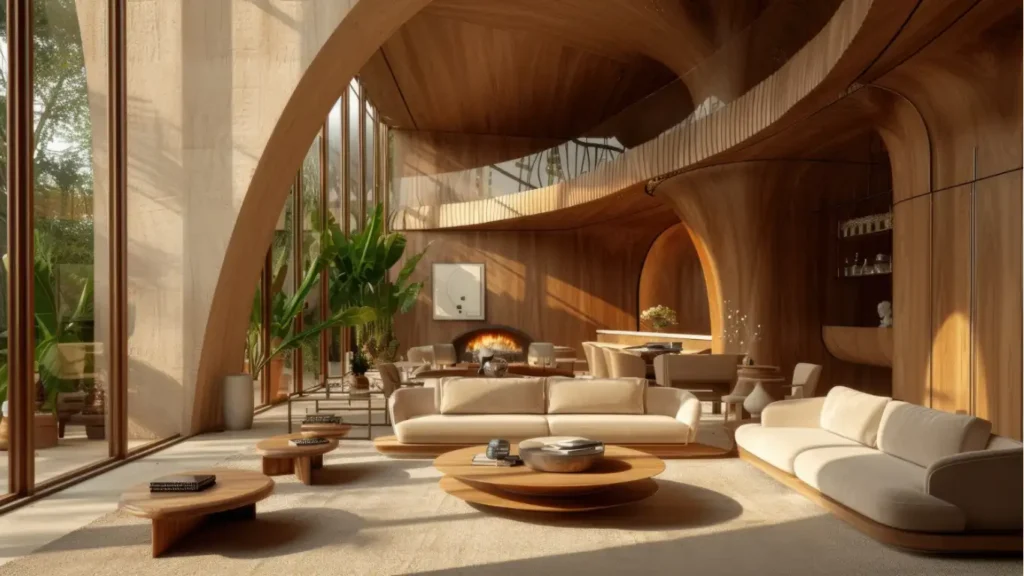
Ceilings often featured exposed beams, tray designs, or decorative molding. Combined with tall walls and oversized windows, these details created an upscale and spacious environment. Even though some finishes now appear traditional, the layouts themselves remain practical and highly functional.
Why 2000s Tuscan Houses Became Famous
The popularity of the 2000s Tuscan house came from its ability to combine luxury and comfort in one design. Buyers wanted homes that felt impressive while still supporting family life. Tuscan-style homes offered large living areas, beautiful finishes, and strong curb appeal.
Television home design trends strongly influenced buyer preferences during this period. Many design programs showcased Mediterranean-inspired interiors filled with warm tones, decorative details, and oversized kitchens. This exposure increased demand for Tuscan-style architecture across suburban housing markets.
Builders also found the style profitable because it worked well with large-scale residential developments. The exterior materials and dramatic features made homes appear more expensive and luxurious. Buyers associated the design with status, comfort, and upscale living.
Another reason for the style’s success involved emotional appeal. These homes created a warm environment that encouraged entertaining and family gatherings. The welcoming atmosphere made the style attractive to homeowners who wanted both elegance and comfort.
Size and Space Planning
Most 2000s Tuscan houses feature generous floor plans designed for larger households. Many homes range from medium-sized layouts to expansive luxury properties with multiple bedrooms, formal dining spaces, home offices, and entertainment rooms. Open floor planning became one of the defining features of the design.
The entryway often serves as a dramatic introduction to the home. Builders commonly designed tall foyers with curved staircases, oversized chandeliers, and direct sightlines into the main living areas. This approach created a strong first impression while enhancing the feeling of space.
Family rooms and kitchens usually connect seamlessly to encourage interaction. Large islands, breakfast areas, and open seating arrangements support both everyday living and social events. This layout still works well for modern lifestyles because it promotes functionality and convenience.
Many homes also include additional storage areas, walk-in closets, and large garages. These practical features helped families manage daily organization without sacrificing style. The spacious design remains one of the strongest advantages of owning a tuscan 2000s house today.
Capacity and Storage Layout
Storage planning in a 2000s Tuscan house focuses on both functionality and visual balance. Designers wanted homes to feel luxurious without appearing cluttered, so they incorporated hidden storage and oversized cabinetry throughout the layout.
Kitchen storage became especially important because the kitchen often served as the center of the home. Large pantry spaces, deep wood cabinets, and extended counter areas provided plenty of room for cooking equipment and household supplies. Many kitchens also included decorative cabinet designs that blended storage with visual appeal.
Primary bedrooms often feature spacious walk-in closets with built-in shelving systems. Bathrooms commonly include large vanity cabinets and linen storage areas to improve organization. These features helped homeowners maintain a clean and upscale appearance throughout the house.
Garages, laundry rooms, and mudroom-style entry areas also supported everyday storage needs. The combination of decorative design and practical organization helped make these homes highly livable for growing families.
Materials and Finishes Used
The materials used in a 2000s Tuscan house play a major role in defining its character. Builders preferred natural-looking finishes that created warmth and texture rather than sleek modern surfaces. Stone, wood, tile, and wrought iron appeared frequently throughout both interiors and exteriors.
Travertine tile became one of the most recognizable materials in Tuscan-style interiors. Homeowners used it for floors, backsplashes, bathrooms, and fireplaces because it added rustic elegance. Textured stone walls and decorative mosaics also helped strengthen the Mediterranean appearance.
Dark wood cabinetry and furniture dominated many interiors. Cherry, walnut, and espresso finishes created visual richness and contrast against warm-colored walls. Decorative wood ceiling beams added even more architectural depth to larger living spaces.
Iron fixtures and bronze hardware completed the design style. Chandeliers, stair railings, cabinet handles, and lighting fixtures often used dark metal finishes to create a handcrafted appearance. These materials helped the homes feel timeless and substantial.
Features of Tuscan House Interior 2000s Style
A tuscan house interior 2000s style focuses on creating a layered and welcoming atmosphere. One defining feature involves the use of warm lighting throughout the home. Large chandeliers, wall sconces, and pendant fixtures helped create soft illumination instead of harsh brightness.
Architectural details also separate Tuscan interiors from simpler suburban styles. Arched hallways, decorative columns, textured walls, and custom molding add visual movement throughout the space. These details make even large homes feel more personal and inviting.
Fireplaces often serve as central focal points in living rooms and family areas. Builders frequently surrounded fireplaces with stone or decorative tile to reinforce the rustic Mediterranean theme. Large mantels and built-in shelving completed the design.
Another defining feature involves layered textures. Designers mixed wood, stone, iron, and textured fabrics to avoid flat or sterile spaces. This combination created interiors that felt rich, comfortable, and visually balanced.
Key Differences Between Classic and Modernized Tuscan Homes
Classic Tuscan homes from the early 2000s usually feature darker interiors and heavily decorative finishes. Deep wall colors, ornate fixtures, and large amounts of textured material define the original look. Many homeowners now prefer lighter and more simplified versions of the style.
Modernized Tuscan homes keep the architectural structure while updating the finishes. Renovations often include lighter paint colors, brighter kitchens, and cleaner furniture designs. Homeowners still preserve arches, stone accents, and warm materials because those features give the house its identity.
Kitchen updates represent one of the biggest differences between classic and modern versions. Original homes commonly used dark cabinets and heavy granite countertops, while updated designs introduce softer tones and brighter surfaces. The overall layout usually remains unchanged because the open-concept structure still works well.
Lighting and décor also evolve in modern renovations. Many homeowners replace oversized traditional fixtures with simpler designs that maintain warmth without feeling overly ornate. This balance allows the home to feel current while respecting its Tuscan roots.
Maintenance and Cleaning Tips for a 2000s Tuscan House
Maintaining a 2000s Tuscan house requires regular attention to textured materials and decorative finishes. Stone surfaces, tile flooring, and wood cabinetry need consistent cleaning to preserve their appearance. Homeowners should avoid harsh chemicals that may damage natural materials.
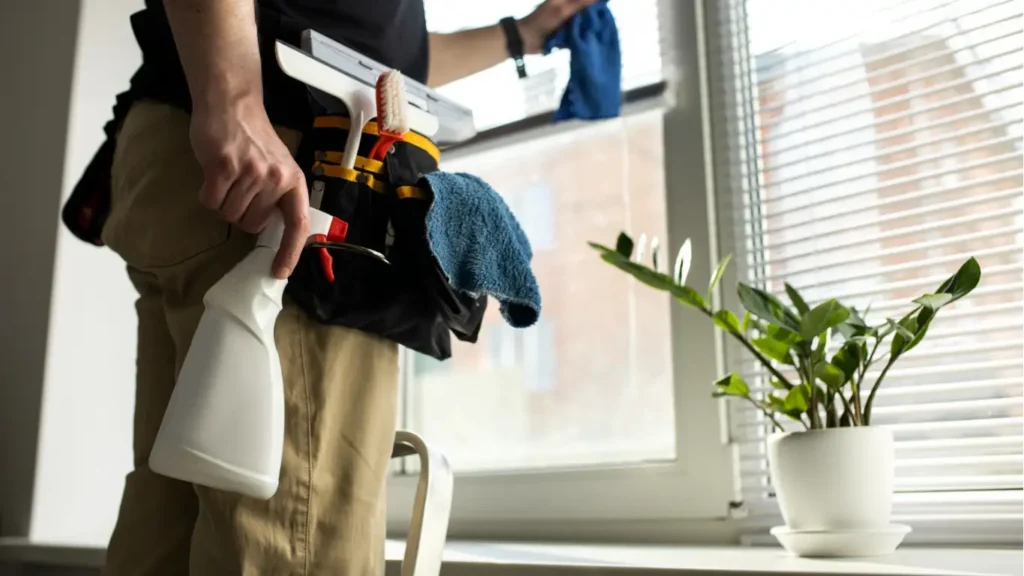
Stucco exteriors require periodic inspections to identify cracks or moisture-related damage. Cleaning the exterior with gentle washing methods helps maintain the warm color tones and textured finish. Roof tiles also benefit from regular inspections to prevent leaks and weather-related wear.
Interior maintenance often focuses on protecting wood finishes and grout lines. Dust can collect easily on decorative moldings, beams, and iron fixtures, so routine cleaning helps preserve the home’s upscale appearance. Proper ventilation also reduces moisture buildup in kitchens and bathrooms.
Lighting updates and minor cosmetic improvements can refresh older interiors without requiring major renovations. Replacing outdated fixtures, repainting walls, and improving natural lighting often make the home feel significantly newer while maintaining its original character.
Modern Design Tips
Many homeowners update a tuscan 2000s house by simplifying the color palette while preserving the architecture. Soft neutral wall colors help brighten interiors and create a cleaner appearance without removing the warmth that defines the style.
Kitchen renovations often focus on balance rather than complete replacement. Homeowners may repaint cabinets, upgrade lighting, or install more modern hardware while keeping the existing layout intact. These smaller updates can dramatically improve the appearance without losing the Tuscan identity.
Furniture and décor choices also influence how modern the space feels. Lighter fabrics, cleaner furniture shapes, and reduced visual clutter create a more current environment. At the same time, stone fireplaces, arches, and wood details continue to provide character.
Natural lighting plays an important role in modernizing these homes. Many renovations include larger windows, lighter curtains, and reflective surfaces that brighten darker interiors. These updates help make older Tuscan homes feel fresh and comfortable for contemporary living.
Famous Tuscan-Style Home Influence
Tuscan-style homes became especially common in suburban luxury developments throughout the United States during the early 2000s. Builders promoted these homes as upscale properties with resort-inspired living environments. Their popularity expanded quickly in warm-weather regions and growing suburban communities.
Large homes with Mediterranean architecture appeared in many planned residential developments. Buyers often preferred these properties because they combined visual elegance with spacious family-oriented layouts. The dramatic exteriors also helped neighborhoods appear more luxurious and cohesive.
Interior designers further increased the popularity of Tuscan-style living through magazines and television programming. Rich textures, oversized kitchens, and warm color palettes became highly desirable among homeowners seeking traditional luxury design.
Even after design trends shifted toward minimalism, many Tuscan homes remained valuable because of their size, structure, and functionality. Renovated versions continue to attract buyers who appreciate classic architecture combined with updated interiors.
Alternatives to a 2000s Tuscan House Style
Some homeowners prefer alternatives that retain warmth while reducing decorative intensity. Transitional design offers a softer version of traditional interiors by combining classic architecture with simpler finishes and lighter colors.
Mediterranean-inspired homes also provide a similar atmosphere with slightly cleaner lines and brighter interiors. These homes often maintain stucco exteriors and tile roofs while reducing the darker textures commonly found in original Tuscan designs.
Modern rustic interiors appeal to homeowners who enjoy natural materials but want a more relaxed appearance. Wood beams, stone details, and warm finishes remain present, but the overall design feels less formal and ornate.
Despite these alternatives, many homeowners still appreciate the original Tuscan 2000s house because it creates a comfortable environment filled with warmth, texture, and strong architectural identity.
Tips for Making a 2000s Tuscan House More Functional
Improving functionality in a 2000s Tuscan house often starts with better lighting and space organization. Many older interiors feel darker because of heavy paint colors and oversized furniture. Lighter finishes and improved lighting instantly make spaces feel larger and more usable.
Storage upgrades can also improve daily living. Adding built-in organizers inside closets, kitchen cabinets, and pantry spaces helps modern families use the large floor plans more efficiently. These changes improve convenience without changing the architectural style.
Furniture arrangement matters in oversized rooms. Creating smaller seating areas within large open spaces helps rooms feel more comfortable and practical. Area rugs, layered lighting, and balanced furniture placement improve flow throughout the home.
Technology integration also modernizes the living experience. Updated appliances, smart lighting, and energy-efficient systems help older Tuscan homes perform better while preserving their original charm and visual identity.
FAQs
Why were 2000s Tuscan houses so popular?
They became popular because they combined luxury, warmth, and spacious family layouts. Buyers loved the dramatic architecture, large kitchens, and upscale finishes.
What colors are common in a tuscan house interior 2000s style?
Warm earthy tones such as beige, brown, terracotta, gold, and olive green commonly appear in Tuscan interiors.
Are 2000s Tuscan houses outdated?
Some finishes may appear dated, but the architectural structure and spacious layouts still work very well for modern living. Many homeowners update the interiors while keeping the Tuscan design elements.
What materials define a tuscan 2000s house?
Common materials include stucco, stone, travertine tile, dark wood, wrought iron, and clay-style roof tiles.
How can I modernize a 2000s Tuscan house?
You can modernize the home by using lighter paint colors, updated lighting, cleaner furniture designs, and brighter kitchen finishes while preserving arches and natural materials.
Are Tuscan-style homes good for large families?
Yes. Most homes feature open layouts, large kitchens, multiple bedrooms, and generous storage spaces that support family living very effectively.